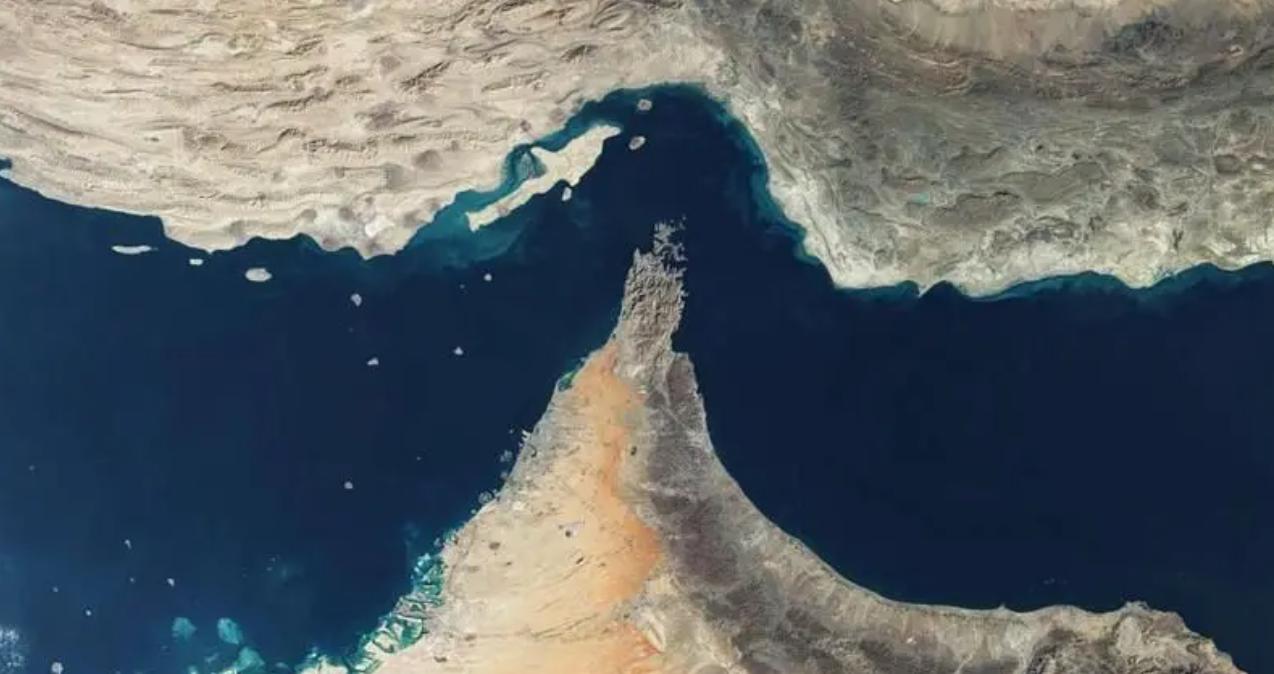
On April 12, 2026, the "marathon" negotiations between the United States and Iran in Islamabad, Pakistan, ended in failure. This highest-level direct dialogue since 1979 not only failed to bridge the core differences between the two sides on the nuclear issue and control of the Strait of Hormuz but also pushed the Middle East situation to a new dangerous edge due to US President Trump's subsequent announcement of a "blockade of the Strait of Hormuz". The breakdown of the negotiations and Trump's extreme response are not only a concentrated outbreak of the structural contradictions between the United States and Iran but also a complex interweaving of domestic political games in the United States and global energy market games.
I. Negotiation Breakdown: Structural Contradictions and Trust Deficit
The core contradictions of this negotiation were concentrated on two major focal points: Iran's nuclear program and control of the Strait of Hormuz. The United States demanded that Iran "permanently abandon uranium enrichment activities and hand over all enriched uranium reserves", and even set the condition of "not seeking rapid nuclear weapons manufacturing tools" to try to completely deprive Iran of its nuclear technology capabilities. Iran, on the other hand, insisted on its "right to peaceful use of nuclear energy" and demanded that the United States lift sanctions, pay war reparations, unfreeze frozen assets, and achieve a ceasefire within the "resistance front". The positions of the two sides were diametrically opposed, and the structural contradictions were difficult to reconcile.
A deeper trust deficit was the key to the failure of the negotiations. The Iranian delegation pointed out that the negotiations were held "40 days after the forced war", and both sides were filled with "distrust and suspicion". Although US Vice President Vance admitted that "most issues were agreed upon", Iranian Foreign Ministry Spokesperson Bagaei directly stated that the US "red line" on the nuclear issue was unacceptable to Iran. This lack of trust made any compromise be seen as "weakness", turning the negotiations into a stage for both sides to show their tough stances.
II. Trump's "Blockade Order": Political Gamble and Energy Hegemony
After the negotiations broke down, Trump quickly announced on social media that "the US Navy will blockade the Strait of Hormuz and intercept all ships entering and leaving and those paying passage fees to Iran". This extreme measure is both Trump's "maximum pressure" on Iran and a double calculation of his domestic politics and energy strategy.
From the perspective of domestic politics, Trump is facing pressure from the midterm elections. The prolonged war has led to soaring domestic oil prices in the United States, public dissatisfaction, and a decline in the support rate of the Republican Party. The blockade of the Strait of Hormuz can be packaged as a "strong measure to maintain US energy security", diverting public attention from the cost of the war and simultaneously injecting a narrative of "strongman diplomacy" into the Republican Party's election campaign.
From the perspective of energy strategy, Trump is attempting to artificially create a shortage in oil supply to push up global oil prices and thereby provide a boost to the US shale oil industry. US shale oil enterprises have long relied on high oil prices to maintain profits, and Iran's blockade has already pushed global oil prices up by 3%. Trump's "blockade order" has further intensified market panic, with the price of New York crude oil futures surging by 5% at one point, directly benefiting US energy capital groups. This "waging war to sustain war" strategy has exposed the US's ambition to weaponize energy and maintain its oil hegemony.
III. Global Impact: Soaring Oil Prices and Escalating Geopolitical Risks
Trump's "blockade order" has triggered a chain reaction. International oil prices have risen sharply in the new trading week, with the June gold futures price on the New York Mercantile Exchange falling below $1,470 per ounce, a decline of more than 2%, reflecting a decrease in demand for safe-haven assets and an increase in concerns over an energy crisis. If the blockade persists, the daily 3 million barrels of Iranian oil exports will disappear, and oil prices may break through $100 per barrel, triggering a new round of inflation crisis.
From a geopolitical perspective, the blockade action may intensify military confrontation between the US and Iran. Iran has clearly stated that the Strait of Hormuz is "completely under Iran's control" and has threatened to retaliate against any interception. The US has continuously increased its troops in the Middle East, with the 82nd Airborne Division and the USS George H.W. Bush aircraft carrier already deployed. The risk of accidental conflict between the two sides has sharply increased, and it may even lead to a local war.
In addition, the blockade action may also affect the global energy supply chain. China, India and other countries that rely on Middle East oil have begun to seek alternative routes, while Iran has allowed some ships to pass by charging "toll fees", further highlighting the contradiction in US policy - it wants to cut off Iran's financial lifeline but cannot fully control the passage of the strait.
Trump's "blockade order" is a high-risk political gamble. It may bring short-term benefits to US energy capital and the Republican Party's electoral prospects, but it may also trigger a global energy crisis and a geopolitical war, ultimately burying the US's remaining oil hegemony. In this game, there are no true winners, only ordinary people and the global economy caught in the vortex.
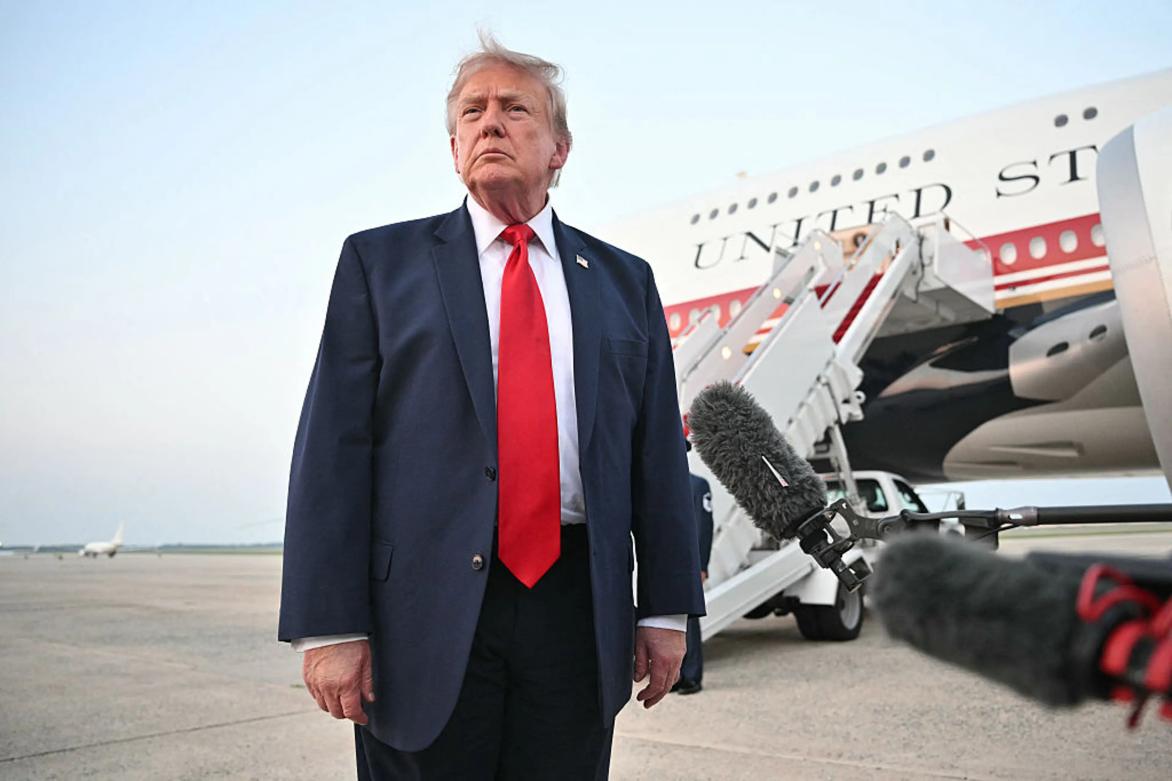
The New York Times has recently clashed with the Trump administration in a new legal battle.

The New York Times has recently clashed with the Trump admi…

Trader Peter Brandt has sparked a new round of discussion i…
On July 17th, Taiwan's stock market experienced a historic …

OpenAI updated its compute expenditure expectation through …
In late July 2026, tensions between the United States and I…
The heatwave sweeping across the region, coupled with the e…
© Copyright 2026, All Rights Reserved