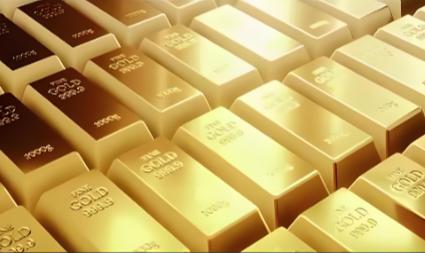
Since 2026, the international gold and silver markets have experienced a "rollercoaster" ride. After reaching historical highs at the end of January, prices continued to fall sharply, with spot gold falling by over 20% and silver by nearly 40%, setting a record for extreme volatility in nearly 40 years. As traditional safe-haven assets and one of the anchors for financial market pricing, the sustained decline in gold and silver prices is not simply a market adjustment, but rather a rapid transmission to all aspects of the global financial system, triggering a chain reaction of liquidity, asset allocation, and policy expectations.
The precious metals market itself bore the brunt of the impact, with high-leverage liquidations triggering a liquidity crunch. The silver futures market generally operates with 50x leverage, meaning a 2% price fluctuation can trigger margin calls. The continuous sharp decline in gold and silver prices led to a vicious cycle of "longs killing longs." Within 24 hours, over 150,000 people were liquidated in the global precious metals futures market, with a total liquidation amount of $870 million. On January 31st alone, 42,000 gold contracts were forcibly liquidated. To prevent risks, domestic and international exchanges such as CME and the Shanghai Futures Exchange successively raised margin requirements, further tightening market liquidity, but also exacerbating short-term selling pressure, resulting in a short-term shrinkage of over $3 trillion in the market value of gold and silver.
Cross-market transmission effects were prominent, intensifying global asset volatility. The shockwaves of the gold and silver decline quickly spread to stocks, cryptocurrencies, and other areas. The A-share precious metals sector plummeted by 8.89% in a single day, with several stocks hitting their daily limit down, and US cryptocurrency-related stocks also suffered heavy losses; cryptocurrencies such as Bitcoin and Ethereum fell by over 5% within 24 hours, with nearly 230,000 people experiencing liquidations. At the same time, funds withdrawn from the precious metals market shifted to assets such as US Treasury bonds, pushing up the yield on 10-year US Treasury bonds, and the US dollar index rebounded by 3% within 12 hours, forming a transmission chain of "stronger dollar—falling gold and silver—asset reallocation," reshaping the global asset pricing logic.
Institutional and individual investors suffered heavy losses, and asset allocation logic was restructured. Retail investors who chased the rally suffered heavy losses. The Huaxia CSI Shanghai-Shenzhen-Hong Kong Gold Industry Stock ETF saw a net inflow of 2.4 billion yuan in the two days before the crash, followed by a single-day net asset value drop of 9.8%, resulting in unrealized losses exceeding 230 million yuan. International institutions also adjusted their positions, with the world's largest gold ETF reducing its holdings by 11.2 tons in a single day. Institutions such as BlackRock and UBS significantly reduced their net long positions in gold and silver, while hedge funds preemptively established short positions to mitigate risk. This crash shattered the market narrative of "precious metals always rising," prompting investors to abandon purely emotion-driven trading and shift towards fundamental and policy analysis, moving from high-volatility speculation to sound asset allocation.
The reversal of monetary policy expectations was the core driver, also forcing dynamic adjustments at the policy level. Trump's nomination of a hawkish figure as Federal Reserve Chairman, coupled with signals from the Fed that it would not cut interest rates and might even raise them, completely undermined the logic of a gold and silver bull market supported by a loose monetary environment. As zero-interest assets, gold and silver became significantly less attractive under expectations of rising interest rates, and their continued decline reflected market concerns about global liquidity contraction. Central banks need to strike a balance between stabilizing inflation and stabilizing the market, addressing the market panic triggered by the fall in gold and silver prices while also maintaining the continuity of monetary policy. This volatility also poses higher demands on global financial regulation.
It should be noted that the long-term supporting factors for gold and silver have not disappeared. Global central banks are projected to net purchase 863 tons of gold in 2025, and the de-dollarization process is still underway. The safe-haven properties and reserve value of gold and silver remain fundamentally unchanged. This sharp decline is more of a concentrated correction after short-term policy expectation adjustments, leveraged selling, and technical overbuying, and is an inevitable process of market deleveraging.
In summary, the sustained sharp decline in international gold and silver prices not only disrupted the precious metals market itself but also profoundly affected global financial market stability and investor decision-making through cross-market transmission and capital reallocation. Facing this historical volatility, the market needs to rationally view short-term fluctuations, be wary of high leverage risks, and regulators should strengthen cross-market risk control to promote the healthy and orderly development of financial markets.
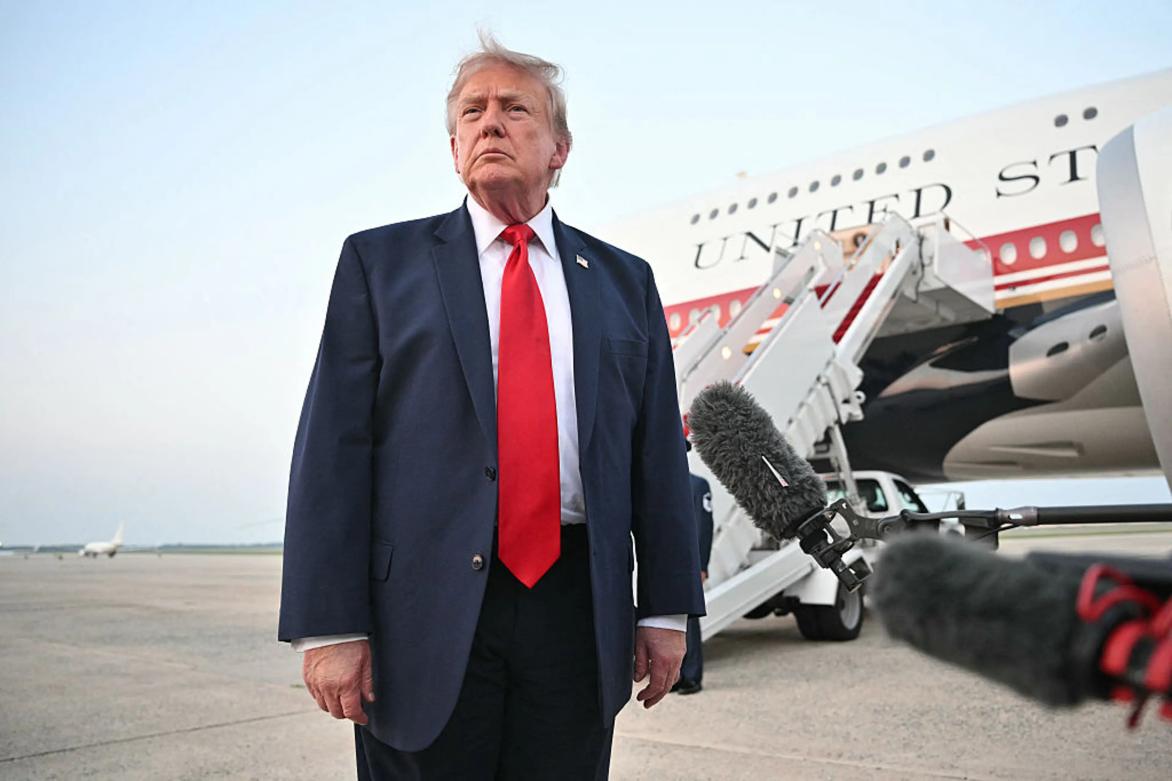
The New York Times has recently clashed with the Trump administration in a new legal battle.

The New York Times has recently clashed with the Trump admi…

Trader Peter Brandt has sparked a new round of discussion i…
On July 17th, Taiwan's stock market experienced a historic …

OpenAI updated its compute expenditure expectation through …
In late July 2026, tensions between the United States and I…

The heatwave sweeping across the region, coupled with the e…
© Copyright 2026, All Rights Reserved