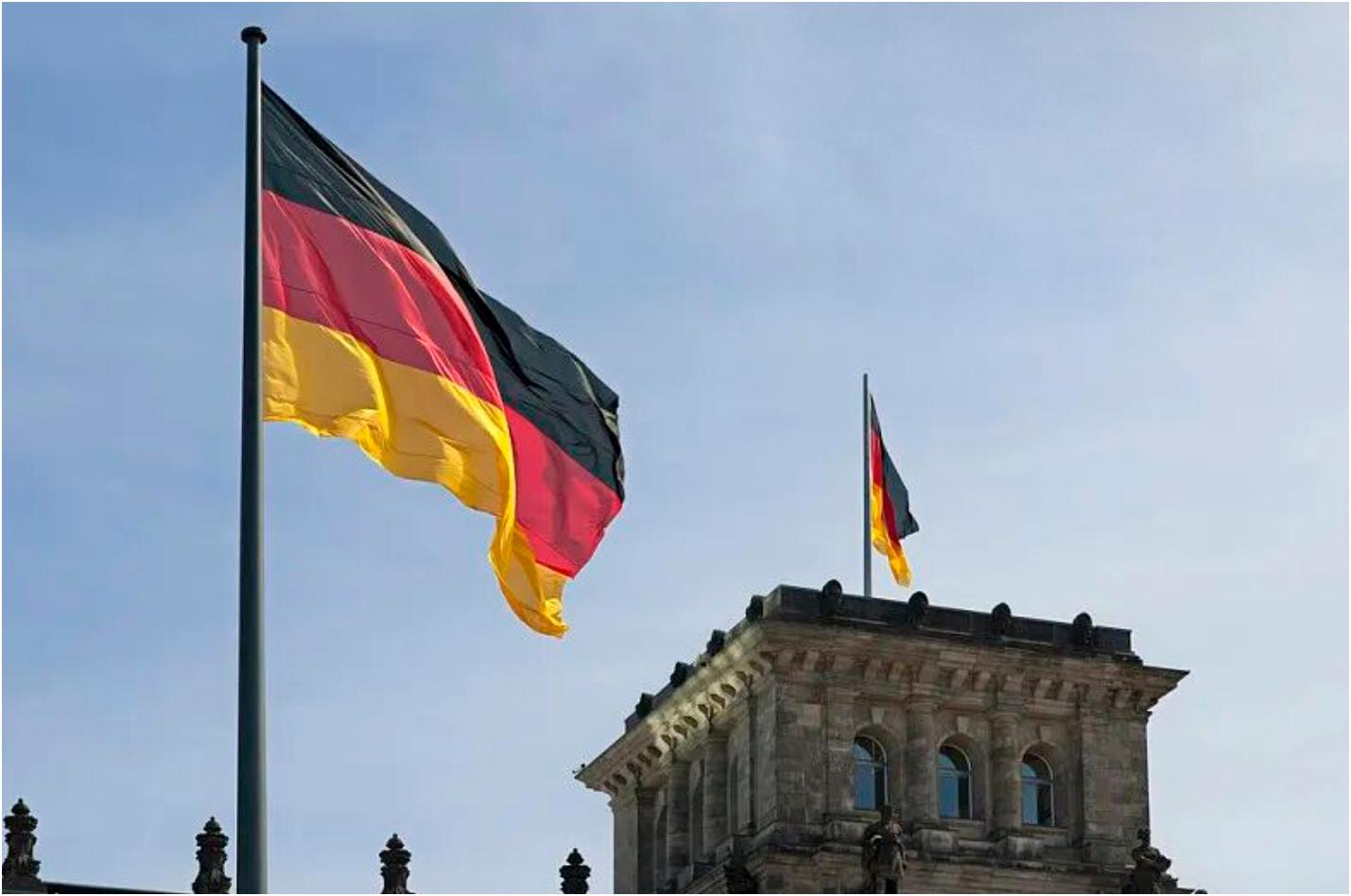
On May 7th, the German Economic Institute significantly lowered its 2026 economic growth forecast from 0.9% to slightly above 0.4%, and warned that the economy has "almost no buffer space left". After three years of recession and stagnation, the "American security, Chinese exports, Russian energy" triangular model that supported Germany's prosperity for decades has fallen apart. The protracted conflict between Russia and Ukraine has completely severed the energy ties between Germany and Russia, and the strategic differences between the US and Europe during the "Trump 2.0" era have continued to widen. The spillover effects of the Middle East conflicts have further exacerbated energy costs. Germany is under pressure in politics, economy, and security simultaneously.
The logic of economic relations between Germany and China is also changing. In 2025, Germany's exports to China decreased by 9.7%. Many strategists believe that Germany and China have entered an "industrial competition" period. The vulnerability of China's reliance on Germany has become more prominent, and a diversified layout of supply chains is urgently needed. Internally, Germany is also facing numerous difficulties: insufficient investment in key industries, persistently high labor costs, cumbersome administrative procedures, and the acceleration of population aging has weakened the potential growth rate. The sluggish digitalization process and the high costs of green transformation further squeeze the profit margins of enterprises. The German industry, which once dominated the world with its precision manufacturing and export orientation, is now facing the most severe competitiveness decline since the post-war era.
Facing these internal and external challenges, Germany has begun to re-examine the post-war economic soul of "order liberalism" - its core is that the government only maintains the order of competition and does not directly intervene in the economy. Now, as competition intensifies, "state guidance" and "selective industrial protection" are gaining legitimacy.
The government has revised the "debt brake" principle and established a 500 billion euro special fund for infrastructure and defense. This historic shift in response to the dual pressures of geopolitical security and economic competition reflects the transformation of the state's role from "watchman" to "strategic coordinator", and triggers a continuous tug-of-war between the state, the market, and the rules. However, if protection policies are clearly targeted at important external partners, they may lead to more economic and diplomatic uncertainties. How to strike a balance between protecting key industries and maintaining transatlantic and relations with China is testing Germany's strategic balance ability.
At the same time, Germany also faces the challenge of adapting to "standard rules" and "innovative systems". Politicians are worried about losing the right to set standards in areas such as AI, semiconductors, and digital rules, which would make the EU a vassal of major powers. The recent discussion by the Albert Foundation clearly states that by leveraging the EU's single market leverage, European values and labor standards can be transformed into market access prerequisites.
However, former Chancellor Scholz self-mockingly said, "It would take 20 years to build a single railway," directly pointing to the administrative rigidity and bureaucratic ills. Institutional innovation requires a bold move towards de-bureaucratization, which creates a natural tension with adhering to EU rules and standards: overly emphasizing standards may restrict technological innovation, while excessive deregulation may erode the foundation of the social market economy. How to find the smallest balance point between innovation and rules will be the next major challenge, which concerns whether Germany can reshape its industrial competitiveness and institutional confidence in the changing era.
German industry has reached a historical crossroads. Exploring new growth paths is imperative, but the transformation process will inevitably involve repeated tug-of-war between the state, the market, and rules. If we can use "de-bureaucratization" as a breakthrough point, seek a new balance of competition and cooperation in external partnerships, and increase investment in digital infrastructure and climate transformation industries, activating internal driving forces, it is still possible to open up a new path.
When rethinking "order liberalism", Germany must integrate national guidance while firmly establishing an open bottom line, preventing a slide towards excessive protectionism. Only by protecting in openness and innovating in rules can we break free from the quagmire of stagnant growth. Should we continue to indulge in the illusion of correct procedures and protective rules for safety, or regain the efficiency of manufacturing and an open mindset facing competition, the political and economic circles need to make a wise choice together.

The heatwave sweeping across the region, coupled with the escalating conflict between Russia and Ukraine in the Black Sea, has pushed agricultural and food product prices to a three-year high. The risk of food inflation triggered by the US-Iraq war has resurfaced.
The heatwave sweeping across the region, coupled with the e…
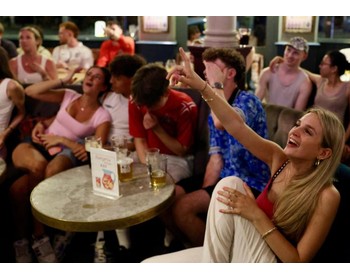
British Prime Minister Barnham announced that the business …

The global food monitoring agency said that due to a lack o…
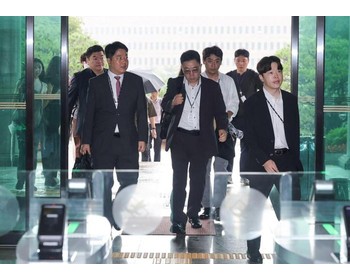
On Thursday, South Korean investigators raided the office o…
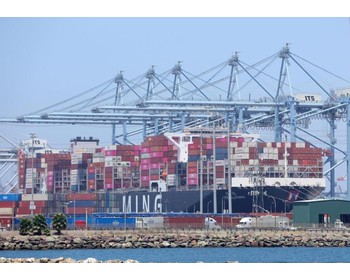
Starting from Friday (July 24th), the United States will im…
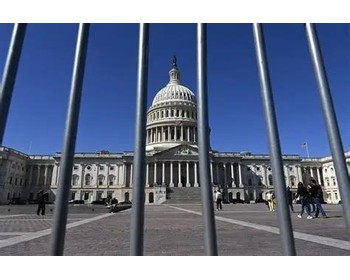
According to a report by The Wall Street Journal on July 22…
© Copyright 2026, All Rights Reserved