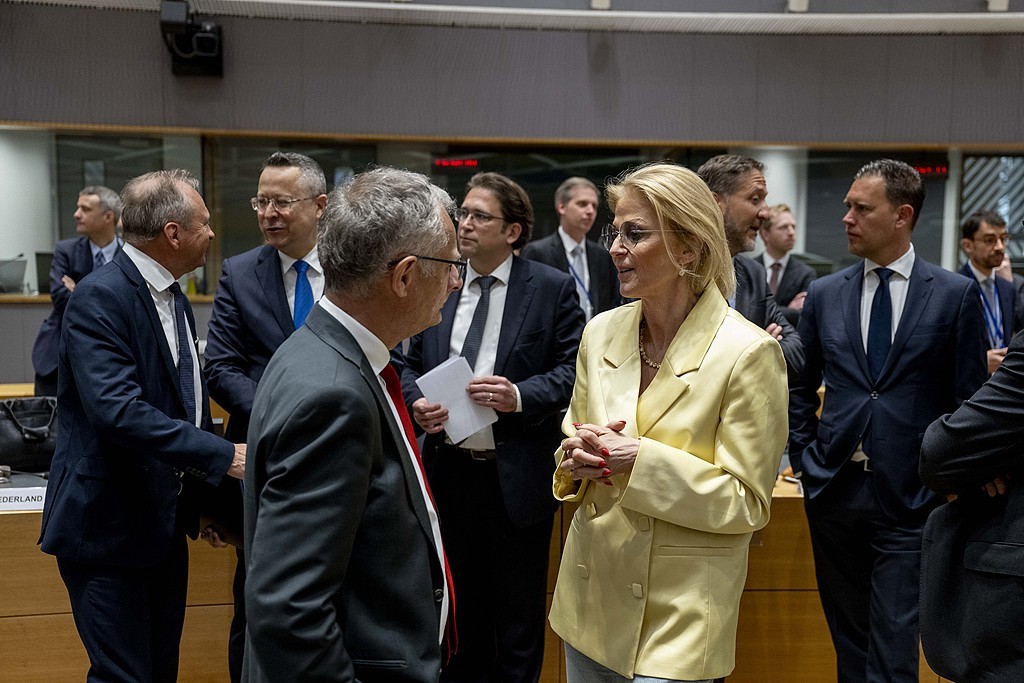
Recently, the EU-US trade relationship has once again plunged into a tense whirlpool. The US threat to raise tariffs on EU cars exported to the US to 25% is like a large stone thrown into a calm lake, stirring up layers of ripples and making the already uncertain future of the EU-US trade agreement even more enigmatic.
This is not the first time the US government has made tariff threats. Trump announced plans to increase the tariff on EU cars exported to the US from 15% to 25% and accused the EU of violating the trade agreement reached last year. However, it is the US government's repeated breaches of contract that are the root cause of the current predicament. This is already the fourth time it has violated the trade agreement reached in July 2025. The US government's capriciousness has severely undermined the trust foundation built between the two sides, making the advancement of the trade agreement extremely difficult.
In the face of US threats, the EU is no longer as easily submissive as it was a year ago. Instead, it has shown a tough stance. Relevant officials from the European Parliament directly described the US threats as "unacceptable" and called on the EU to demonstrate a firm position. Some senior officials from member states proposed using countermeasures such as the "anti-coercion instrument" when necessary. French President Macron stated that the EU should be prepared to activate the "anti-coercion instrument," which can be regarded as the EU's "trump card." It can adopt various countermeasures, including imposing tariffs on US goods, restricting the export of strategic materials, and excluding US companies from government procurement tenders. The Belgian think tank Bruegel also pointed out that if the US violates the agreement, it will provide a legitimate reason for the EU to resume implementing the countermeasures previously taken in response to the US government's tariff increases. These measures cover imposing tariffs of 10% to 30% on US goods worth 95 billion euros exported to the EU.
According to an analysis by Germany's Der Spiegel magazine, the EU currently has four response plans. Suspending the agreement is one of the options, with the European Parliament's plenary session expected to hold a final vote in June. Countermeasures under the anti-coercion instrument are also under discussion. Although countries like Germany are cautious about this, Brussels is re-examining this most severe countermeasure. Imposing taxes on the digital services of US companies and retaliatory tariffs are also under consideration. The European Commission has prepared a list of US imported goods covering a wide range of items from bourbon whiskey and soybeans to aircraft parts. However, retaliatory tariffs may further escalate the conflict.
In addition to taking a tough stance on countermeasures, the EU has also actively made demands on the US. On May 5, the EU Commissioner in charge of trade and economic security held talks with the US Trade Representative in Paris, urging the US to promptly restore the tariff clauses agreed upon in last year's trade agreement. Members of the European Parliament hope to attach a series of conditions to the agreement, believing that the US government has already factually violated the agreement through various actions.
Whether the EU-US trade agreement can ultimately be implemented has become the focus of attention from multiple parties. Judging from the current situation, the US's breaches of contract and tariff threats have posed huge obstacles to the advancement of the agreement, and the EU's tough response has further strained bilateral relations. The conclusion of a trade agreement requires the joint efforts of both sides, adherence to commitments, and mutual respect. If the US government continues to act unilaterally and adopt trade protectionist measures, it will not only harm the interests of the EU but also have negative impacts on the US economy and its enterprises. At the same time, while safeguarding its own interests, the EU also needs to weigh the pros and cons of various response plans, avoid further escalation of trade conflicts, and seek ways to resolve differences through dialogue and consultation.

The heatwave sweeping across the region, coupled with the escalating conflict between Russia and Ukraine in the Black Sea, has pushed agricultural and food product prices to a three-year high. The risk of food inflation triggered by the US-Iraq war has resurfaced.

The heatwave sweeping across the region, coupled with the e…

British Prime Minister Barnham announced that the business …

The global food monitoring agency said that due to a lack o…
On Thursday, South Korean investigators raided the office o…
Starting from Friday (July 24th), the United States will im…
According to a report by The Wall Street Journal on July 22…
© Copyright 2026, All Rights Reserved