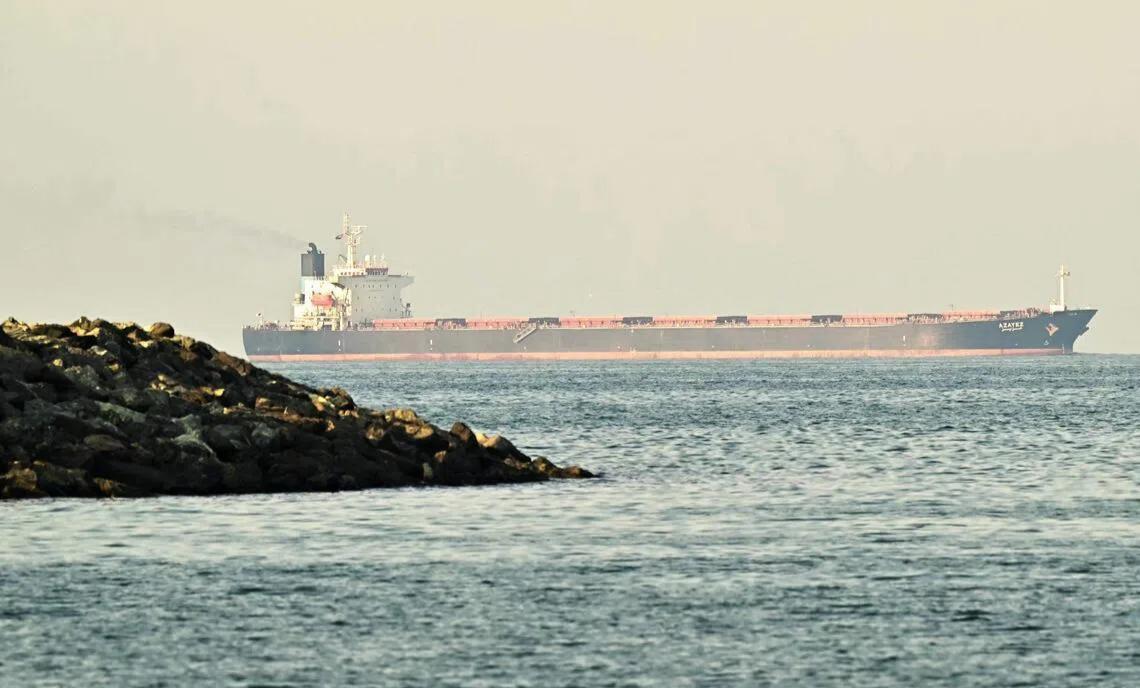
Recently, the tense situation between the United States and Iran over maritime blockades has escalated once again, drawing widespread attention and concern from the international community. Under the instruction of President Trump, the United States has imposed a maritime blockade on Iran, while Iran has responded strongly, denouncing it as an act of piracy. With both sides at daggers drawn, the already fragile regional peace is hanging by a thread.
The motives behind the United States' maritime blockade are crystal clear. Analysts point out that Trump aims to cut off Iran's export revenue, especially by pressuring major customers of Iranian oil to force Iran to lift the blockade of the Strait of Hormuz. In an interview, Trump even confidently stated that he believed Iran would "give us everything we want." However, this hegemonic act severely ignores Iran's sovereignty and interests, driving Iran into a corner while also sowing the seeds of conflict for itself. The US Central Command announced a blockade of all maritime traffic to and from Iranian ports, regardless of nationality. This move is undoubtedly a brutal interference in the international shipping order and a flagrant violation of international law.
Faced with the US blockade, Iran has demonstrated a firm determination to resist. A spokesperson for the Central Headquarters of the Iranian Armed Forces' Khatam al-Anbiya Air Defense Base bluntly stated that the US restrictions on the navigation of vessels in international waters are criminal acts and acts of piracy, and warned that the security of ports in the Persian Gulf and the Gulf of Oman either belongs to everyone or to no one. The Iranian military also made it clear that enemy vessels now and in the future have no right to pass through the Strait of Hormuz, while other vessels can continue to pass through but must comply with the regulations set by the Iranian armed forces. Iran's strong response is a powerful counterattack against US hegemony, highlighting its firm stance on safeguarding national sovereignty and regional security.
The tense situation between the United States and Iran has triggered widespread concerns in the international community. All parties are generally worried that this fragile ceasefire agreement may break down as a result, leading to a further escalation of the conflict. European Commission President von der Leyen emphasized the crucial importance of restoring freedom of navigation in the Strait of Hormuz. Foreign ministers of ASEAN member states also called for the restoration of safe, unimpeded, and continuous passage of vessels and aircraft through the strait and urged the United States and Iran to continue negotiations. British Prime Minister Starmer clearly stated that the United Kingdom does not support the US blockade action, stressing that the top priority is to fully open the Strait of Hormuz and that the United Kingdom will continue to work towards this goal. The statements of these countries reflect the international community's desire for peaceful resolution of disputes and its sense of responsibility for maintaining regional stability and security.
However, some countries have played a less honorable role in this incident. Israeli Prime Minister Netanyahu supports the maritime blockade of Iranian ports and warns that the ceasefire agreement may break down at any time. His stance undoubtedly adds fuel to the fire and exacerbates the tense situation in the region.
In the long run, the United States' maritime blockade of Iran is not only unlikely to achieve its strategic goals but may also land it in a difficult situation. A former US Pentagon official, Struel, now working at the Washington Institute for Near East Policy, pointed out that Trump's move is aimed at quickly ending the war, but the reality is that this task is difficult to accomplish single-handedly and is also unsustainable in the medium to long term. International Maritime Organization Secretary-General Domingos also clearly stated that according to international law, no country has the right to prohibit freedom of navigation in international straits used for international transportation. The US actions are untenable both morally and legally and are bound to face opposition and resistance from the international community.
The US-Iran maritime blockade turmoil has once again sounded an alarm for the international community. In today's world of deepening globalization, no country's unilateralism and hegemonic acts can succeed. Only by adhering to multilateralism, respecting international law and the basic norms of international relations, and resolving disputes through dialogue and cooperation can regional peace and stability be achieved and a favorable environment for human development be created. It is hoped that the United States and Iran can exercise restraint, return to the negotiating table, and work together for peace, allowing the Strait of Hormuz to once again become a channel of peace and prosperity.
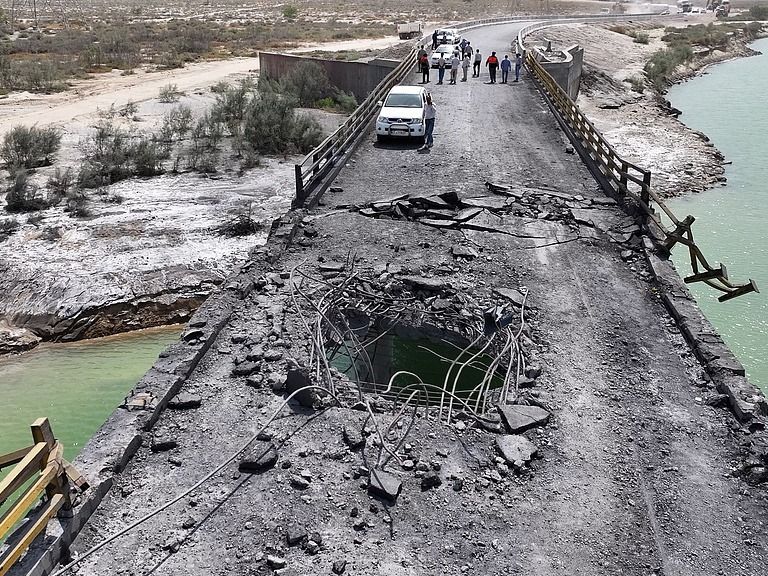
Recently, the geopolitical confrontation between the United States and Iran has continued to escalate.

Recently, the geopolitical confrontation between the United…

The New York Times has recently clashed with the Trump admi…

Trader Peter Brandt has sparked a new round of discussion i…

On July 17th, Taiwan's stock market experienced a historic …

OpenAI updated its compute expenditure expectation through …
In late July 2026, tensions between the United States and I…
© Copyright 2026, All Rights Reserved