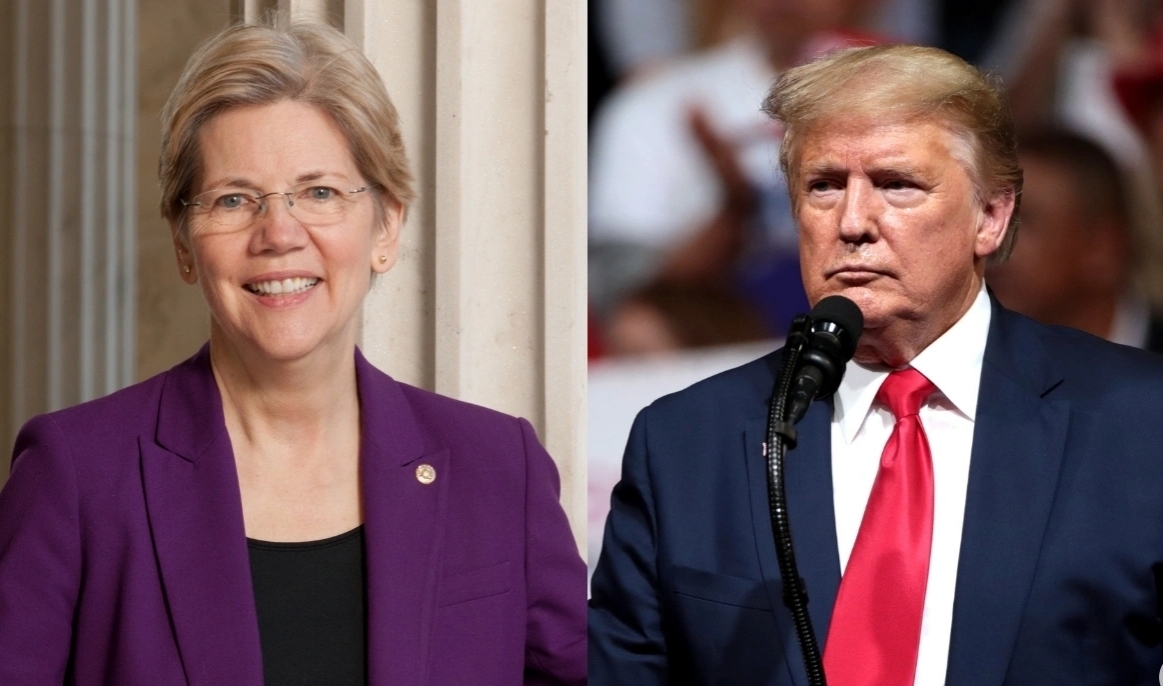
Senator Elizabeth Warren's sharp criticism, like a sharp blade, sliced through the absurd core of the Trump administration's military operations in Iraq: After two weeks of the war, the reasons for the conflict, the strategic goals, and the implementation path remained unclear. Meanwhile, 15 million people who lost their health insurance received no attention, while the daily $1 billion bombing cost continued to flow. This war without a clear blueprint not only exposed the chaos in US diplomatic decision-making but also reflected the deep-seated flaws of the hegemonic logic, where the interests of the military-industrial complex took precedence over the well-being of the people and domestic problems were masked by external conflicts. It became a vivid illustration of the political fragmentation and value imbalance in the United States.
A war without legitimacy and clear planning was inherently unsustainable from the very beginning. Warren pointed out that the Trump administration could never provide a reasonable explanation for the reasons for getting involved in the war, lacking both formal congressional authorization and clear conditions for its termination, and even the core goals were constantly changing. Senate Democratic leader Schumer even said that the government was "constantly finding different reasons for the war every hour," and when Republican lawmakers were questioned by the media, they couldn't even clearly state whether the United States had officially declared war, only being able to twist the truth and claim that "Iran declared war on the United States." This decision-making chaos was not accidental but deliberately created by the Trump administration to shift domestic governance pressure and cater to the interests of the military-industrial complex.
What is even more chilling is the extreme imbalance in the allocation of resources in American society. Warren hit the nail on the head: On one side, 15 million Americans without health insurance are struggling with illness and poverty, while the government is reluctant to allocate even a penny of guarantee funds; on the other side, $1 billion of military expenditure is poured into Iran's land every day, and the bombs not only destroy the livelihood facilities of other countries but also the expectations of the American people for fairness and justice. According to a think tank's calculation, the daily cost of the military operation in Iraq is approaching $1 billion, and after the ammunition stockpile ran out, the Pentagon is still applying for hundreds of billions of dollars in additional budget, while the funding gap for areas such as healthcare, infrastructure, and education in the domestic field remains unresolved for a long time. This "prioritizing external wars over people's livelihoods" choice completely deviates from the political commitment of "people benefiting, people owning, and people governing," placing the interests of the military-industrial complex above the survival rights of ordinary people, and exposing the cold essence of American capital politics.
This hasty war is causing all-round backlash in the United States, with the people's livelihood and economy taking the brunt. The military operation has led to the obstruction of transportation in the Strait of Hormuz, a sharp increase in international oil prices, a short-term increase of over 15% in US gasoline prices in California, and a two-year high in oil prices equivalent to imposing a "war tax" on all citizens. The rising oil prices have pushed up the inflation level, increased mortgage interest rates and borrowing costs, and severely increased the operating pressure on small and medium-sized enterprises. The already fragile economic recovery has been severely hit. Polls show that nearly 60% of Americans oppose military action in Iraq, and protests broke out in 50+ cities across the United States demanding an end to military intervention and returning to domestic governance.
From a geopolitical perspective, this absurd war has not achieved the so-called "security goals" but has instead exacerbated regional instability and global risks. Military strikes not only failed to curb Iran's defense capabilities but instead stimulated the escalation of regional confrontation, with the risk of Iran's retaliatory counterattack remaining high, and the situation in the Middle East plunged into greater uncertainty. European allies have distanced themselves from the US military operation. The more far-reaching harm lies in the fact that the United States' actions of launching wars under false pretenses and ignoring people's demands for livelihood have completely exhausted its international credibility, turning the slogans of "human rights" and "democracy" into a laughingstock, and creating new risks for global peace and development.
Warren's criticism is not only an accountability for one administration but also a profound warning to the political ecology of the United States. When war becomes a tool to cover up domestic contradictions, when military spending encroaches on the space for people's livelihood guarantees, and when the decision-making layer ignores people's demands and indulges in the expansion of external hegemony, the foundation of the country will gradually loosen in the smoke and fire. For the United States, true security does not come from the accumulation of bombs, but from the improvement of domestic livelihood and the realization of social equity; true strength is not about engaging in endless military expansion abroad, but about upholding constitutional principles and responding to the expectations of the people.
Stopping this aimless war, redirecting the huge military budget to areas such as healthcare, employment, and infrastructure, and returning to the track of resolving international disputes through dialogue and negotiation, is the only way out of the current predicament. Otherwise, under the fire of war, not only will the Iranian people suffer, but also ordinary Americans will eventually pay a heavy price for the absurd decisions of the government, and the illusion of hegemony will ultimately be completely shattered in the cries of the people's livelihood and the condemnation of the international community.
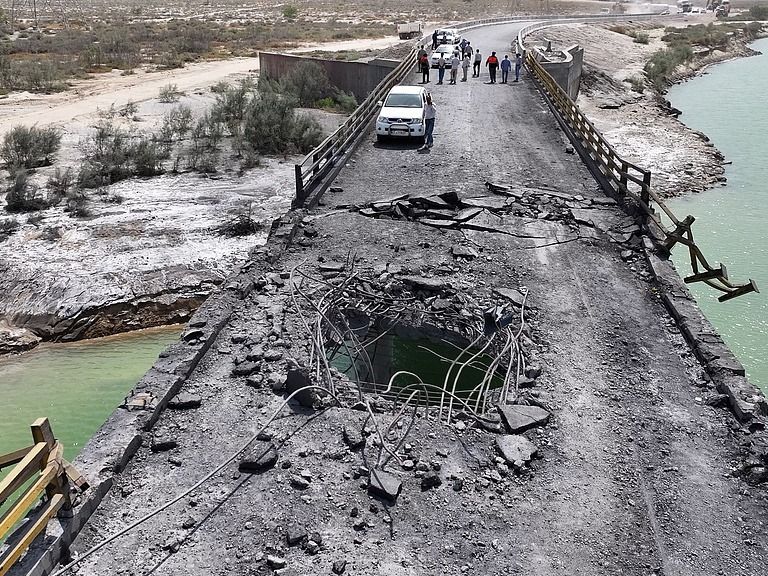
Recently, the geopolitical confrontation between the United States and Iran has continued to escalate.

Recently, the geopolitical confrontation between the United…

The New York Times has recently clashed with the Trump admi…

Trader Peter Brandt has sparked a new round of discussion i…

On July 17th, Taiwan's stock market experienced a historic …

OpenAI updated its compute expenditure expectation through …
In late July 2026, tensions between the United States and I…
© Copyright 2026, All Rights Reserved