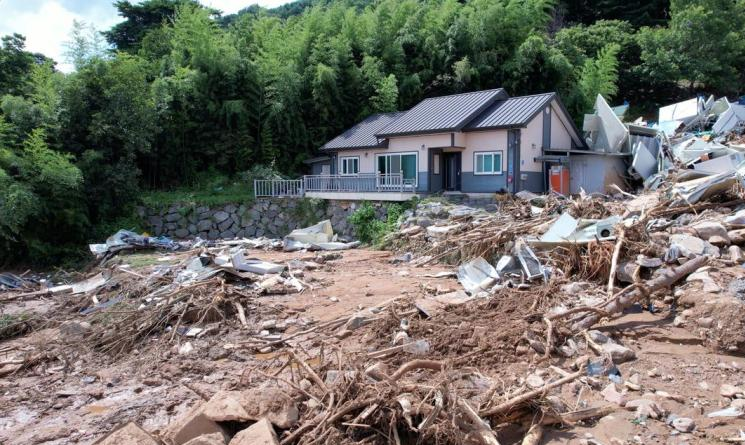
South Korean President Lee announced on Tuesday (July 22nd) that six areas affected by heavy rainfall in the country have been designated as special disaster areas.
According to foreign media reports, the six particularly disaster-stricken areas include: Gapyeong in Gyeonggi Province, Seosan and Ilesan in South Chungcheong Province, Damyang in South Jeolla Province, and Sancheong and Sangcheon in South Gyeongsang Province. The heavy rainfall has weakened at present.
According to relevant laws, if a area is designated as a special disaster zone, the local government will receive disaster relief subsidies provided by the central government, and residents can also enjoy benefits such as deferred payment of various taxes and reduction of public fees.
According to official data from South Korea, as of Tuesday morning, 19 people had died in South Korea, nine were unaccounted for, and more than 2,500 were still in evacuation.
The authorities also said that there are approximately 3,776 facilities in South Korea, including residences, shops and factories, that need to clear accumulated water, silt and debris.

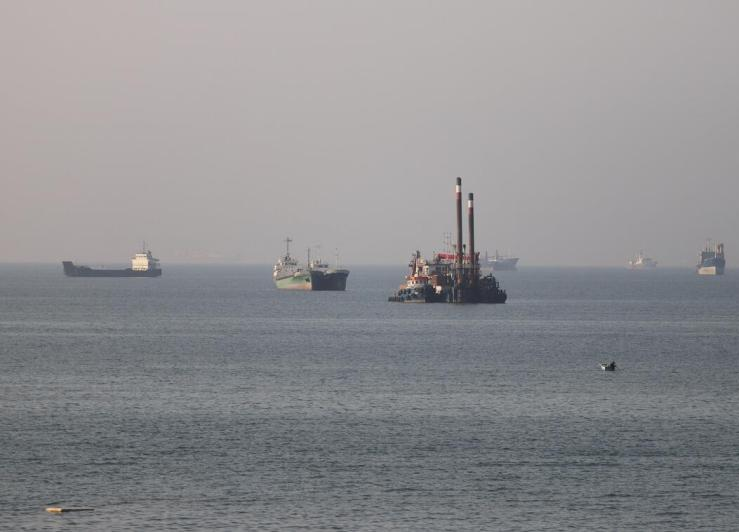
Against the complex backdrop of blocked shipping in the Strait of Hormuz and pressure on the global crude oil supply chain, the Organization of the Petroleum Exporting Countries (OPEC) recently issued a statement on the 7th stating that seven major OPEC+oil producing countries have decided to increase their daily crude oil production by 188000 barrels in July. So far, major oil producing countries have announced production increases for four consecutive months.
Against the complex backdrop of blocked shipping in the Str…

On June 11, 2026 local time, John Healey, Britain’s Defence…

On Thursday, SpaceX officially set the pricing for the larg…

On June 10th, the US Department of Commerce urgently issued…
According to ABC News, recently US President Trump claimed …

In the past month, the U.S. tech industry laid off 38,242 p…
© Copyright 2026, All Rights Reserved