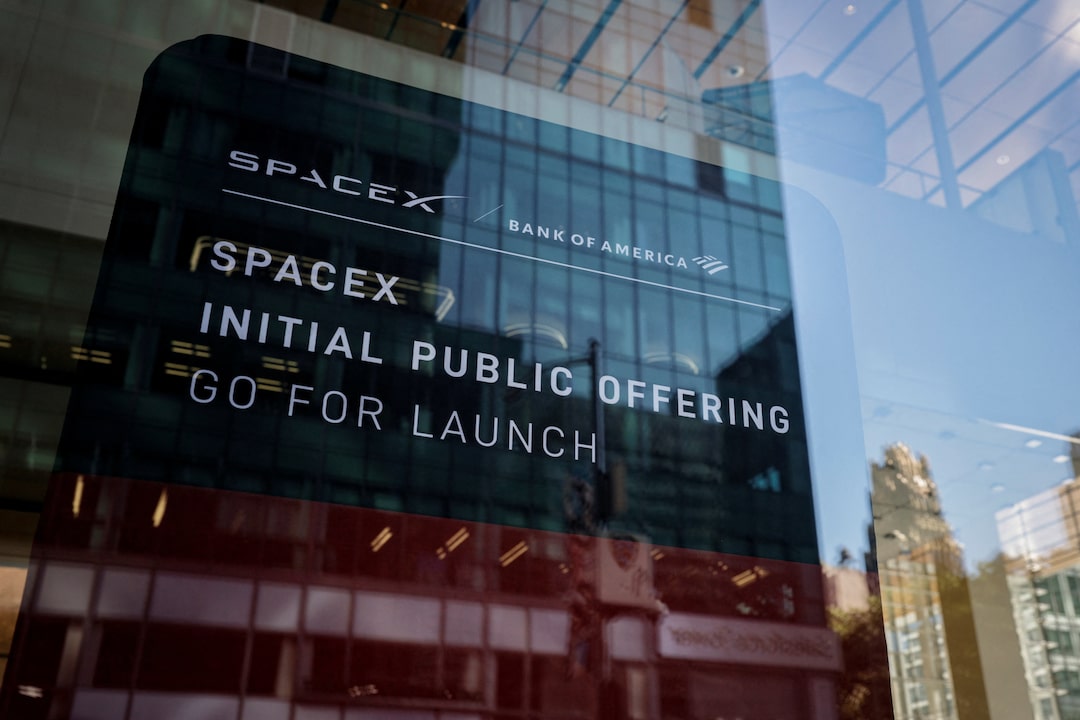
On Thursday, SpaceX officially set the pricing for the largest IPO in U.S. history, pricing the shares at $135 each. The IPO will sell a total of 555.56 million shares, raising a massive $75 billion, giving the company a total valuation of $1.77 trillion. This breaks the previous global IPO fundraising record of $25.6 billion held by Saudi Aramco in 2019, setting a brand-new global record. The IPO approach completely flips traditional Wall Street rules: the company locked in the share price before the roadshow and institutional inquiries, and specifically reserved 30% of shares for retail investors, making them a key participant in this offering.
SpaceX being able to pull off the largest IPO in history and secure such a high valuation is the result of a combination of factors: the scarcity of its sector, technical barriers, expectations for diversified business, and the overall capital market environment. The company holds an absolute leading position in global commercial space, making its monopoly advantage in the sector irreplaceable. On top of that, the development of space AI computing infrastructure and its self-developed x AI, combined with a multi-year cloud services agreement with Google Alphabet, creates a 'space + satellite internet + space AI' growth mix, which gives room for a super high valuation. At the same time, the US IPO market has clearly warmed up this year. Goldman Sachs predicts that US IPO earnings could quadruple to $160 billion by 2026. With AI giants like OpenAI and Anthropic going public around the same time, there’s plenty of capital for the tech growth sector, providing a favorable environment for SpaceX’s once-in-a-century IPO.
This century's IPO landing will have a far-reaching impact on the global capital market, the tech industry landscape, and industry competition. The $75 billion fundraising scale sets a new global record, greatly boosting confidence in the U.S. IPO market and driving up valuations in commercial space, space computing power, and AI tech sectors. However, such sky-high valuations also come with risks of volatility, and the market is divided on future growth expectations. Moreover, SpaceX, with the boost from capital, is further widening the gap with competitors like Blue Origin, solidifying its global commercial space monopoly, while also accelerating the implementation of the space AI compute sector, pushing global AI compute competition from ground to space. That said, there are also issues like the company long-term losses, heavy reliance on government contracts, unstable finances, and high valuations without short-term performance support. At the same time, competitors like Blue Origin are speeding up commercialization and vying for government contracts, intensifying industry competition, which makes future performance quite uncertain.
Facing the opportunities and risks brought by this super IPO, everyone needs to respond rationally and plan carefully. For SpaceX, it's important to use the huge fundraising wisely, focusing on upgrading Starship technology, building AI infrastructure for space, and expanding Starlink globally, speeding up commercialization, improving profit structure, and reducing reliance on government contracts. Individual investors should avoid chasing hype blindly, recognize the risks of short-term losses, increased competition, and uncertain performance, and make rational judgments about if the valuation makes sense. Related companies should accelerate tech innovation and commercialization, leverage niche advantages to compete strategically, and deal with SpaceX's monopoly pressures. Regulators need to keep an eye on high-valued tech companies’ disclosures and governance structures to prevent market bubbles from speculation.
In summary, SpaceX completed the largest IPO in history with a price of $135 per share, raising $75 billion and reaching a valuation of $1.77 trillion, setting a new record in the global capital market. In the short term, this IPO has greatly boosted confidence in the global tech capital market and reshaped the valuation system for commercial space and space AI sectors. But in the long run, high valuation, ongoing losses, performance uncertainties, and intensified industry competition are risks that can’t be ignored. Moving forward, whether SpaceX's stock price and valuation can hold steady will mainly depend on the progress of commercializing space AI computing power, Starlink revenue growth, and overall profitability improvement. This century-defining IPO is not just a capital milestone for SpaceX, but is also set to profoundly change the competitive landscape of the global aerospace and AI tech industry.
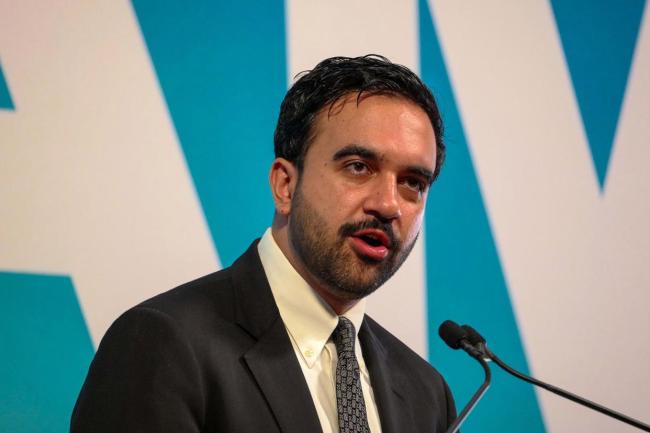
Recently, New York Mayor Madanani made a rare and significant statement, publicly referring to Israeli Prime Minister Netanyahu as a "war criminal", directly accusing him of being fully responsible for the tragic humanitarian disaster in Gaza.
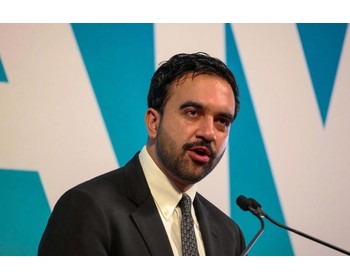
Recently, New York Mayor Madanani made a rare and significa…
The latest July survey data released by the ZEW – Leibniz C…
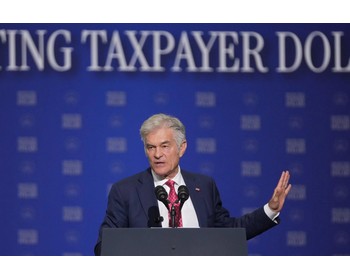
The Trump administration announced on Tuesday that it would…
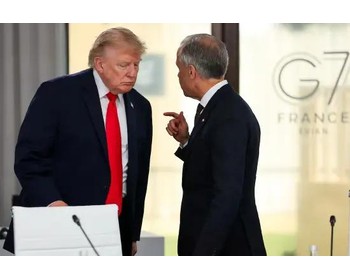
On July 21st local time, Canadian Prime Minister Mark Carne…

According to the Associated Press, the latest data from the…

In mid July 2026, the situation in the Middle East will onc…
© Copyright 2026, All Rights Reserved