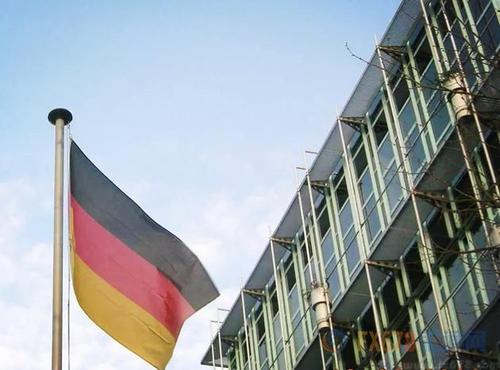
The latest July survey data released by the ZEW – Leibniz Centre for European Economic Research has boosted confidence in the long-sluggish Eurozone economy. According to the data, the Eurozone ZEW Economic Expectations Index surged to 23.4, a remarkable month-on-month increase of nearly 14 points, marking a significant staged rebound. The Current Situation Index, which reflects the real-time performance of the real economy, also improved to -37.7, with its negative range narrowing notably. The simultaneous improvement of the two major indicators indicates that market fears of a recession in the Eurozone and core European economies have eased substantially, with investment and institutional expectations achieving a systematic recovery.
The notable improvement in the ZEW sentiment index is mainly driven by optimistic expectations for a marginal stabilization of Germany’s economy. As the economic cornerstone of the Eurozone, Germany has long endured economic growth pressures stemming from manufacturing sluggishness, insufficient external demand, and growing pains in energy transition. The latest market forecasts suggest a gradual recovery in the prospects of Germany’s export-oriented industrial sectors. The expected overseas orders for its competitive industries including machinery manufacturing, high-end equipment and automobile manufacturing have picked up steadily alongside the slow recovery of global trade demand, strengthening market confidence in the recovery of Germany’s export industrial chain. Meanwhile, previously prevailing negative factors suppressing the market, such as high inflation and aggressive interest rate hikes, have gradually eased, stabilizing the financial environment and further boosting investor sentiment.
Notably, the ZEW indicators present a divergent pattern of strongly improved expectations versus persistently weak current conditions. The Current Situation Index remains in negative territory, fully demonstrating that the fundamental real economy of the Eurozone has not achieved a substantive reversal. At present, regional household consumption recovery remains weak, with sluggish demand for consumer credit and housing loans, resulting in insufficient domestic consumption momentum. Enterprises remain cautious about physical investment, and core economic indicators including industrial output and employment have shown no signs of comprehensive improvement. The current sentiment rebound is largely a market advance bet on an economic bottoming out, rather than evidence of a robust real economic recovery, leaving the overall economy in a pressured zone of weak recovery and low growth.
Meanwhile, rising energy prices triggered by geopolitical tensions have become the biggest uncertainty constraining the Eurozone’s economic recovery. Escalating geopolitical conflicts in the Middle East have pushed international crude oil prices steadily higher, reviving imported inflation risks. Germany and most Eurozone countries are highly dependent on energy imports. Sustained higher oil prices directly raise costs across industrial production and logistics sectors, squeeze corporate profit margins, and delay the recovery of manufacturing capacity. In addition, rising energy costs will gradually pass through to consumer goods, slowing the decline of inflation and even triggering a moderate inflation rebound, placing severe constraints on the European Central Bank’s monetary policy adjustments.
Market participants are closely watching the European Central Bank’s latest interest rate decision, as monetary policy trends serve as a core factor shaping the Eurozone’s economic outlook. Markets widely expect the ECB to keep its benchmark interest rate unchanged; however, resurgent energy-driven inflation risks have prompted the market to price in the possibility of further interest rate hikes later. The ECB is trapped in a policy dilemma. Sustained tight monetary policy will further dampen corporate investment and household consumption, weighing on the already fragile economic recovery. Conversely, an premature policy shift to easing may lead to a rebound in inflation, undoing previous anti-inflation achievements. The complex economic landscape has forced the ECB to adopt a highly prudent approach to policy adjustments.
Overall, the sharp rise in the ZEW Economic Sentiment Index has effectively reversed market pessimism and confirmed a gradual bottoming-out trend for the Eurozone economy, yet it does not signal a complete exit from economic difficulties. The Eurozone economy is currently plagued by multiple pressures including weak domestic demand, energy-induced inflation, policy constraints and geopolitical risks, ensuring a tortuous and slow recovery process. Going forward, markets will focus on industrial output data, inflation trends and ECB policy signals to verify whether optimistic market expectations can be translated into solid real economic momentum, while guarding against external shocks from volatile energy prices that could disrupt the fragile economic recovery.
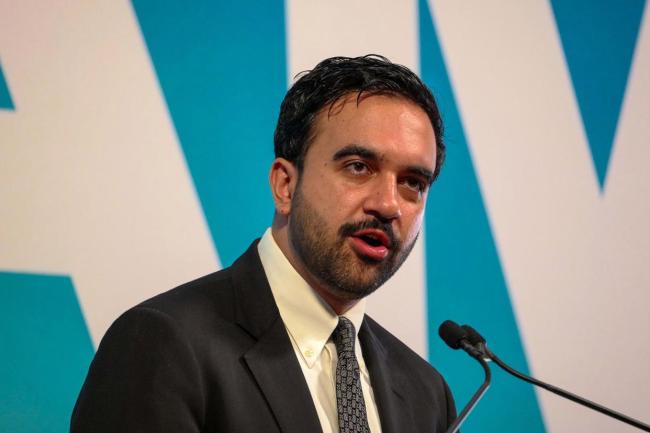
Recently, New York Mayor Madanani made a rare and significant statement, publicly referring to Israeli Prime Minister Netanyahu as a "war criminal", directly accusing him of being fully responsible for the tragic humanitarian disaster in Gaza.
Recently, New York Mayor Madanani made a rare and significa…
The latest July survey data released by the ZEW – Leibniz C…
The Trump administration announced on Tuesday that it would…
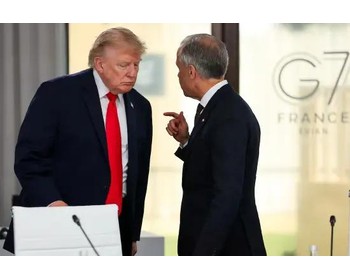
On July 21st local time, Canadian Prime Minister Mark Carne…

According to the Associated Press, the latest data from the…

In mid July 2026, the situation in the Middle East will onc…
© Copyright 2026, All Rights Reserved