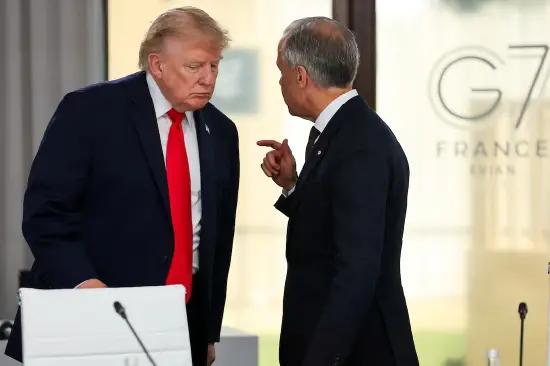
On July 21st local time, Canadian Prime Minister Mark Carney stated that after having a phone conversation with US President Trump, both sides agreed to accelerate trade negotiations. He also warned that if Trump's threat to impose tariffs on Monday is implemented, he will consider "all options". However, at the same time, the majority of provincial governors in Canada publicly stated that they would continue to maintain the ban on the sale of alcoholic beverages in the United States. On one hand, the federal government is actively mediating, while on the other hand, local governments hold the cards and refuse to give in. The unique federal and provincial power division pattern has created inherent contradictions in this negotiation. The alcohol dispute seems to be just a problem of beverage circulation, but behind it, it affects the North American upstream and downstream industrial chain, cross-border trade, investment expectations, and regional trade rules, and has a chain impact on the commercial fields of both countries and even the global commercial domain.
The beverage industry chain is the industry that first faced the impact. Canada was once the core overseas market for American wine and bourbon whiskey, and after the ban was implemented, the American wine industry suffered heavy losses. Relevant statistics show that the scale of US exports of beverages to Canada has significantly declined, many small and medium-sized wineries and distilleries lost stable sales channels, and inventory continued to accumulate. Many production lines that originally supplied products to Canada were forced to reduce production capacity, and some enterprises even attempted to transfer production to the Canadian mainland to bypass the sales ban. The long-term established distribution network and cross-border logistics channels continued to depreciate, distributors lost long-term orders, and the channel costs invested in the early stage could not be recovered. What is more noteworthy is the change in consumption habits. After a long period of market substitution, many Canadian consumers have adapted to local beverages, European and Oceania beverages, and even if the ban is lifted in the future, American brands will have to invest a large amount of marketing resources to regain market share.
The emergence of a market gap naturally gives rise to new business opportunities. Wine exporters from France, Chile, and New Zealand seized the window of opportunity and continuously increased their distribution efforts in Canada, seizing the shelf space that was originally for American wine. The local wine and whiskey industry in Canada has received development dividends, local wine and whiskey sales have steadily increased, and local wineries have expanded publicity and expanded production capacity. However, there are also practical problems under the opportunity. Canadian restaurants, bars, and wine retailers face a contraction in product selection, some specialty American wines are out of supply, and they can only choose alternative products, and the cost of purchasing goods has risen. The provincial policy divergence further exacerbates market fragmentation. Alberta and Saskatchewan provinces allow the sale of American wines, while the other major provinces continue to impose restrictions. The price difference of wines between provinces continues to widen, adding additional operating costs for cross-regional business enterprises.
The capital market and cross-border service industries are also subject to fluctuations. The repeated changes in negotiation news have led to fluctuations in the Canadian dollar exchange rate and the stock prices of export enterprises. The orders for cross-border freight forwarding, warehousing, and customs declaration industries are alternately cold and hot, and it is difficult for enterprises to formulate stable medium- and long-term business plans. For overseas enterprises looking to enter the North American market, this event serves as a warning: when conducting business cooperation with Canada, it is not only necessary to connect with the federal government, but also to fully assess the local policies independently issued by each province. In the past, enterprises' risk control focused on tariff adjustments, but now non-tariff barriers such as provincial monopoly control and local retail bans have become variables that cannot be ignored affecting market access, and the commercial risk assessment system needs to be updated comprehensively.
In conclusion, the US-Canada alcohol ban dispute is not just a local friction in the consumer goods sector. The huge uncertainty brought about by the policy divergence between the federal and provincial levels continues to disturb market expectations. Regardless of the future direction of the negotiations, all market entities must adapt to the external environment of rising protectionism and frequent changes in trade rules. Business practitioners from all countries should also realize that in the current international trade landscape, local administrative measures can already influence the success or failure of businesses. When analyzing the situation in the North American market, one should not merely focus on the diplomatic statements at the national level; instead, it is necessary to continuously monitor the policy trends in each province and prepare contingency plans in advance to calmly cope with the constantly changing trade environment.
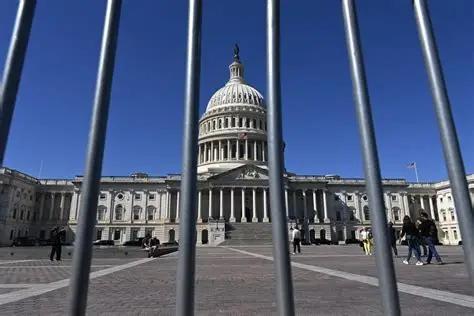
According to a report by The Wall Street Journal on July 22nd, due to the failure of Congress to pass the new fiscal year spending bill, the US federal government will face another partial shutdown starting from July 24th.
According to a report by The Wall Street Journal on July 22…
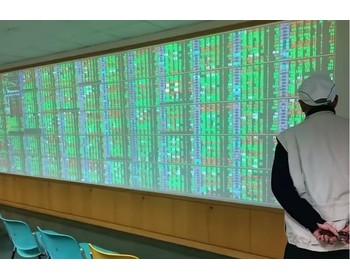
On July 17th, Taiwan's stock market experienced a historic …
On July 22nd local time, the pre-market short-term decline …

On July 22 local time, Advanced Micro Devices (AMD) officia…
According to the report by Rich Asplund, a columnist of Bar…

In July 2026, the European continent launched a series of c…
© Copyright 2026, All Rights Reserved