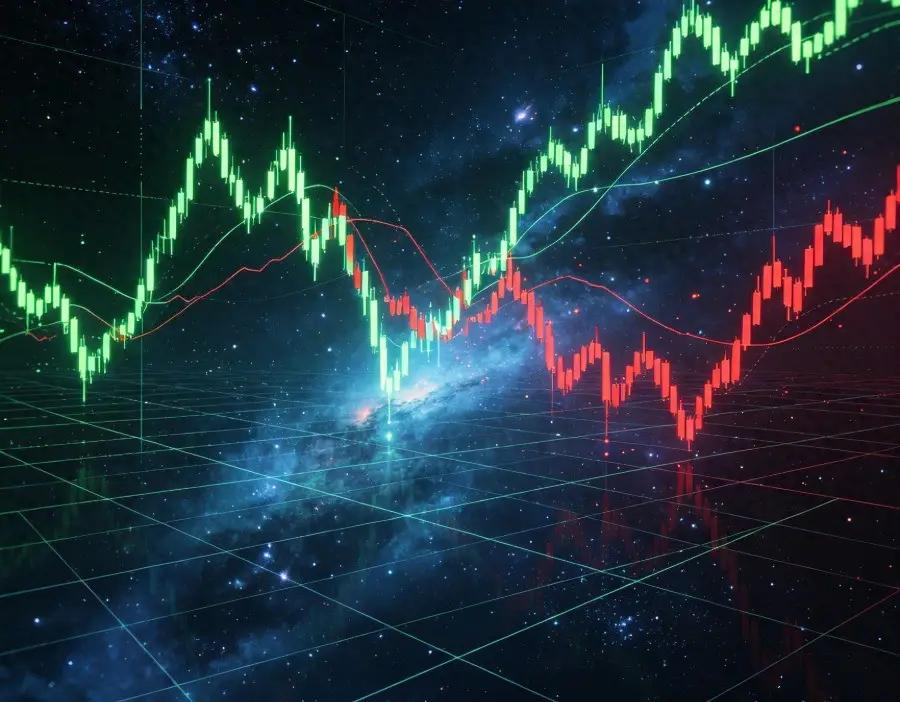
On July 22nd local time, the pre-market short-term decline of US storage stock-related companies caused SK Hynix's ADR to drop by 6.7%, Micron Technology to fall by more than 4%, SanDisk to widen its decline by 3.9%, and Western Digital to drop by more than 4%. The Nasdaq 100 index futures dropped by more than 1%, the S&P 500 index futures dropped by 0.45%, and the Dow Jones index futures dropped by 0.3%. Storage chips are a core part of the AI computing power industry chain and are also the trend indicator of the global semiconductor industry. This pre-market brief decline was like a huge rock thrown into the sea, spreading outward layer by layer and impacting multiple fields, bringing a chain reaction and multi-dimensional impact to the entire international financial system.
Firstly, the US domestic market was affected. The significant weakening of storage leaders directly dragged down the valuation of the technology index. The risk-averse sentiment of market funds rapidly increased, and there was a clear shift in sector style: the AI hardware and high-valued growth stocks that had been soaring all along were concentratedly sold off, and funds turned to gold and public utilities, which are defensive assets. The market sentiment was severely polarized. At the same time, the two-times leveraged ETF tracking the semiconductor sector, due to the rapid pullback of the underlying assets, triggered the passive reduction mechanism, forming a vicious cycle of "stock price decline, ETF selling off holdings, and stock price continues to decline". Overseas retail investors and international hedge funds generally heavily invested in storage leaders through spread contracts. The rapid decline at the pre-market stage directly triggered margin calls, and a large number of long positions were forcibly closed, with the selling pressure on the market continuously increasing. JPMorgan Chase, Goldman Sachs, and other leading Wall Street investment banks simultaneously tightened the financing rules for chip stocks, increased the margin required for long positions, and raised the stock lending interest rate. The market's long-term leverage quickly contracted, and the short-term liquidity of the storage sector was directly exhausted.
Secondly, many markets in Asia were simultaneously impacted. The South Korean stock market was the most severely affected. Samsung Electronics and SK Hynix are the top two weight stocks of the South Korean composite index KOSPI. After the ADR of the corresponding US stocks dropped sharply, the South Korean domestic storage leaders would generally open at a large discount the next day. In extreme cases, it would even drag the market volatility to intensify. South Korean retail investors are accustomed to high-leverage speculation on semiconductor stocks. Once the market weakens, the concentrated liquidation wave will further amplify the index fluctuations. Following closely is the Japanese market. Kioxia, as a global core storage manufacturer, its stock price will follow the pessimistic expectations of the outside world and decline synchronously, directly dragging down the Nikkei 225 index as a whole. Overseas institutions also simultaneously reduced their overall holdings of global semiconductors, and Northbound funds phased out domestic technology stocks, further amplifying the adjustment pressure on the A-share sector. The Hong Kong Hang Seng Technology Index and Chinese mainland storage-related companies also declined simultaneously. The entire Asia-Pacific technology sector entered a risk-aversion cycle in the short term.
Furthermore, the global asset management industry suffered a performance disaster, and funds and hedge funds were under dual pressure. For overseas mutual funds, a significant single-day decline in the storage sector would directly cause the fund's net value to shrink rapidly. Many actively equity funds with heavy holdings in the technology sector would have a single-day net value decline of 3% to 8%. Ordinary investors, seeing the account losses, would easily develop panic psychology and initiate redemption applications. Fund managers, in order to meet redemption funds, could only passively sell the holdings of the stocks, further intensifying the market selling pressure, forming a negative cycle of "stock price decline, fund net value decline, investors concentrated redemption, passive selling of stocks". Overseas macro hedge funds would bet on the slowdown of global AI computing power capital expenditure and short the entire semiconductor industry chain; global long-term funds, such as national pension funds and sovereign funds, would choose to temporarily observe and suspend the addition of holdings in the technology sector. The long-term stable buying pressure in the market disappeared temporarily, and the storage sector lost the support of funds.
In summary, the short-term decline of the US stock storage-related companies before the market opened this time was essentially a technical correction driven by leveraged funds and global risk-aversion sentiment, rather than a complete collapse of the fundamentals of the storage industry. At the same time, this short-term fluctuation will also promote a structural reshaping of the entire international financial market.

According to a report by The Wall Street Journal on July 22nd, due to the failure of Congress to pass the new fiscal year spending bill, the US federal government will face another partial shutdown starting from July 24th.

According to a report by The Wall Street Journal on July 22…
On July 17th, Taiwan's stock market experienced a historic …
On July 22nd local time, the pre-market short-term decline …
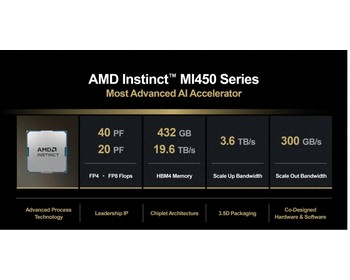
On July 22 local time, Advanced Micro Devices (AMD) officia…

According to the report by Rich Asplund, a columnist of Bar…

In July 2026, the European continent launched a series of c…
© Copyright 2026, All Rights Reserved