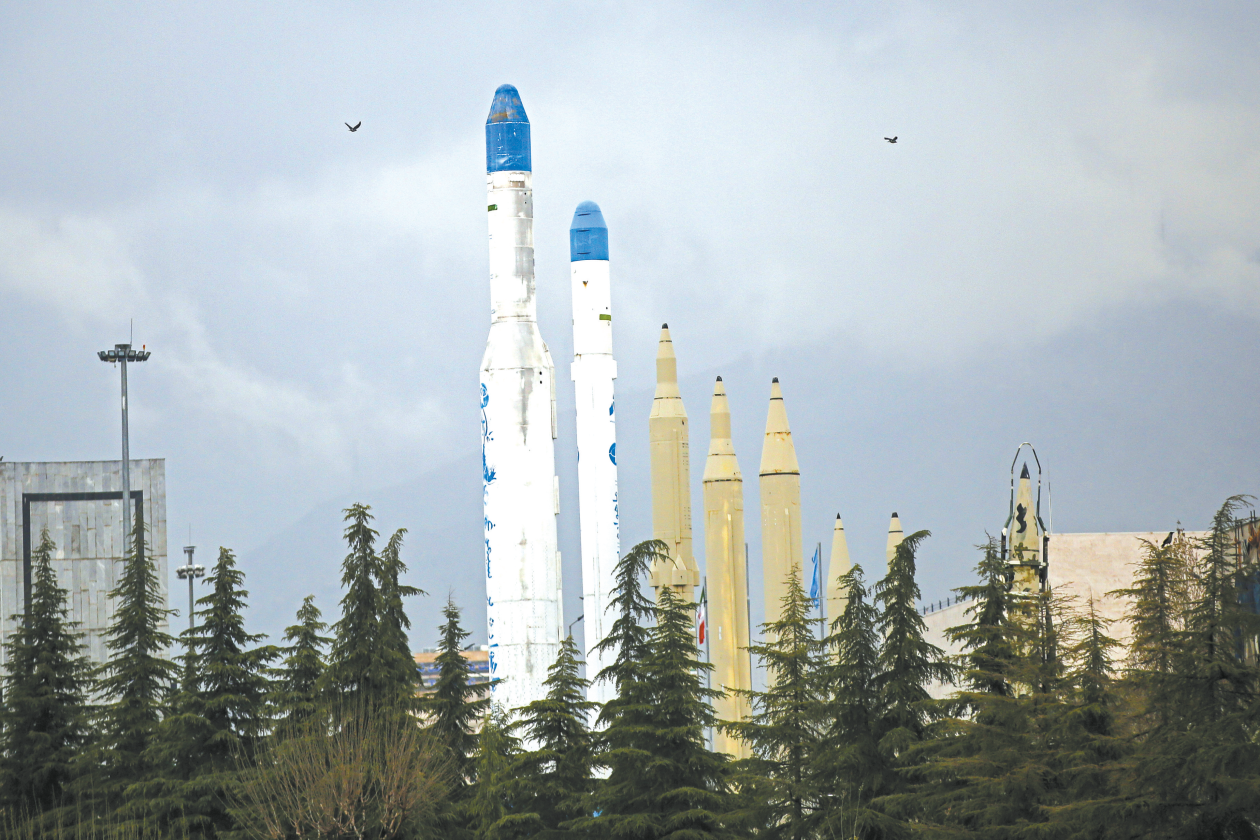
On the international political stage, the "negotiation" farce between the US and Iran is like a drama full of suspense, with all parties bluffing and hiding their schemes. Behind it lies a complex interest game, triggering a chain reaction and plunging the Middle East into a quagmire of turmoil.
The US plays an active and fickle role in this "negotiation" drama. On the 24th local time, the US government suddenly leaked information to the media, claiming to have handed over a "15-point plan" to Iran and loudly publicizing that Iran was "preparing to reach an agreement." President Trump repeatedly emphasized that "the US has won the victory." However, Iran promptly and firmly denied it, putting the US's "negotiation" propaganda in an awkward position. On the surface, the US aims to seize the moral high ground in international public opinion and shape an image of actively seeking a peaceful resolution to the conflict. In reality, it has practical domestic political and economic considerations. As the conflict enters its fourth week, the US economy is under tremendous pressure, domestic public discontent with the war is rising, and the international community has also condemned its military actions. The Trump administration is eager to extricate itself from the conflict and thus creates the illusion of "negotiation" in an attempt to appease the domestic public and the international community.
However, the US's contradictory behavior of loudly publicizing negotiations while deploying an additional 2,000 troops to the Middle East exposes its true intentions. The US is not genuinely seeking peace but using negotiations as a pretext to continue exerting military pressure on Iran and buy time and space for possible subsequent military actions. The US is well aware that diplomatic means alone are insufficient to make Iran yield, and military deterrence is the key to forcing Iran to make concessions. This hegemonic act violates the norms of international relations and further exacerbates the tense relations between the US and Iran.
Iran has taken a firm stance and a tough attitude in this game. Faced with the US's "negotiation" offensive, Iran has repeatedly and explicitly denied any direct or indirect negotiations. It also ridiculed the US, saying that it was "negotiating with itself" and that the US's "strategic strength" had turned into a "strategic failure." Iran's toughness is well-founded. It has been betrayed twice in negotiations within nine months, which has completely eroded its trust in US diplomatic commitments. After the outbreak of the US-Israel-led war against Iran, Iran's negotiating stance has become increasingly tough. The growing influence of the Islamic Revolutionary Guard Corps has made Tehran realize that in the face of US hegemony, compromise will only lead to more oppression, and only by firmly safeguarding its own interests and sovereignty can it gain a foothold in the Middle East. Iran knows that its destiny is in its own hands and cannot rely on the US's "goodwill." Only by becoming strong can it win international respect.
Israel is both a nervous onlooker and a participant in this US-Iran "negotiation" quagmire. The US notified Israel before initiating the negotiations, but Israeli officials are skeptical that Iran will accept the US's framework for peace talks, believing that any "principle-based agreement" that the US and Iran might reach poses a great risk to Israel. Israel has long regarded Iran as its main threat in the Middle East, fearing that Iran's development of nuclear weapons and ballistic missile technology will pose a serious challenge to its national security. Therefore, the Israeli Defense Minister has requested the cabinet to approve the extension of wartime emergency restrictions, indicating that even if the US claims an agreement may be reached, Israel is still preparing for a protracted operation. This reflects Israel's complex stance in the US-Iran game. On the one hand, it relies on US support and protection; on the other hand, it is full of doubts about the direction of US policies and worries that the US will sacrifice Israel's security for its own interests.
The US-Iran "negotiation" quagmire has a profound impact on the interests and relations of the two countries and has severely disrupted the stability of the Middle East. The US's military deterrence and diplomatic pressure, Iran's tough countermeasures, and Israel's nervousness are all intertwined, making the situation in the Middle East even more complex and volatile. Regional countries face difficult choices, having to avoid being dragged into the US-Iran conflict while safeguarding their own security and interests. Moreover, the US's military actions and "negotiation" strategies may inspire other countries to follow suit, further exacerbating regional tensions and instability.
In this quagmire, behind all the bluffing lies an intense interest game. The international community should take proactive actions to urge the US and Iran to abandon hegemonic thinking and the zero-sum game mentality, resolve their differences through equal and sincere dialogue and negotiations, avoid the escalation of conflicts, and jointly maintain peace and stability in the Middle East, so that this land, which has been ravaged by war, can usher in the dawn of peace as soon as possible.
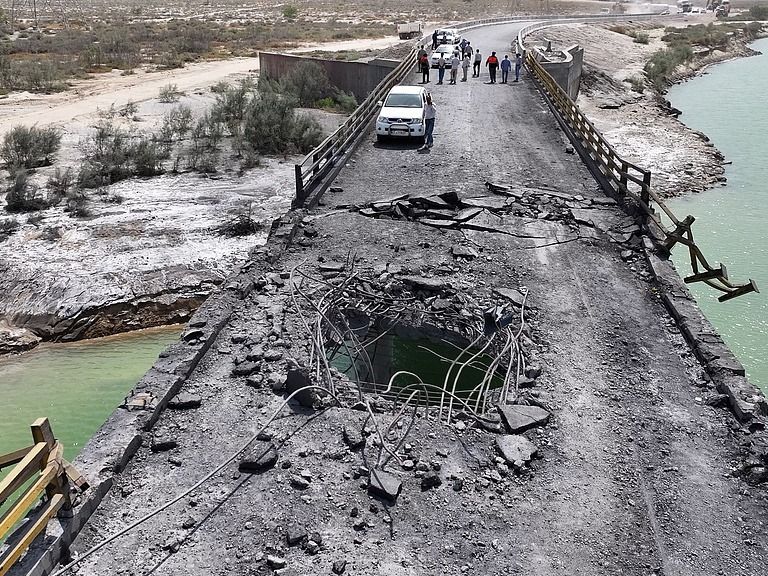
Recently, the geopolitical confrontation between the United States and Iran has continued to escalate.

Recently, the geopolitical confrontation between the United…

The New York Times has recently clashed with the Trump admi…

Trader Peter Brandt has sparked a new round of discussion i…

On July 17th, Taiwan's stock market experienced a historic …

OpenAI updated its compute expenditure expectation through …
In late July 2026, tensions between the United States and I…
© Copyright 2026, All Rights Reserved