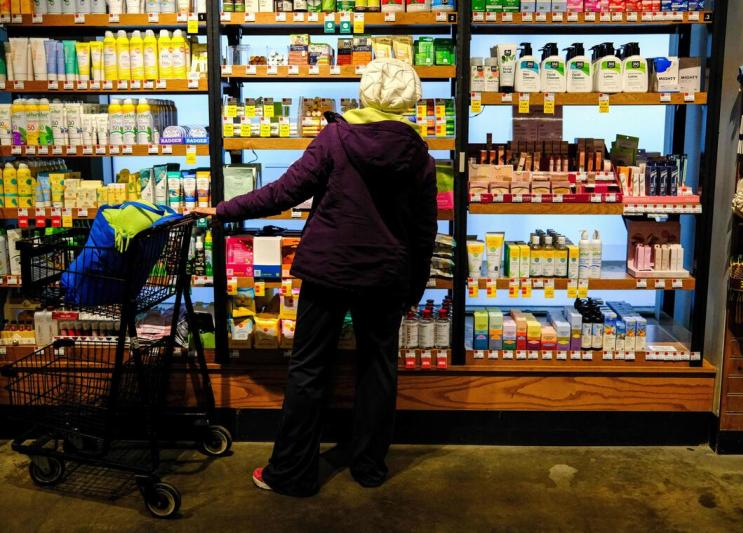
(Washington / New York) The latest survey conducted by the Federal Reserve Bank of New York reveals that the large-scale tariffs imposed by US President Trump last year were almost entirely borne by American consumers. It is reported that Trump is planning to reduce the tariffs on some steel and aluminum products and suspend the expansion of the tariff list in order to address public discontent caused by rising prices or to avoid an adverse impact on the election situation in the mid-term elections at the end of the year.
The Federal Reserve Bank of New York released a research report on Thursday (February 12th), assessing the impact of the significant increase in the average tariff rate in the United States from 2.6% to 13% last year on the economy. The results showed that as much as 94% of the tariff costs in the first eight months of last year were borne by American consumers. This ratio dropped to 92% in September and October, and further to 86% in November.
This finding is in line with another survey released by the Congressional Budget Office (CBO) the previous day. According to the CBO assessment, only 5% of the cost of tariffs is absorbed by foreign exporters. In the short term, American businesses will reduce their profits to absorb a 30% increase in import prices, while the remaining 70% will be passed on to consumers through price hikes.
Both of these latest surveys have refuted Trump's claim that most of the tariffs were borne by foreign companies. Just last month, he even wrote an article under his name in The Wall Street Journal, insisting: "The data shows that the cost of tariffs or the 'accident' fell mostly on foreign producers and middlemen, including large enterprises not from the United States."
News: Trump plans to exempt some steel and aluminum products from tariffs
Although Trump refuses to admit that tariffs have harmed Americans, it is reported that he is already planning a new round of tariff exemptions. The Financial Times reported on Thursday that he intends to lower the tariffs on some steel and aluminum products to prevent the issue of increased living costs from escalating before the mid-term elections at the end of the year and damaging his popularity.
It is understood that in addition to exempting some products, the Trump administration will also suspend the expansion of the list and instead adopt a more targeted approach to launch national security investigations on certain specific products.
The steel and aluminum tariffs were one of the earliest tariff hikes imposed by Trump after he took office last year. The maximum rate could reach 50%. He also expanded the tax list to cover many steel and aluminum products, including washing machines and ovens, among others. However, insiders said that now the economic and trade officials from the Department of Commerce and the Office of the Trade Representative believe that the tariffs have led to price increases for some products such as pie baking molds, food and beverage cans, etc., hurting consumers.
At the end of last year, when the issue of living expenses caused the first wave of public opinion impact, leading to the Republicans' defeat in several local mayoral elections, Trump had already announced the exemption of tariffs on a series of imported foods such as bananas and coffee beans.
However, these measures seem not to have improved his public approval rating. The latest poll by Reuters and Ipsos shows that only 30% of Americans approve of Trump's handling of the rising cost of living, while 59% are dissatisfied. Among the Democrats, 90% are dissatisfied, and among the Republicans, 20% are as well.
The latest poll conducted by the Pew Research Center, a Washington-based think tank, in February also revealed that approximately 52% of Americans attribute the deterioration of the economic situation to Trump.
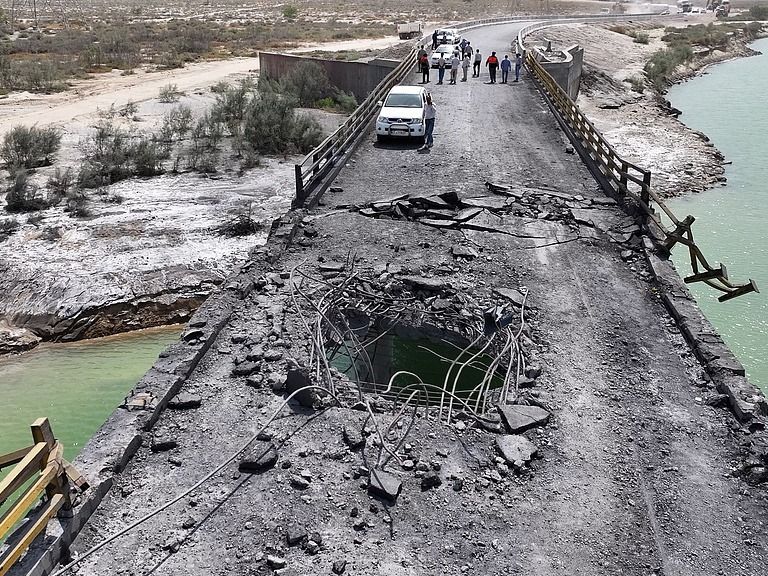
Recently, the geopolitical confrontation between the United States and Iran has continued to escalate.

Recently, the geopolitical confrontation between the United…

The New York Times has recently clashed with the Trump admi…

Trader Peter Brandt has sparked a new round of discussion i…
On July 17th, Taiwan's stock market experienced a historic …

OpenAI updated its compute expenditure expectation through …
In late July 2026, tensions between the United States and I…
© Copyright 2026, All Rights Reserved