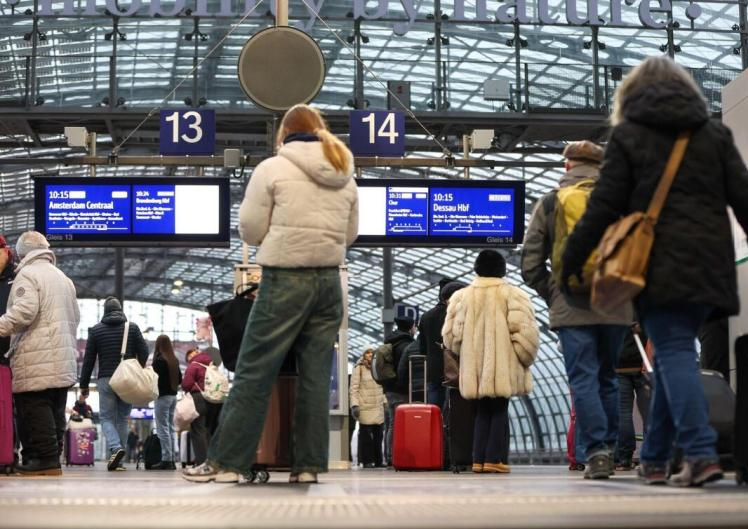
In the freezing weather, tens of thousands of public transportation workers in Germany went on strike on Monday (February 2nd), causing the suspension of bus and tram services in most cities across the country and severely disrupting commuters' travel.
Reuters reported that the Verdi union, representing nearly 100,000 transportation workers, launched this strike after negotiations with local and state government employers over working conditions broke down last week.
The trade union demanded shorter working shifts, longer breaks, and higher pay for night and weekend work, while local city governments were under pressure from financial constraints.
This shutdown operation affected approximately 150 municipal transportation companies in 15 of Germany's 16 federal states, excluding one state. These companies include major cities such as Berlin, Hamburg, and Bremen. This is one of the largest coordinated actions in the local public transportation sector in recent years.
The trade union said that public transportation services were suspended throughout the day in Stuttgart, Karlsruhe and Freiburg.
Temperatures dropped below zero in many parts of Germany, making the situation even more difficult for commuters who were forced to look for alternative means of transportation.
However, Deutsche Bahn (the German railway company) stated last week that since the S-Bahn employees in cities such as Berlin, Hamburg, Munich and Stuttgart are not affiliated with the Verdi union, the S-Bahn trains and long-distance train services in these cities will operate as usual on Monday.
The negotiation atmosphere between Verdi and the employer association was tense. The leadership of the trade union accused the local government of attempting to cut benefits and extend working hours.
The next round of negotiations is scheduled to take place on February 9th.
The union leader warned that if the employers did not make substantial concessions, further industrial actions would not be ruled out.
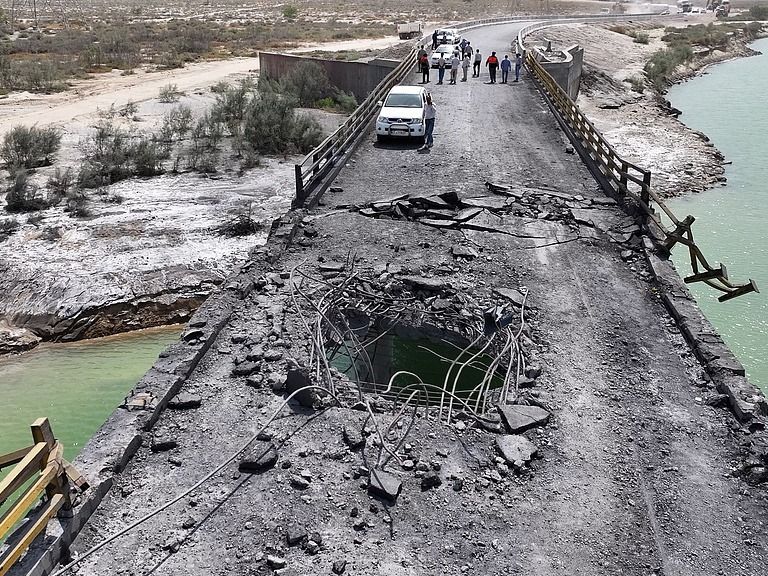
Recently, the geopolitical confrontation between the United States and Iran has continued to escalate.

Recently, the geopolitical confrontation between the United…

The New York Times has recently clashed with the Trump admi…

Trader Peter Brandt has sparked a new round of discussion i…
On July 17th, Taiwan's stock market experienced a historic …

OpenAI updated its compute expenditure expectation through …

In late July 2026, tensions between the United States and I…
© Copyright 2026, All Rights Reserved