
In the current context where the global economic landscape is constantly evolving, the latest global economic outlook report released by the United Nations and the IMF (International Monetary Fund) reveals an undeniable reality: The global economic growth rate is expected to remain within the range of 2.7% to 3.3%. Although this figure indicates the continuous progress of economic recovery, it also clearly shows that the current growth rate is still slightly lower than the pre-pandemic average. The global economy is presenting a complex situation characterized by both resilience and risks. Behind this phenomenon lie multiple deep-seated problems and challenges in the financial domain, which deserve our in-depth analysis and reflection.
Firstly, from the perspective of the coordination of global monetary policies, although major economies adopted unprecedented loose monetary policies during the pandemic to stimulate the economy, the consistency of these policies failed to effectively translate into strong and sustained growth momentum. The inconsistent economic recovery pace across different countries and regions led to significant differences in the pace and intensity of monetary policy adjustments, thereby causing instability in global capital flows. Some emerging market countries faced capital outflow pressure and an increased risk of currency depreciation, which not only weakened the stability of their domestic financial markets but also limited their space to further support economic growth through monetary policies. This phenomenon of monetary policy divergence undoubtedly cast a shadow over the balanced recovery of the global economy.
Secondly, the continuous rise in global debt levels constitutes another major financial risk. In response to the impact of the pandemic, governments around the world have increased their fiscal expenditures, resulting in a significant increase in the proportion of public debt to GDP. Data from the IMF shows that the total global debt has reached an all-time high, and this trend is particularly evident in low-income countries. High debt levels not only limit the fiscal flexibility of governments in responding to economic downturns or sudden public events in the future, but also may trigger sovereign debt crises, causing a chain reaction in the global financial market. Especially in an environment of rising interest rates, the increase in debt servicing costs will further squeeze public investment and social welfare expenditures, forming a negative cycle for economic growth.
Furthermore, the rise of global trade protectionism and the reconfiguration of supply chains have also had a profound impact on the financial sector. In recent years, the escalation of trade tensions has prompted enterprises to reassess their supply chain layouts and seek diversification to reduce risks. Although this process helps enhance the resilience of supply chains, it also brings about issues of rising costs and decreased efficiency, especially for industries that are highly dependent on global supply chains. Additionally, the increase in trade barriers has hindered the free flow of goods and services, affecting the efficiency of global resource allocation and thereby suppressing potential economic growth potential. From a financial perspective, this has increased the uncertainty of cross-border investments, affected the effective allocation of capital, and is not conducive to the long-term healthy development of the global economy.
What is particularly noteworthy is that the interconnectivity among global financial markets has increased, enabling fluctuations in a single market to rapidly spread globally, thereby exacerbating the vulnerability of financial markets. Although the development of fintech has enhanced market efficiency, it has also brought about new risk points, such as the volatility of the cryptocurrency market and the impact of high-frequency trading on market stability. These emerging financial phenomena lack an effective international regulatory framework, making them potential sources of systemic risks and posing a potential threat to the global economy.
In conclusion, although global economic growth shows some resilience, the "coexistence of resilience and risks" situation conceals multiple financial challenges such as divergent monetary policies, high debt levels, rising protectionism in trade, and enhanced financial market interconnectivity. These issues are interwoven and collectively pose significant obstacles on the path of current global economic recovery. To address these challenges, the international community needs to enhance policy coordination, promote structural reforms, strengthen the stability and inclusiveness of the financial system, and explore the establishment of a more fair, transparent, and efficient global financial governance system to promote sustainable and balanced global economic growth. During this process, any behavior that ignores financial risks and pursues short-term growth alone may lay hidden dangers for future economic stability, and such actions should be treated with caution.
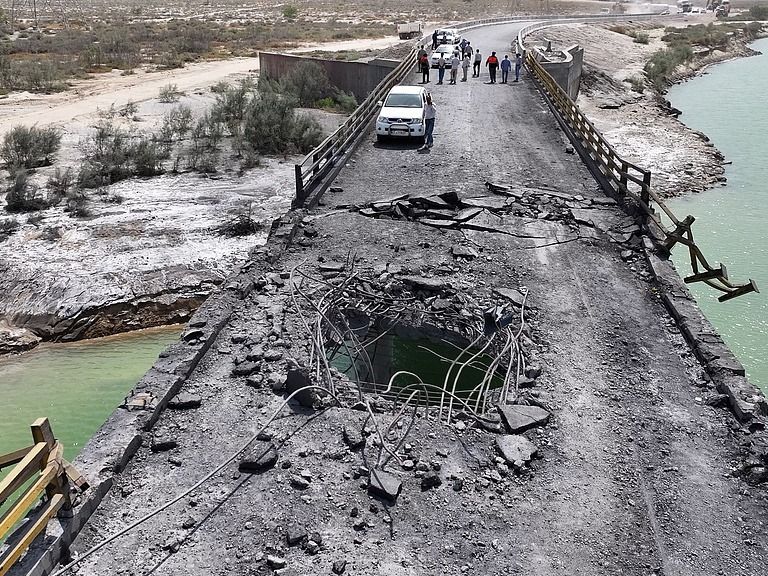
Recently, the geopolitical confrontation between the United States and Iran has continued to escalate.

Recently, the geopolitical confrontation between the United…

The New York Times has recently clashed with the Trump admi…

Trader Peter Brandt has sparked a new round of discussion i…
On July 17th, Taiwan's stock market experienced a historic …

OpenAI updated its compute expenditure expectation through …

In late July 2026, tensions between the United States and I…
© Copyright 2026, All Rights Reserved