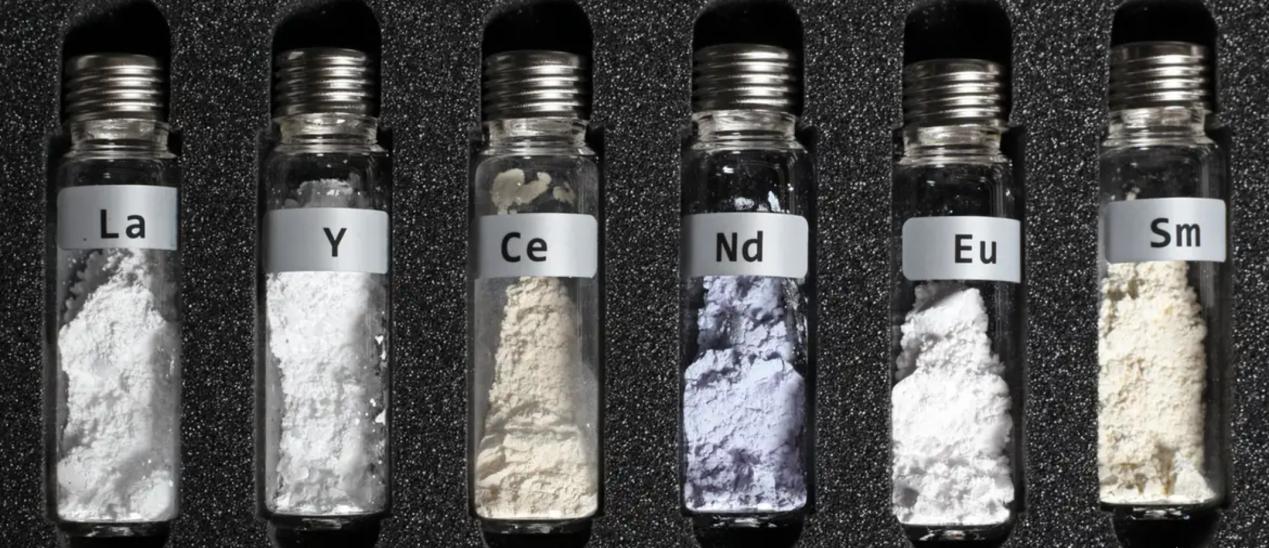
In the context of the global industrial chain restructuring and the interweaving of geopolitical conflicts, the European Union launched a scale-approving key mineral reserve program in 2025. With Italy, France, and Germany at the core, the EU attempts to build a global supply chain network covering 34 strategic minerals such as lithium, rare earths, and cobalt through a dual-track strategy of "domestic autonomy + overseas backup". This plan not only concerns the EU's green transformation and defense autonomy, but also reflects the intense competition among China, the United States, and the EU in the resource sector.
I. Strategic Motivation: Supply Chain Security Crisis Drives Reform
The urgency of the EU stems from multiple shocks: China's export control of rare earths once caused production lines of several EU automakers to come to a halt; the United States accelerated its global mineral layout through the "Defense Production Act" and even snatched EU strategic projects through financing commitments; the energy dependency exposed by the Russia-Ukraine conflict further strengthened the EU's vigilance over key minerals. Data shows that 90% of the EU's rare earth refining and 75% of its lithium processing rely on China, while the United States is locking in Central Asian rare earth resources through mechanisms such as the "C5+1" summit, forming an encroaching situation on the EU.
Against this backdrop, the European Commission launched the "RESourceEU" program, setting a target of achieving 10% domestic extraction and 40% domestic processing by 2030. Italy, France, and Germany are the core drivers, each taking on different roles: Italy, leveraging its Mediterranean location, leads in African mineral cooperation; France, relying on its rare earth research and development capabilities, promotes breakthroughs in domestic refining technology; Germany, through innovative projects such as geothermal brine lithium extraction, sets a benchmark for green mining.
II. Implementation Path: Full Chain Coverage and Geopolitical Layout
The EU's strategy presents a "dual-wheel drive" feature:
Domestic project breakthroughs: The first batch of 47 domestic strategic projects cover the entire chain of extraction, smelting, and recycling. German Vulcan Energy's geothermal lithium extraction project in the Rhine region plans to produce 24,000 tons of carbon-neutral lithium hydroxide annually to meet the needs of automakers such as Volkswagen and Stellantis; Finland expands its nickel refining capacity to support the manufacturing of cathode materials; the Belgian battery recycling project can extract cobalt, nickel, and lithium from used batteries, forming a circular economic loop. These projects received 22.5 billion euros in public funding support and introduced financing guarantees from the European Investment Bank.
Positioning of overseas resources: The EU has built a "strategic partner network" in 13 overseas projects. The Hammerdown tungsten mine in the UK, which is expected to meet 30% of the EU's tungsten demand by 2030, has been restarted. The Balakhivka graphite mine in Ukraine can supply 20% of battery-grade graphite. The EU also provides infrastructure support for projects in emerging resource areas such as Malawi's rare earths and Zambia's copper and cobalt through the "Global Gateway" plan. Notably, the EU deliberately avoids direct competition with China and instead focuses on emerging resource areas such as Greenland and Central Asia, forming a differentiated layout.
III. Deep-level game: The dream of autonomy and the reality of predicament
Despite the EU's frequent actions, its strategy still faces three major challenges:
1. Technological bottlenecks: The production capacity of the French rare earth project is insufficient, with the output in 2027 only being 1/10 of China's imports. Although Germany's geothermal lithium extraction technology is innovative, its commercialization process is slow.
2. Approval constraints: The lengthy environmental review process leads to delays in new mine projects. The expansion plan of the Kiruna iron mine in Sweden has been stalled due to public protests.
3. Cost pressure: China holds a 90% market share in the rare earth refining sector, and its scale effect makes it difficult for EU domestic projects to compete. A German company once had to shut down its production line due to waiting for Chinese export permits, exposing the flaws in the supply chain coordination mechanism.
The EU's reserve plan is essentially a reactive response to geopolitical crises. To achieve true autonomy, breakthroughs need to be made in three areas: simplifying the approval process to balance environmental demands and industrial needs; increasing research and development investment to overcome technological bottlenecks; and building a diversified cooperation mechanism to avoid the dilemma of "choosing sides". As the world's largest resource producer, China can engage in dialogue with the EU in areas such as standard setting and technology sharing, transforming competition into a driving force for maintaining the stability of the supply chain.
In this resource war without smoke, the leading roles of Italy, France, and Germany are crucial. Their success or failure not only determines the fate of the EU's industries but also influences the evolution of the global geopolitical economic landscape.
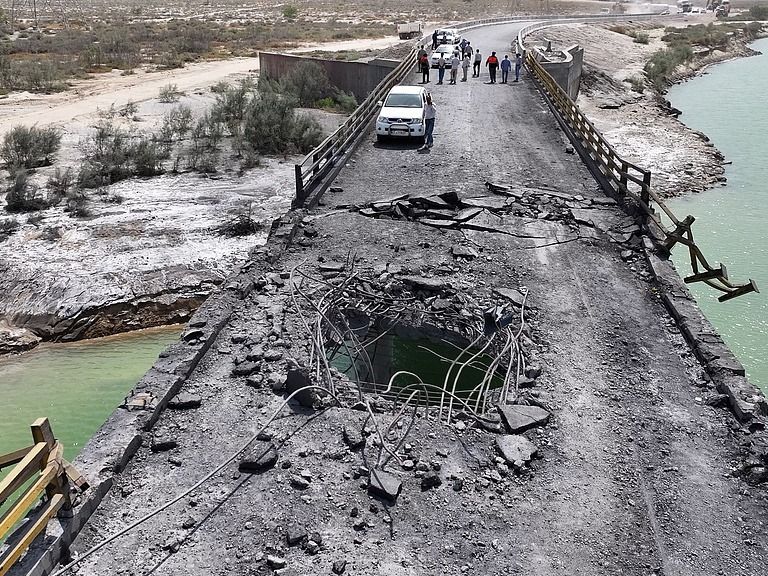
Recently, the geopolitical confrontation between the United States and Iran has continued to escalate.

Recently, the geopolitical confrontation between the United…

The New York Times has recently clashed with the Trump admi…

Trader Peter Brandt has sparked a new round of discussion i…
On July 17th, Taiwan's stock market experienced a historic …
OpenAI updated its compute expenditure expectation through …
In late July 2026, tensions between the United States and I…
© Copyright 2026, All Rights Reserved