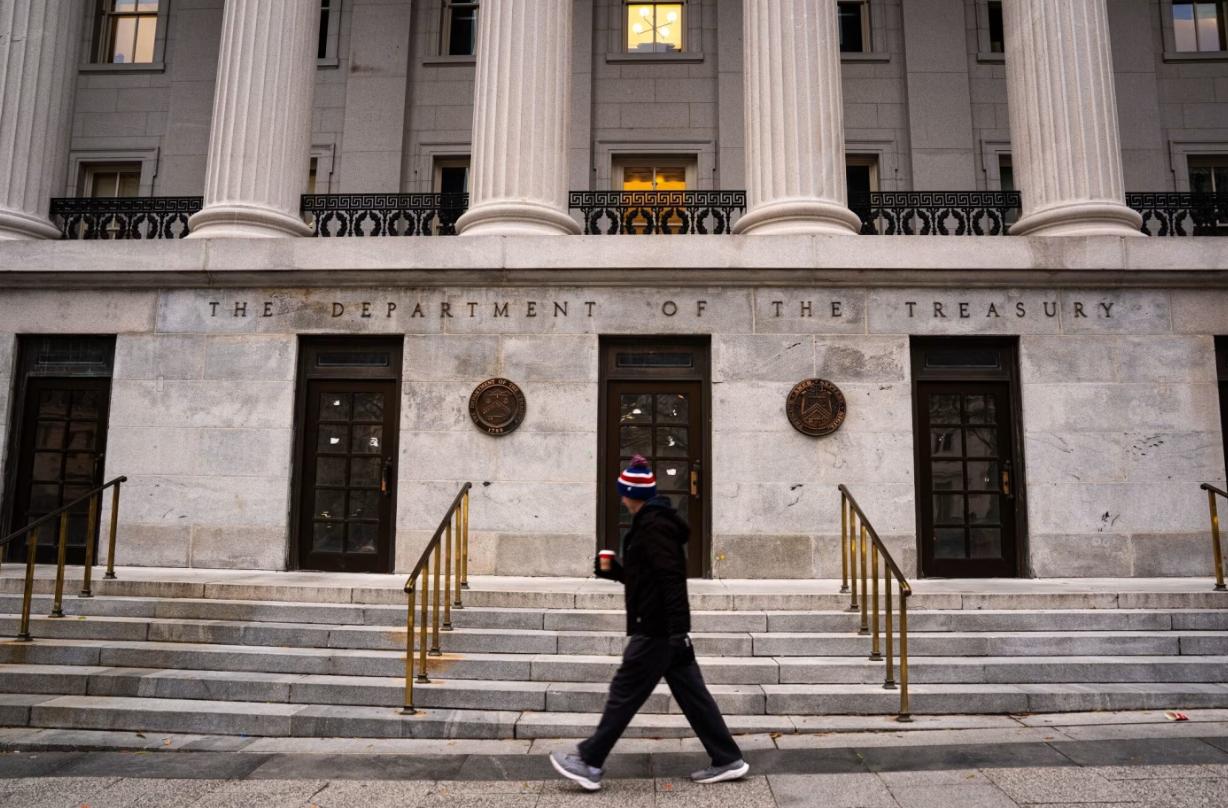
In February 2026, it was revealed that the Trump administration was brewing a highly controversial executive order - requiring the US banking system to compulsorily collect customers' citizenship information, including demanding passports and other proof documents from both new and existing customers. If this policy is implemented, it will mark a significant escalation in the Trump administration's immigration enforcement strategy, signifying the first time the US financial system has been enlisted in the fight against illegal immigration. However, the legal, economic, and social controversies it has sparked have already embroiled the policy in a maelstrom of multi-party negotiations even before its official introduction.
I. Policy Intent: The "Financialization" Shift in Immigration Enforcement
The core logic behind the Trump administration's move is to transform the banking system into a "data sentinel" for identifying illegal immigrants. Under current regulations, US banks are required to follow "Know Your Customer" (KYC) standards to prevent money laundering, but they only need to collect basic information such as passports and social security numbers, without verifying citizenship, and non-citizens can legally open accounts. If the new policy is implemented, banks will be required to proactively verify whether customers are US citizens or legal residents, and may even be required to trace the identity information of existing account holders.
This shift is in line with the Trump administration's long-standing immigration policies. Since the second term in 2025, it has strengthened border control by increasing the number of border enforcement personnel and expanding the "expedited removal" process, but the problem of illegal immigration has continued to escalate. For instance, the riots in Minnesota triggered by welfare fraud scandals have prompted the government to extend its enforcement reach into the financial sector. By requiring banks to share customer citizenship data, the government aims to cut off illegal immigrants' access to economic activities such as wages, remittances, and credit, creating a chain reaction of "internal deportation."
II. Industry Impact: Soaring Compliance Costs and Systemic Risks
The banking industry is generally opposed to this policy. The American Bankers Association (ABA) pointed out that if all the hundreds of millions of accounts in the US need to have their citizenship verified, banks will face challenges such as technological transformation pressure and soaring operational costs. The more far-reaching impact lies in financial exclusion. According to the Migration Policy Institute (MPI), about 22 million non-citizens in the US hold bank accounts, including green card holders, work visa holders, and refugees. If banks refuse service due to policy risks, these groups will be forced to turn to cash transactions or informal financial institutions, not only increasing the crime rate but also potentially triggering local economic recessions. Similar trends have already emerged in Minnesota: local banks' requirement to report overseas transactions over $3,000 as per FinCEN has led to a 40% drop in remittances to the Somali community, and small businesses have gone bankrupt due to the inability to obtain credit.
III. Key Points of Controversy: Privacy Rights, Discrimination, and Constitutional Challenges
The core disputes of the policy center on three major areas:
1. The Boundaries of Privacy Rights: The Fourth Amendment of the US Constitution protects citizens from unreasonable searches, but there is controversy over whether non-citizens enjoy the same rights. Civil rights organizations such as the ACLU warn that the government might use bank data to build an immigration surveillance network, repeating the history of the "Japanese internment camps."
2. Risks of Discriminatory Enforcement: Immigrant groups such as Latinos and Asians may be subject to excessive scrutiny by banks due to "appearance profiling." For instance, if a Texas bank requires Latino customers to provide additional visa documents, it would constitute racial discrimination.
3. Overreach of Executive Power: Critics point out that citizenship verification falls within the legislative purview of Congress, and the president's use of an executive order to force banks to enforce it may violate the principle of "separation of powers." There are already voices within the Department of Justice questioning whether FinCEN has the legal authority to receive such data.
The policy experiment of the Trump administration has exposed the deep-seated contradiction between immigration enforcement and financial stability. Turning banks into "border outposts" may deter illegal immigrants in the short term, but in the long run, it will erode the inclusiveness and competitiveness of the US financial system. When millions of legal residents are driven out of the financial system due to policy misfires, the social divisions and economic losses it causes may far exceed the "enforcement benefits" expected by the government. The outcome of this game will redefine the role of the US financial system - as a tool serving all citizens or as a vassal of executive power? The answer is worth the continuous attention of global observers.

Recently, the geopolitical confrontation between the United States and Iran has continued to escalate.

Recently, the geopolitical confrontation between the United…

The New York Times has recently clashed with the Trump admi…

Trader Peter Brandt has sparked a new round of discussion i…

On July 17th, Taiwan's stock market experienced a historic …

OpenAI updated its compute expenditure expectation through …

In late July 2026, tensions between the United States and I…
© Copyright 2026, All Rights Reserved