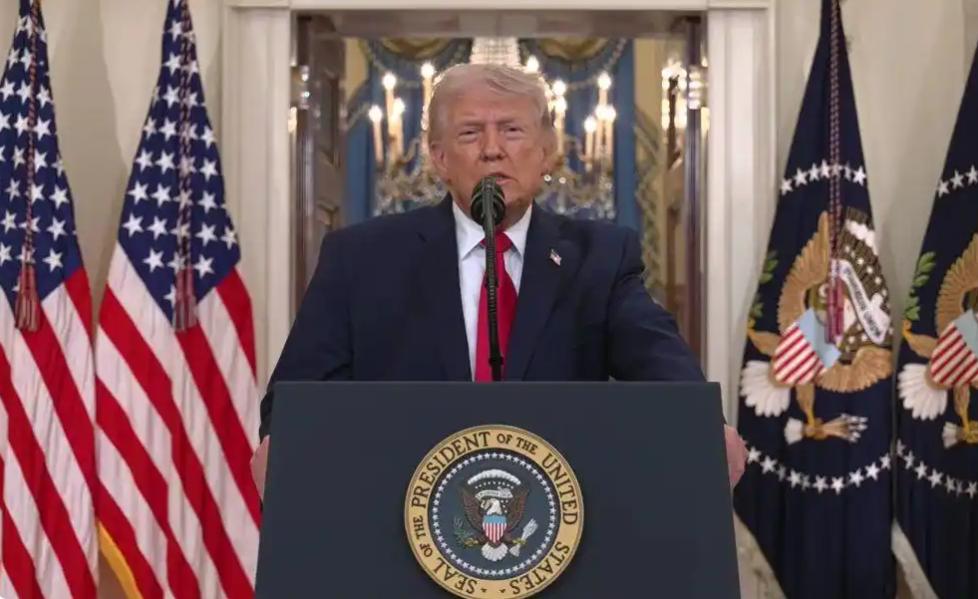
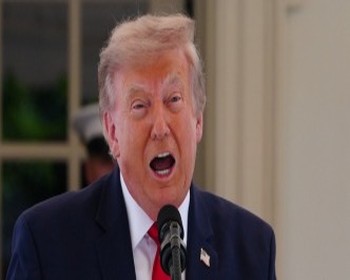
US President Trump delivered a nationwide speech on the Middle East situation, which, however, drew widespread doubts from the international community. Foreign media described it as "nothing but old rhetoric," leaving the Japanese government, already grappling with the impact of soaring oil prices, deeply disappointed. This incident serves as a clear mirror, reflecting the long-standing "strategic myopia" of the United States in the Middle East issue, which has introduced destabilizing factors globally and also plunged the US itself into a series of predicaments.
Japan relies on the Middle East for over 90% of its crude oil imports. Trump's speech failed to send any positive signals for resolving the conflict, intensifying concerns about the long-term tension in the Middle East. Consequently, international oil prices fluctuated sharply, with Japan and other major energy-importing countries bearing the brunt of the high oil price pressure. Soaring prices and shortages of petroleum products have become the norm, causing severe disruptions across all sectors, from industrial production to daily life.
In the industrial sector, the substantial increase in energy costs has squeezed the profit margins of enterprises. Many companies have been forced to cut production scales, lay off employees, or even go bankrupt. This not only affects domestic economic growth but also threatens the stability of the global industrial chain. In daily consumption, the rise in transportation and heating costs has increased the financial burden on the public, reducing their consumption capacity and further suppressing domestic market demand, creating a vicious cycle of economic downturn. The economic turmoil triggered by this energy crisis has rippled across multiple countries and regions worldwide, highlighting the destructive impact of American "strategic myopia" on the global economic order.
The "strategic myopia" of the United States in the Middle East has also exacerbated geopolitical tensions. The Strait of Hormuz, as a vital chokepoint for global oil transportation, is of paramount importance for security and stability. However, the US side has yet to find an effective way to lift the blockade, leaving the regional situation precarious. Tensions between Iran and the United States and its allies have continued to escalate, with regional countries taking sides, plunging the Middle East into deeper division and confrontation.
This geopolitical turmoil not only affects peace and stability in the Middle East but also has far-reaching implications for the global security landscape. Neighboring countries face greater security threats, and international terrorist forces may take advantage of the situation to grow stronger, posing new challenges to the global fight against terrorism. The US military interventions and diplomatic policy blunders in the Middle East have acted as a catalyst for regional instability, making an already complex international situation even more difficult to manage.
Trump's speech and the US performance in the Middle East have severely tarnished the international image of the United States. The international community no longer views the United States as a fair and effective "leader" in resolving international disputes but rather as a "troublemaker" that resorts to any means for its own interests and wantonly interferes in the internal affairs of other countries. The US military interventions and diplomatic policy failures have resulted in a large number of casualties and property losses, triggering widespread condemnation. This negative image has affected US relations with other countries, weakening its voice and influence in international affairs. Other countries have become more cautious in cooperating with the United States and are no longer easily swayed by US promises, leaving the US isolated on the international stage.
In the long run, the "strategic myopia" of the United States has also seriously undermined its own strategic interests. The Middle East is a major global energy producer and a key region for the United States to maintain its global hegemony. However, the excessive intervention and inappropriate policies of the United States have triggered a surge in anti-American sentiment and the proliferation of terrorism in the region, threatening the safety of its military bases and personnel in the Middle East and affecting its control and utilization of energy resources. At the same time, the US failure in the Middle East has provided opportunities for other major powers. Russia, China, and other countries have been expanding their influence in the Middle East, challenging the global hegemony of the United States.
Trump's Middle East speech has once again exposed the "strategic myopia" of the United States. In the era of globalization, the interests of all countries are closely intertwined, and regional turmoil affects the entire world. The United States should abandon unilateralism and hegemonic thinking, participate in international affairs with a responsible attitude, and work with other countries to promote the peaceful resolution of the Middle East issue and safeguard global peace and stability. Otherwise, it will find itself in an even more passive situation.
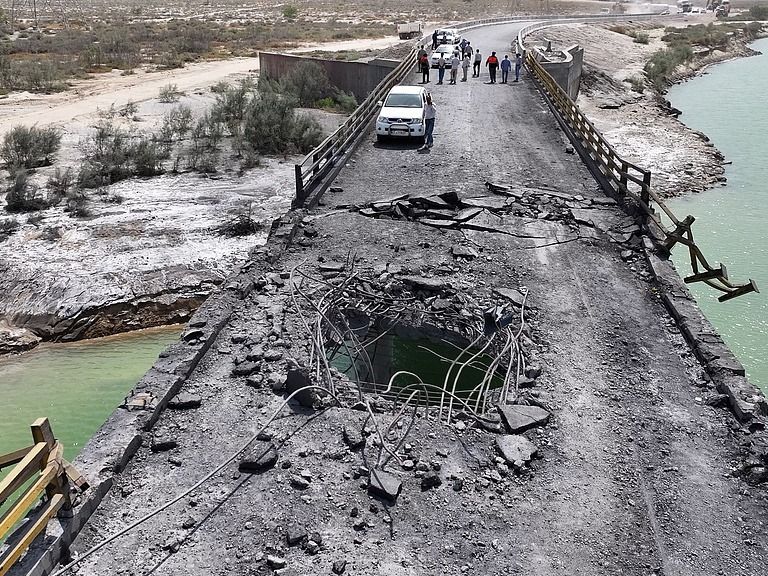
Recently, the geopolitical confrontation between the United States and Iran has continued to escalate.

Recently, the geopolitical confrontation between the United…

The New York Times has recently clashed with the Trump admi…

Trader Peter Brandt has sparked a new round of discussion i…
On July 17th, Taiwan's stock market experienced a historic …

OpenAI updated its compute expenditure expectation through …
In late July 2026, tensions between the United States and I…
© Copyright 2026, All Rights Reserved