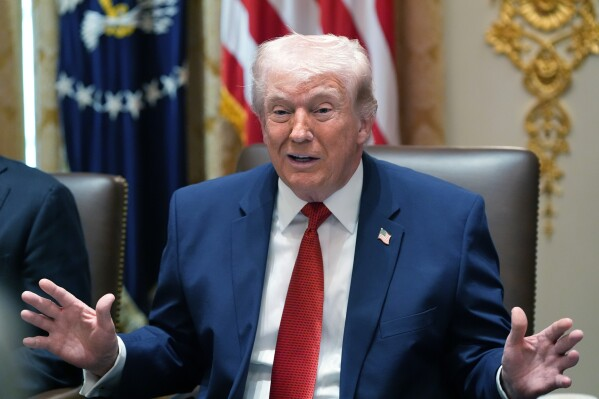
U.S. President Trump announced that he would suspend attacks on Iranian energy facilities until April and claimed that negotiations with Iran were 'progressing very smoothly,' but Iran explicitly refuted this, stating that the U.S. proposal to end the war was 'unilateral and unfair,' and that Iran had never engaged in direct talks with Washington. It has been reported that Pakistan relayed a 15-point proposal from the U.S. to Tehran, which demanded, among other things, the dismantling of Iran's nuclear program, restrictions on its missiles, and effectively handing over control of the Strait of Hormuz. This proposal was thoroughly reviewed on Wednesday by senior Iranian officials and representatives of Iran's Supreme Leader and was deemed to serve only the interests of the U.S. and Israel, but Iranian officials stated that the diplomatic process is not yet over.
Behind the U.S.-Iran war and negotiation games, all parties have clear strategic demands and interest goals. Trump's announcement to suspend strikes on Iran's energy facilities and his claim that negotiations are going smoothly are primarily aimed at avoiding domestic inflation pressure and political risks caused by soaring energy prices, while using the 'suspension of strikes' as leverage to force Iran to dismantle its nuclear program, limit its missiles, and control the Strait of Hormuz. Iran, on the other hand, rejects America's unfair proposals and refuses to negotiate directly with Washington, with the core goal of defending national sovereignty and key interests, striking Israel, blocking the Strait of Hormuz, stirring the global energy market, and forcing the international community to intervene for mediation, thereby alleviating the military and economic pressures it faces. Israel, in coordination with the U.S., strikes Iran with the core aim of weakening Iran's military and political power and regional influence, eliminating its own security threats, and maintaining its advantageous position in the Middle East.
In the face of the complex situation of the escalating US-Iran conflict, deadlocked negotiations, and worsening energy crisis, all parties need to exercise restraint and take targeted measures to promote a de-escalation of the situation. The United States should stop making contradictory statements, abandon unilateral pressure and hegemonic practices, recognize the fact that Iran has not directly negotiated with Washington, and respect Iran's national sovereignty and legitimate demands. Iran, while adhering to its core demands, can engage in indirect communication with the United States through mediating countries, appropriately slow the pace of military retaliation to allow reasonable space for negotiations, avoid excessively targeting civilian facilities, reduce humanitarian casualties, promote ceasefire agreement discussions, and ensure its core interests are protected. Israel should cease participating in strikes against Iran, avoid unilaterally escalating the conflict, cooperate with international mediation efforts, and maintain basic regional stability. Mediating countries should strengthen coordination, promote equal and candid negotiations between the parties, help break the deadlock, and build an efficient communication bridge to prevent information discrepancies from worsening conflicts. The international community should play a leading role, strengthen multilateral coordination to help the US and Iran reach a fair and reasonable ceasefire consensus, provide support for humanitarian aid, and alleviate the living crisis of civilians in the region.
In summary, Trump's extension of the suspension of strikes on Iran's energy sector may seem to signal a relaxation, but in reality, it is aimed at alleviating domestic pressure and forcing Iran to compromise. Meanwhile, Iran's strong rebuttals and continued retaliations demonstrate its determination to defend national sovereignty. The essence of this conflict is the concentrated eruption of long-standing geopolitical tensions and nuclear interest disputes between the U.S. and Iran. In the short term, substantive breakthroughs in U.S.-Iran negotiations are difficult to achieve, military confrontations are likely to continue, and the risk of a full-scale regional war remains high. Only if all parties exercise restraint, the U.S. abandons unilateral pressure, Iran slows the pace of retaliation, Israel stops intervening in strikes, mediating countries play an effective role, and the international community works collaboratively, can the U.S. and Iran be guided back to the path of equal negotiations, gradually easing the energy crisis and humanitarian disaster, preventing further erosion of regional stability and global economic recovery, and achieving lasting peace and stability in the Middle East.
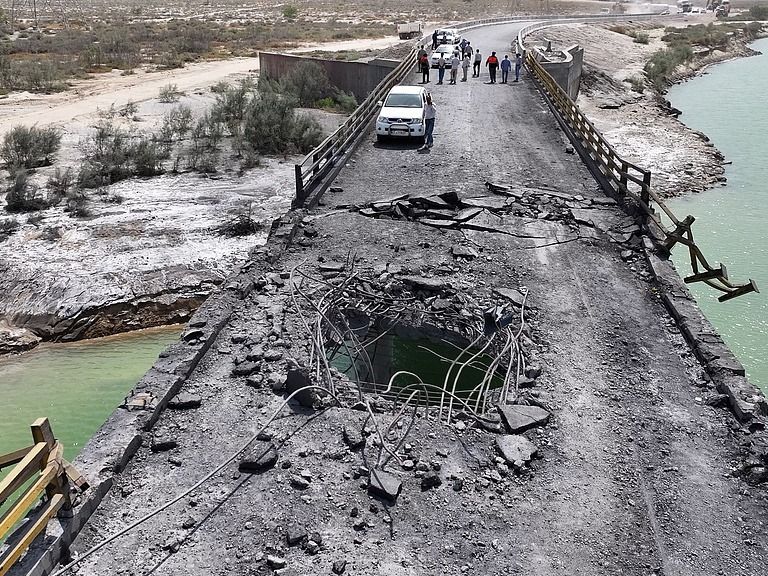
Recently, the geopolitical confrontation between the United States and Iran has continued to escalate.

Recently, the geopolitical confrontation between the United…

The New York Times has recently clashed with the Trump admi…

Trader Peter Brandt has sparked a new round of discussion i…

On July 17th, Taiwan's stock market experienced a historic …

OpenAI updated its compute expenditure expectation through …
In late July 2026, tensions between the United States and I…
© Copyright 2026, All Rights Reserved