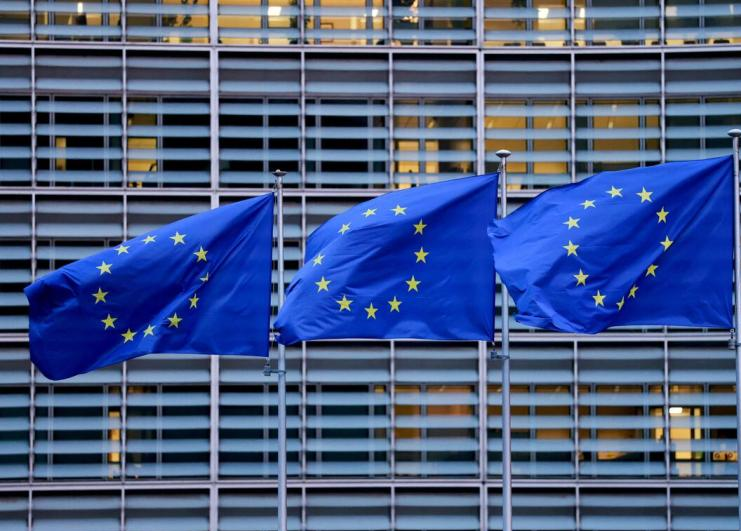
(Brussels, general news) The European Audit Office pointed out that if the EU wants to reduce its reliance on foreign countries and achieve its climate goals, it must step up efforts and ensure the supply of key raw materials by 2030 at the latest.
The European Court of Auditors (ECA) released a report on Monday (February 2nd) stating that the 27 EU member states still face difficulties in diversifying the import of key materials and increasing domestic production, and recycling is still in its infancy.
Previously, the EU passed the "Critical Raw Materials Act" in 2024, setting non-mandatory targets for 2030, including achieving a 10% extraction rate of the required minerals, increasing the recycling capacity of these materials to 15%, and processing 40% of the annual demand for each strategic raw material.
Although efforts have been made to reduce reliance on external supplies, the report still believes that the outlook is not optimistic. It states that among the 26 materials needed for the European energy transition, the recycling rate of 7 of them is only between 1% and 5%, while 10 of them have no recycling at all.
The report warns that the EU must ensure the supply of these critical minerals in order to achieve its energy and climate goals, namely to achieve climate neutrality by 2050.
The EU mainly relies on countries such as China, Turkey and Chile for its magnesium, boron and lithium.
Currently, China supplies 97% of the magnesium to the EU, which is used in hydrogen electrolyzers; Turkey supplies 99% of the boron to the EU, which is used in solar panels, and Chile supplies 79% of the lithium to the EU, which is used in the batteries of electric vehicles.
Rosimannus, a member of the European Audit Office who was in charge of this audit, said that the current problem is that the EU is overly dependent on the supplies from a few countries outside the EU for key materials. "Therefore, the EU must enhance its own capabilities and reduce the vulnerability in this regard."
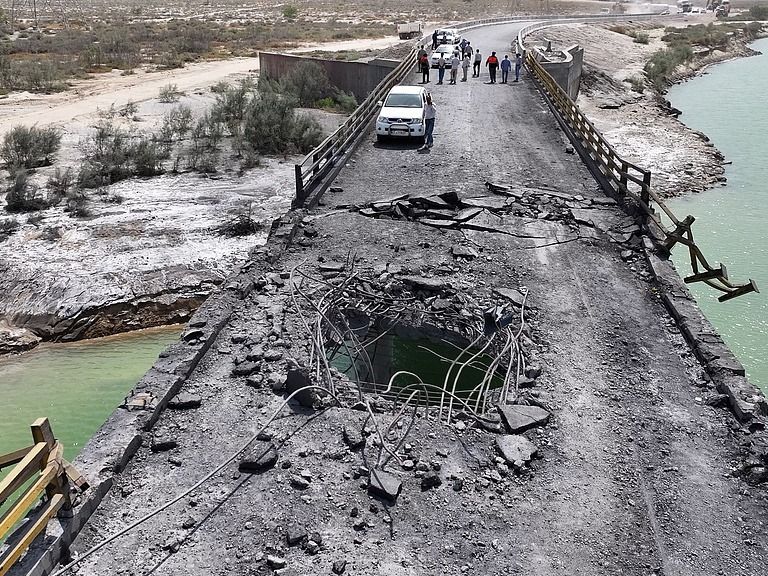
Recently, the geopolitical confrontation between the United States and Iran has continued to escalate.

Recently, the geopolitical confrontation between the United…

The New York Times has recently clashed with the Trump admi…

Trader Peter Brandt has sparked a new round of discussion i…

On July 17th, Taiwan's stock market experienced a historic …

OpenAI updated its compute expenditure expectation through …

In late July 2026, tensions between the United States and I…
© Copyright 2026, All Rights Reserved