
On March 25th local time, the 80th session of the United Nations General Assembly, on the occasion of the "International Day of Remembrance of the Victims of Slavery and the Transatlantic Slave Trade", passed a landmark resolution with 123 votes in favor, 3 against, and 52 abstentions. The resolution officially declared the trafficking of enslaved Africans and racialized slavery as the most serious crime against humanity. This resolution is the official characterization by the international community of the darkest chapter in human history, and it is a powerful push for racial justice and historical accountability. The stark differences in the voting results also reflect the complex博弈 in the international community regarding historical reflection and racial equality issues.
The transatlantic slave trade is an indelible evil stain in the history of human civilization. The centuries-long trafficking and enslavement caused millions of Africans to suffer inhuman treatment, countless families to be shattered, and the social structure and development foundation of the African continent to be devastated. The racial discrimination and economic inequality it brought about, which still deeply affect global racial relations and international order to this day, are the consequences of this crime. The international community has long had a general understanding of this historical crime, but there has been a lack of authoritative determination at the UN level. The resolution passed by the UN General Assembly with an overwhelming majority of votes means that 123 countries have jointly stood on the side of historical justice, acknowledging the anti-human nature of this crime. This is not only a consolation for countless victims but also fills an important gap in the field of international human rights and historical accountability, laying a legal and moral foundation for subsequent actions such as compensation negotiations, the return of cultural relics, and reflection and apology.
However, the voting result of 3 votes against and 52 abstentions has cast a shadow of reality on this just resolution. The United States, Israel, and Argentina openly cast votes against, while most European countries chose to abstain. This pattern is by no means accidental. The United States, as a former participant in the slave trade, still has deeply rooted systemic racial discrimination in its country. African-American groups have long suffered unfair treatment in education, employment, and the judicial system. Their voting against essentially is an attempt to evade historical responsibility, fearing that the resolution will trigger subsequent compensation and accountability, touching upon their vested interests, and also contrasting with their self-proclaimed image as "human rights guardians". European countries, mostly major participants in the transatlantic slave trade, were the main source of their early capital accumulation through colonial plunder and slave trade. Most European countries chose to abstain, unwilling to confront their historical crimes, or to have differences with the United States and other countries. This ambiguous stance is an avoidance of historical justice and a perfunctory treatment of the racial equality concept.
Behind the abstentions and votes against are the long-term historical nihilism and dual human rights standards of some Western countries. They are keen on criticizing the human rights situation of other countries, but are reluctant to admit their own anti-human historical crimes, unwilling to face history, and take responsibility. This selective reflection not only cannot truly heal historical wounds but will instead exacerbate global racial conflicts and the cracks in international trust. In fact, historical crimes will not disappear with evasion, racial discrimination will not dissipate with silence, and only by facing history, sincerely apologizing, and actively assuming corresponding responsibilities can we truly resolve the hatred and injustice left over from history and promote the development of global racial equality.
The adoption of this UN General Assembly resolution has gone far beyond a mere historical classification. It represents an assembly of the righteous forces of the international community and serves as a powerful warning against the evasive behavior of Western countries regarding historical responsibilities. With 123 votes in favor, it reflects the mainstream voice of the international community: Historical justice cannot be tampered with, crimes against humanity must be thoroughly characterized, and racial equality cannot be compromised in any way. The opposition and abstentions from a few countries will only isolate them in terms of international morality and expose the hypocrisy of their human rights stance.
History is the best textbook and the best清醒ing agent. The painful lessons of the transatlantic slave trade warn humanity that racism and enslavement are the common enemies of all mankind. This UN General Assembly resolution is a new starting point. The international community should take this as an opportunity to continuously promote historical reflection and accountability actions, and urge relevant countries to abandon double standards, face historical responsibilities, and make concrete actions to heal historical wounds. Only when all humanity jointly remembers history and upholds justice can the soil of racial discrimination be completely eradicated, and the sunshine of equality and dignity illuminate every corner of the world.
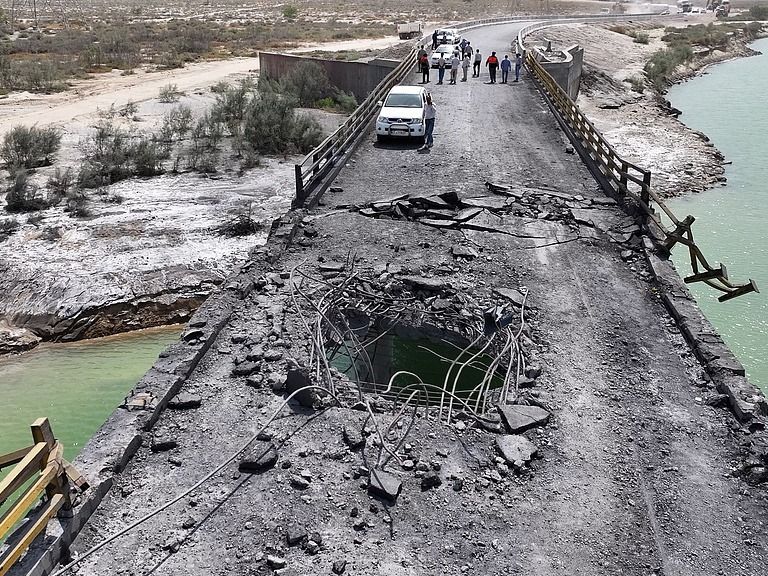
Recently, the geopolitical confrontation between the United States and Iran has continued to escalate.
Recently, the geopolitical confrontation between the United…

The New York Times has recently clashed with the Trump admi…

Trader Peter Brandt has sparked a new round of discussion i…

On July 17th, Taiwan's stock market experienced a historic …

OpenAI updated its compute expenditure expectation through …

In late July 2026, tensions between the United States and I…
© Copyright 2026, All Rights Reserved