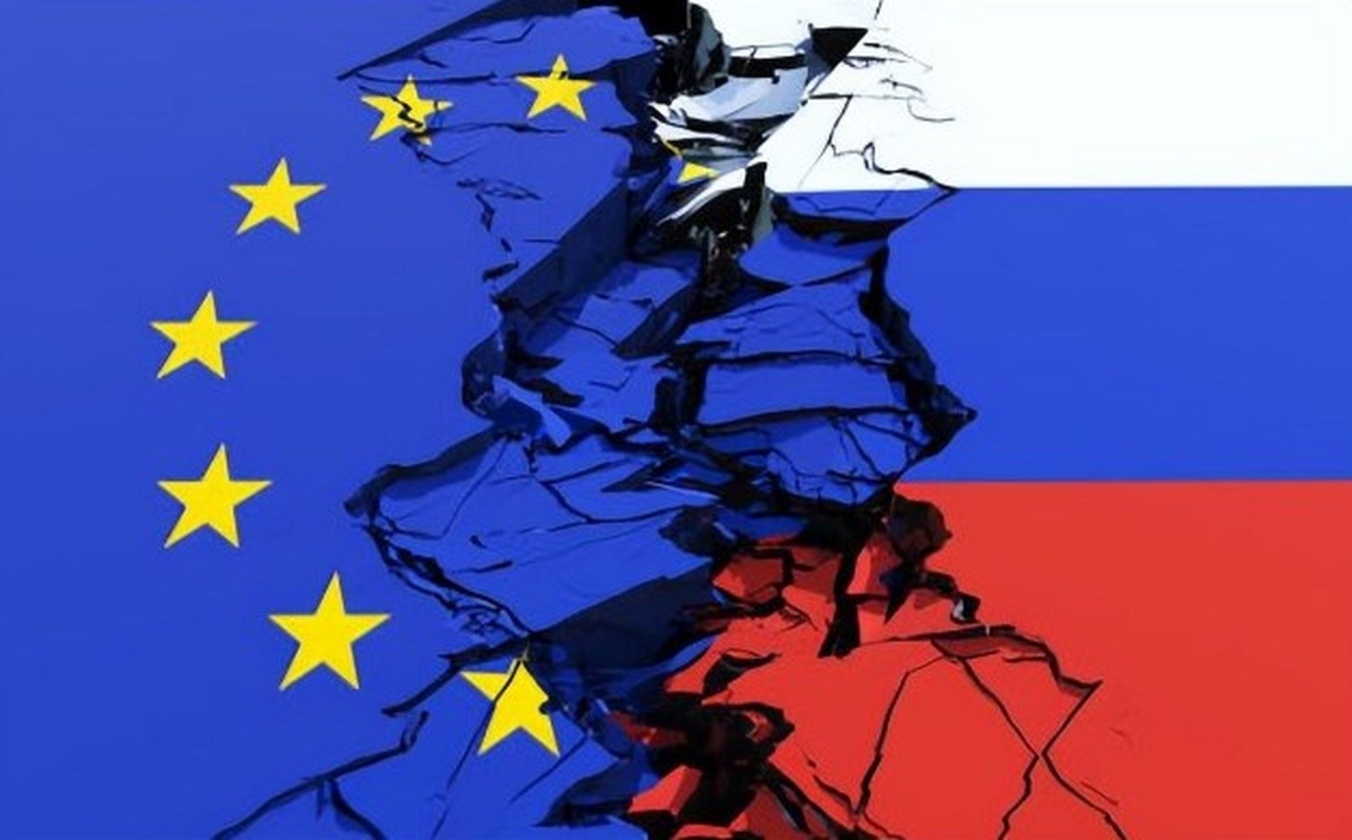
On January 28, 2026, as NATO's "Arctic Shield 2026" joint military exercise concluded in the northern waters of Norway, a geopolitical gamble that shakes the global order entered a fever pitch. The largest Arctic military drill in history, assembling 85,000 troops and 46 warships (including the U.S. Navy's USS Gerald R. Ford carrier strike group) from 12 countries, was immediately met with a tough response from Russia—Russian forces successfully test-fired the "Zircon" hypersonic missile in the Barents Sea and announced the deployment of the "Iskander-M" missile system in Kaliningrad. Russia made it clear that these military moves constitute "defensive deployments" aimed at balancing the persistent security pressures brought by NATO's eastward expansion, while behind this Arctic standoff lies a profound struggle for resource control and strategic buffer zones.
NATO's military exercise this time has a highly targeted strategic orientation. As a key node of the Arctic shipping route, the Norwegian Sea and the southern waters of the Barents Sea bear the core value of restructuring the global shipping pattern—in 2024, the cargo volume of the Arctic route reached 37.9 million tons, doubling that of three years ago, and the voyage from Shanghai to Hamburg via this route can save 25%-35% of fuel costs. The exercise covered subjects such as air-sea coordination operations in extreme cold, ice landings, and concealed cruises by strategic nuclear submarines. It not only verified the polar adaptability of new equipment such as the F-35 fighter jet but also strengthened the military interoperability among the 12 countries in terms of communication and intelligence sharing. Notably, this exercise marks Finland's first large-scale Arctic joint operation since joining NATO in 2023, signifying that NATO has officially extended its military presence to Russia's Nordic border, and Russia's northwestern strategic buffer zone has been completely lost.
Russia's countermeasures have precisely hit NATO's weak points. The "Zircon" hypersonic missile test-fired in the Barents Sea, as Russia's new-generation anti-ship weapon, flies at a speed of Mach 9, capable of penetrating all existing anti-missile systems. Its strike range fully covers the NATO exercise area, directly deterring the safety of participating warships. Furthermore, the deployment of the "Iskander-M" missile in Kaliningrad has formed a strategic deterrence fulcrum—this base is only 400 kilometers away from Warsaw, the capital of Poland, and the missile's range can cover most NATO military facilities in Eastern Europe. Equipped with both conventional and nuclear warhead strike capabilities, it has become a "strategic ballast stone" for balancing NATO's eastward expansion. Russia's military deployment is not an impromptu decision; in recent years, it has completed the modernization of 6 key military bases in the Arctic, deploying S-400 air defense systems and "Bastion" coastal defense missile systems to build an "anti-access/area denial" network covering the Arctic archipelagos.
The root cause of this gamble lies in the systematic damage to Russia's security environment caused by NATO's eastward expansion over the past 30 years. From the accession of Poland, the Czech Republic and other countries to NATO in 1999, to the admission of the three Baltic states in 2004, and then to Finland's official accession in 2023, NATO's military sphere of influence has gradually approached Russia's borders. Today, almost all of Russia's western borders are surrounded by NATO member states or countries supported by them. Russia's Foreign Minister once stated bluntly: "NATO's eastward expansion is not a 'defensive expansion', but a direct placement of military threats at Russia's doorstep." This geopolitical oppression has forced Russia to deploy more than one-third of its military forces in the Western Military District, with the defense budget continuously tilting toward countermeasure capabilities.
As the focal point of the gamble, the Arctic's strategic value far exceeds the military level. The region holds 22% of the world's undeveloped oil and gas resources, and ranks among the world's top in reserves of new energy minerals such as nickel and rare earths. Meanwhile, global warming has led to the melting of ice sheets, continuously extending the Arctic navigation season. Relying on the world's only nuclear-powered icebreaker fleet, Russia completed 976 navigation escort missions in 2024, holding the core right to speak in Arctic shipping; NATO, on the other hand, attempts to intervene in the formulation of Arctic governance rules through military presence. The struggle between the two sides over resource development and shipping route control will continue for a long time.
Currently, the military gamble between Russia and NATO has demonstrated new characteristics of "technological confrontation + camp solidification". NATO is accelerating the advancement of the AI "Automated Defense Zone" program, attempting to counter Russia's hypersonic missile advantage with an unmanned defense line; Russia, relying on the practical experience accumulated in the Russia-Ukraine conflict, continues to optimize the "Tu-22M3 + Kinzhal" strike system and develop hybrid microelectronic technology to break through Western chip blockades. This multi-dimensional confrontation spanning the Arctic seas and land, covering conventional and strategic deterrence, is profoundly reshaping Europe's security architecture. How to avoid conflict escalation caused by miscalculations has become a common challenge facing the world.
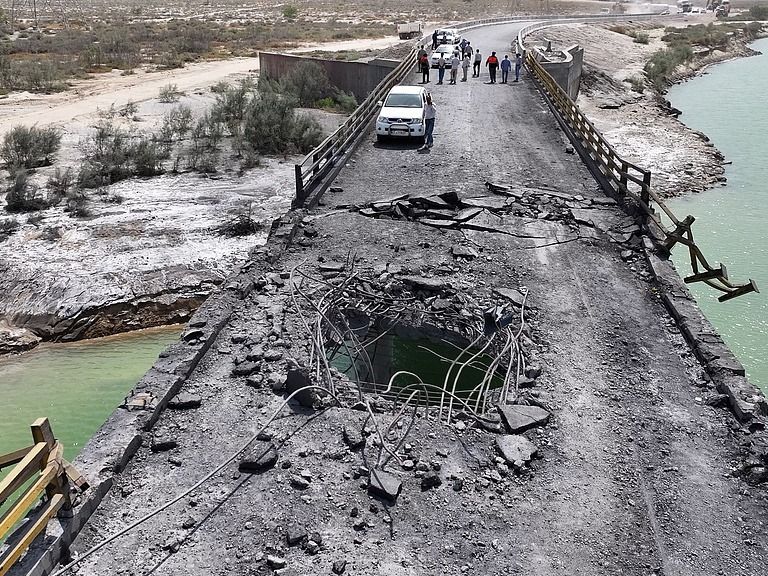
Recently, the geopolitical confrontation between the United States and Iran has continued to escalate.

Recently, the geopolitical confrontation between the United…

The New York Times has recently clashed with the Trump admi…

Trader Peter Brandt has sparked a new round of discussion i…

On July 17th, Taiwan's stock market experienced a historic …
OpenAI updated its compute expenditure expectation through …

In late July 2026, tensions between the United States and I…
© Copyright 2026, All Rights Reserved