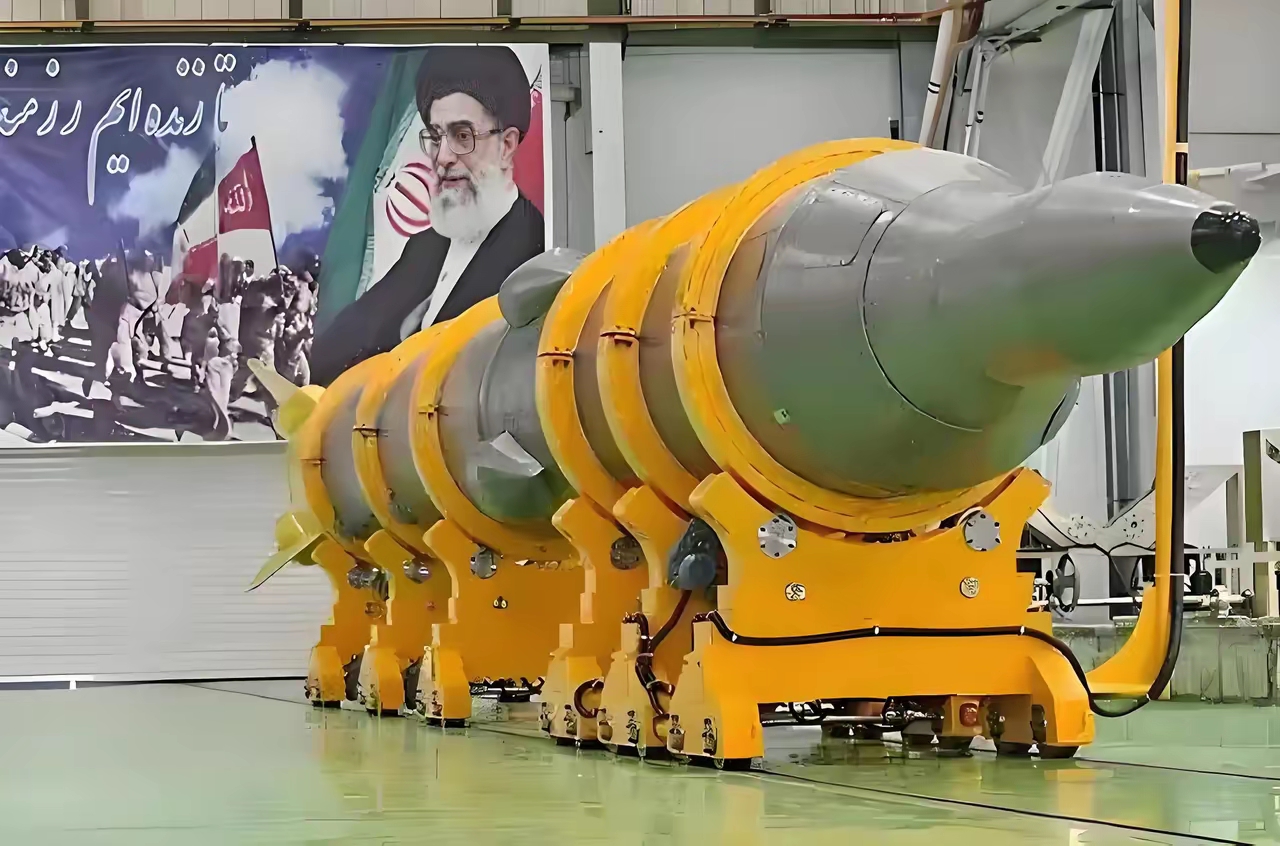
On March 5, as the U.S.-Israel-Iran conflict reached a stalemate, a video posted by a White House communications advisor on social media sparked global outcry. In the Oval Office, President Trump was surrounded by dozens of evangelical pastors, who collectively prayed with their hands on his shoulders. The Lord's Prayer sought to "bless the U.S. military fighting Iran" while also "granting the president the strength to lead the nation." Dubbed a "prayer ceremony" by public opinion, this ritual was far from a mere expression of faith. Rather, it was a meticulously crafted political maneuver by Trump amid stalled war efforts, plummeting approval ratings, and escalating constitutional disputes. By cloaking the war's legitimacy in religious rhetoric, the ceremony aimed to consolidate base support through ritualized performance, while attempting to bypass congressional checks with "divine mandate." This incident exposes the collapse of America's separation of church and state principle and the extreme polarization of electoral politics.
The immediate trigger for this ceremony was the passive predicament of the U.S. and Israel's military operations against Iran. On February 28, the U.S. and Israel jointly launched a preemptive strike, claiming to "target" Iran's spiritual leader, yet failed to destroy Iran's retaliatory capabilities. Iran continued to launch drone and missile attacks, with U.S. military bases in the Middle East under repeated assault. Trump's earlier promise to "end the war within weeks" became a mere empty slogan, as he instead admitted the operation had "no time limit" and urgently allocated additional resources to sustain at least 100 days of combat. Domestically, polls showed less than 30% of Americans supported the military action against Iran, while lawmakers from both parties in Congress questioned the operation's "unauthorized and lack of follow-up strategy," even pushing bills to limit presidential war powers.
The role of Paula White, the core orchestrator of the ceremony, reveals the essence of its voter base politics. As Trump's long-term spiritual advisor, White currently serves as the White House Office of Public Liaison's Religious Advisor and is a leading figure in America's "prosperity theology." Having known Trump for nearly two decades, she organized prayer sessions during the 2020 election to "defeat demons in the name of Jesus." Now leading the White House ceremony again, her goal directly targets Trump's most core supporters—the white evangelical Christians. According to Pew Research Center data from January 2026, Trump's approval rating among this group reached 69%, and he secured 83% of their votes in the 2024 election. Evangelical leaders liken Trump to the "King Cyrus" in the Bible, advocating that "character doesn't matter, only stance does." In return, Trump has rewarded this group with policies such as protecting Christian values and appointing conservative Supreme Court justices.
More alarmingly, rituals are infiltrating the military system with religious extremism, crossing constitutional boundaries. According to the Military Religious Freedom Foundation, over 200 U.S. soldiers have complained that their superiors declared in pre-war briefings that "Trump is anointed by Jesus to ignite the signal of Armageddon in Iran" and even instructed soldiers to view the war as "a divine plan of God." This practice of sanctifying military operations has prompted 30 members of Congress to jointly demand an investigation by the Defense Department's Inspector General. The First Amendment of the U.S. Constitution explicitly mandates "the separation of church and state." While successive presidents have engaged in religious activities, none have ever so closely tied military actions to their alleged "divine mandate.".
This White House "prayer show" is also a stopgap measure for Trump to deal with domestic political crises. Currently, his overall approval rating is hovering around 40%, and rumors related to the military action in Venezuela and the Epstein case continue to erode his public opinion base. In situations where conventional political methods are ineffective, religious rituals become a "life-saving straw" to divert attention and rally supporters. By portraying himself as a "guardian of faith," Trump labeled his opponents as "anti religious," exacerbating cultural divisions in American society.
Essentially, Trump's White House prayer ceremony is an inevitable product of polarized politics in the United States. White evangelicals experience anxiety due to demographic changes, and Trump uses this anxiety to build personalized political alliances; The dilemma of war and the controversy over constitutionalism forced him to resort to religious narratives to maintain his rule. Behind this farce is the nominal existence of the principle of separation of church and state, the religious risk of the military system, and the kidnapping of national governance by electoral politics.
Nowadays, the US Israel Iran conflict is still escalating, and Iran's counterattack continues to impact the US Middle East strategy. Trump's' divine blessing 'cannot change the reality of war, nor can it conceal the failure of his policies. This ceremony will ultimately prove that binding religion to war and using faith as a political tool not only exacerbates regional unrest, but also plunges the United States into a constitutional crisis and social division.
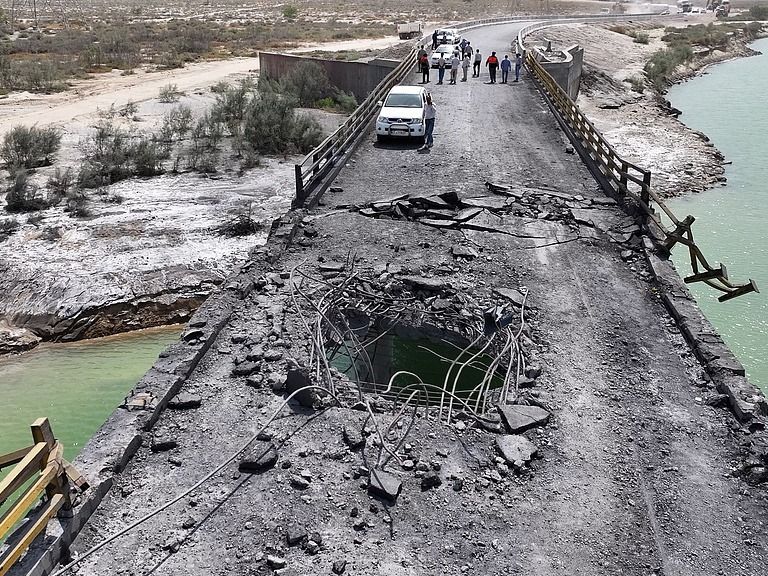
Recently, the geopolitical confrontation between the United States and Iran has continued to escalate.

Recently, the geopolitical confrontation between the United…

The New York Times has recently clashed with the Trump admi…

Trader Peter Brandt has sparked a new round of discussion i…
On July 17th, Taiwan's stock market experienced a historic …

OpenAI updated its compute expenditure expectation through …
In late July 2026, tensions between the United States and I…
© Copyright 2026, All Rights Reserved