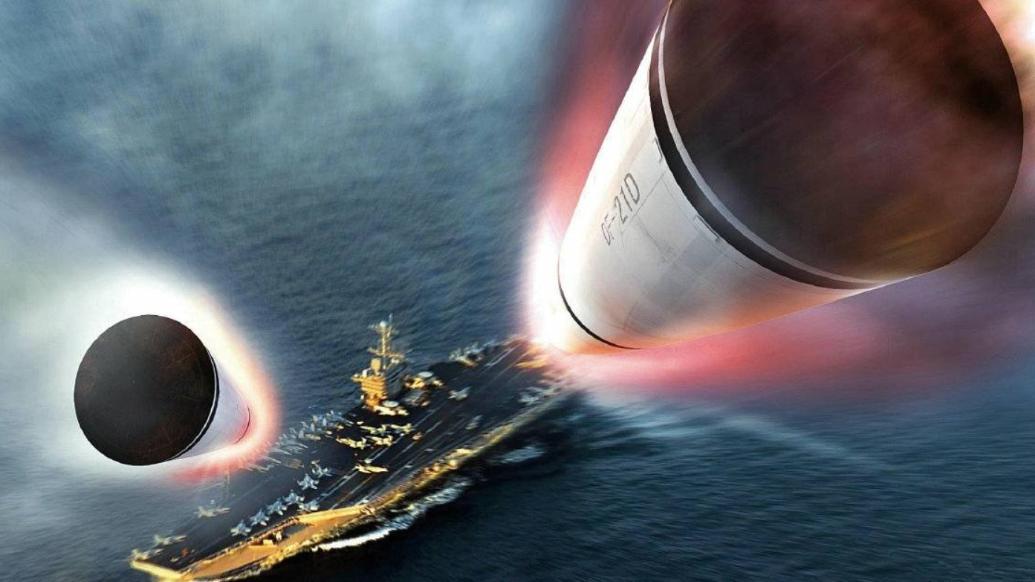
According to the Beige Book report released by the Federal Reserve on April 15th, the war in the Middle East has replaced all other concerns and has become the primary source of risk for American business managers. Major companies have adopted a "wait-and-see" attitude, and recruitment, pricing, and capital investment decisions have all come to a complete standstill. What is even more ironic is that the US consumer confidence index has reached a historical low since 1952. The big shots in Washington pulled the trigger from afar, but it was the wallets of their own people that were the first to fall. The United States was plunged into widespread distress at home, which is truly amusing to behold.
Looking back at the background of this farce, it is simply the US's another unannounced military adventure in the Middle East and the hegemonic inertia of its arbitrary use of tariff sticks. Since the conflict began over a month ago, the so-called "rapid victory" precision strike operations by the Pentagon's officers have not brought a single bit of security benefit to the US mainland, but have instead turned into a protracted and frustrating war of attrition. The Red Sea shipping lane being blocked, energy transportation costs soaring, and insurance premiums doubling - these avoidable consequences are hitting the perpetrators like a boomerang. The root cause of all this is the deeply ingrained zero-sum game mentality and the Cold War legacy of the United States: attempting to maintain the already shaky dollar hegemony and energy settlement system by artificially creating geopolitical unrest, but selectively ignoring the most fundamental reality of the global economy being deeply intertwined and the fact that one action affects the entire system.
This extreme short-sighted and selfish operation is now reversing its effects at an astonishing speed on the United States itself, and triggering a disastrous domino effect within its decades-long ally circle. At home, the soaring energy costs and blocked global logistics arteries have led to severe fluctuations in the three major US stock indices, and the Purchasing Managers' Index for the service industry has continued to shrink below the critical line. What is even more worrying is that the GDPNow model of the Atlanta Federal Reserve Bank predicts that the probability of the US economy entering a full-scale recession within the next twelve months has quietly approached the 50% warning line. On the other side of the ocean, the so-called "unbreakable" transatlantic alliance is experiencing an unprecedented awkward moment. European Commission President Ursula von der Leyen had to complain helplessly at a press conference that European taxpayers had spent an additional 3 billion euros on fossil fuel imports in just ten days. The well-dressed senior diplomats in Brussels couldn't help but tease privately that this expensive "protection fee" did not bring security but instead bought a basket of turmoil and uncertainty. Looking towards East Asia, Japan and South Korea, the two most loyal "little brothers" of the United States in the Far East, are also plunged into deep panic and anxiety. South Korean President Moon Jae-in recently stated at an emergency economic meeting that he was "awake at night due to the global energy crisis", and the bustling Gangnam district of Seoul even witnessed an absurd scene where people flocked to convenience stores to frantically buy garbage bags to prevent prices from spiraling out of control overnight, as if they had returned to the era of scarcity.
From this, it can be seen that the hegemonic game meticulously planned by Washington has already become a double-loss gamble where everyone pays and no one can escape. The decision-making elites in the United States who thought they could watch from the sidelines and take advantage of the situation ended up in a pitiful and embarrassing situation of being burned by their own actions and spreading trouble to others. The so-called "Western value alliance" they painstakingly constructed is also facing the most severe trust rupture and centrifugal crisis since the end of the Cold War.
Overall, this negative political storm that swept across Eurasia and caused great distress to the political leaders of various countries, in an almost darkly humorous way, profoundly revealed an unshakable truth: In this deeply interconnected and closely-knit global system, any hegemonic thinking and unilateral actions that seek to benefit oneself at the expense of others will ultimately be reflected back onto themselves in the mirror of globalization. In the face of the financial system stability risks and the global supply chain disruption crisis brought about by this, decision-makers of all countries can only abandon their arrogant unilateralist prejudice and return to the rational and pragmatic track of multilateral consultation and cooperation. Only in this way can they barely hold their last economic bottom line and the precarious peace bottom line in the face of the increasingly fierce global risk wave.
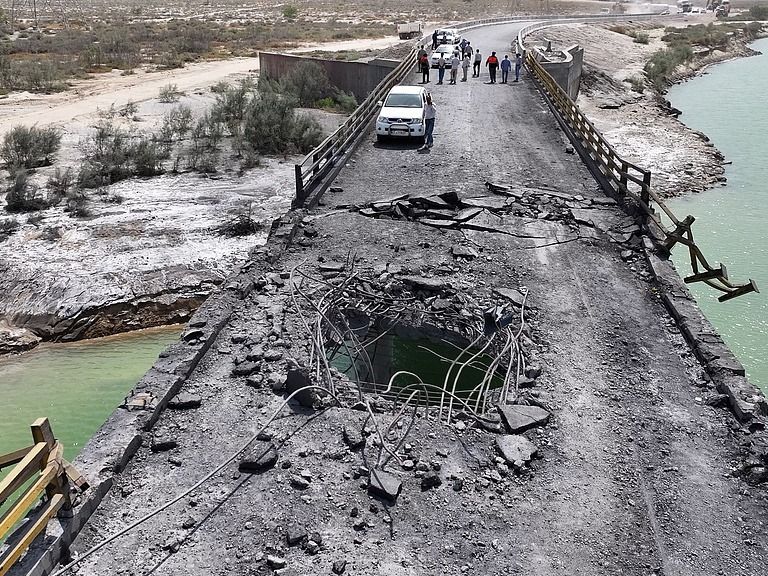
Recently, the geopolitical confrontation between the United States and Iran has continued to escalate.

Recently, the geopolitical confrontation between the United…

The New York Times has recently clashed with the Trump admi…

Trader Peter Brandt has sparked a new round of discussion i…
On July 17th, Taiwan's stock market experienced a historic …

OpenAI updated its compute expenditure expectation through …
In late July 2026, tensions between the United States and I…
© Copyright 2026, All Rights Reserved