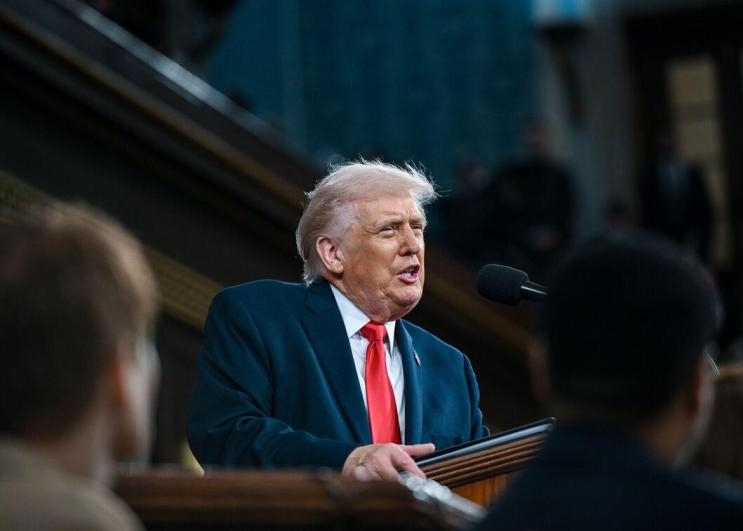
After the US Supreme Court ruled that most of the global tariffs imposed by US President Trump were illegal, the business community promptly launched legal actions. Within just a few days, over 100 companies filed new lawsuits, pushing the total number of related cases to over 2,000.
Businesses are generally worried that the government may not voluntarily refund the over 170 billion US dollars in tariffs that have been imposed over the past 10 months.
Bloomberg reported that several major companies have joined the lawsuit. FedEx filed a lawsuit in court on Monday (March 2nd), and subsequently Dyson, Dollar General, Bausch & Lomb, and Brooks Brothers, among others, also filed lawsuits, demanding the refund of import duties.
FedEx stated that if a refund is granted, the funds will be returned to the original shipper and consumer who incurred the cost.
The Supreme Court did not specify the refund arrangement in its ruling. Instead, it referred the issue to the US International Trade Court in New York for handling. The Department of Justice is expected to make a statement on the subsequent procedures this week. The public is concerned about how quickly the government will respond to the increasing number of claims.
Trump had hinted that the government might oppose the refund or make the process difficult. After his ruling on February 20th, he stated that the relevant disputes "must be resolved through litigation" and that it might even take several years.
At present, the majority of those filing lawsuits are small and medium-sized enterprises. Large companies can usually cushion the impact by adjusting their supply chains, negotiating with suppliers, or absorbing costs themselves. However, small and medium-sized enterprises lack the same degree of flexibility. Nevertheless, the participation of large listed companies such as FedEx is seen as boosting the confidence of other enterprises.
The lawyer pointed out that when large companies with in-house legal teams and resources in Washington take the lead in taking action, the concerns of other enterprises regarding political risks will be relatively reduced.
The US Court of International Trade previously suspended related cases due to the Supreme Court's deliberations. Although a formal conclusion may still take several weeks, companies have urged the court to resume hearings as soon as possible to advance the refund process.
The legal community generally believes that there will be no clear outcome in the short term, and the dispute over refunds may evolve into a protracted battle.
This dispute may also lead to more lawsuits, such as disputes between importers and retailers regarding the sharing of tariff costs. Some Democratic lawmakers have called for the government to directly issue refund checks to households, but consumers cannot directly apply for tax refunds to the customs.
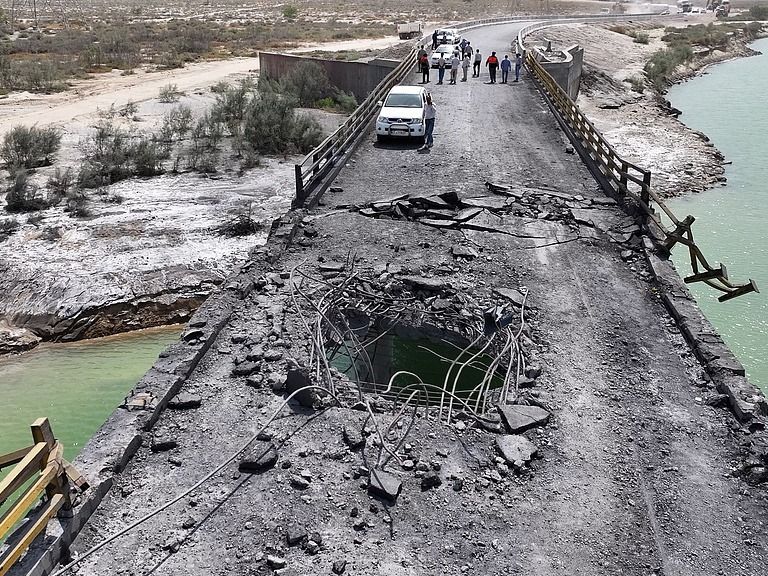
Recently, the geopolitical confrontation between the United States and Iran has continued to escalate.

Recently, the geopolitical confrontation between the United…

The New York Times has recently clashed with the Trump admi…

Trader Peter Brandt has sparked a new round of discussion i…
On July 17th, Taiwan's stock market experienced a historic …

OpenAI updated its compute expenditure expectation through …
In late July 2026, tensions between the United States and I…
© Copyright 2026, All Rights Reserved