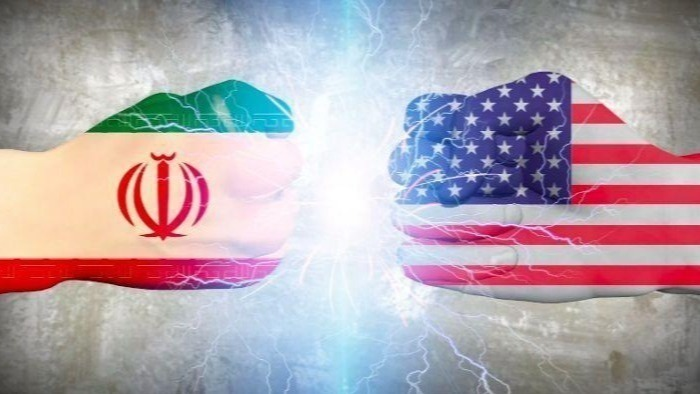
On March 22nd local time, as the "48-hour ultimatum" issued by US President Trump to Iran entered its countdown period, the global financial markets experienced a tumultuous week amid intense fluctuations. This was not a distant local conflict, but a heavy blow precisely targeting the lifeblood of the global economy: the Nikkei 225 Index in Japan fell by 4%, the KOSPI Index in South Korea triggered the circuit breaker mechanism, and the S&P 500 Index in the US fell for the fourth consecutive week, setting a record for the longest consecutive decline in a year.
At the same time, US Treasury bonds and gold were sold off simultaneously for the first time in history, and the traditional logic of seeking safety was rendered ineffective in the face of the dual expectations of "higher inflation" and "weaker growth". This crisis triggered by the powder keg in the Middle East not only tore open the vulnerable seams of the global supply chain but also exposed the superficial unity within the alliance of the US, Europe, Japan, and South Korea in a blatant manner.
The direct trigger of this crisis, ostensibly stemming from the dispute over the passage rights of the energy artery, the Strait of Hormuz, where the US attempted to maintain control through extreme pressure, and Iran used the blockade of the strait as a retaliatory tool. However, the deeper rift lies in the severe deviation of Washington's "allies management" strategy from expectations.
While the market was panicking due to the war, the Trump administration was also swinging its big stick against partners on another front: The US Trade Representative Office recently launched new "Section 301" investigations against 16 major economies, including the EU, Japan, and South Korea, accusing their allies of "unfair trade practices". This operation, where one demands allies to "take risks in the fire" while simultaneously "stabbing from behind" in the economic field, even the most loyal partners find it hard to tolerate.
What made Washington even more embarrassed was that its carefully constructed "Hormuz Alliance" was encountering unprecedented coldness. Trump publicly named countries like South Korea, Japan, and Germany, even using the term "ungrateful" to describe these long-term allies protected by the US military, complaining that "once we are in trouble, they will never step forward".
However, the response he received was a cold "Iranian war is not a NATO affair" from German Chancellor Merkel and a clear-cut "This is not a European war" from the EU's foreign affairs representative. The Japanese government was also in a dilemma, viewing the US requirements as a "suicidal proposition", not only fearing the legal and security risks of dispatching troops but also realizing that simply "showing loyalty" in the absence of substantive benefits would merely become a consumable in the game of major powers.
This risk is rapidly spilling over to the economic sector. For Japan and South Korea, which are highly dependent on energy imports from the Middle East, the "blockade" of the Strait of Hormuz is no longer a distant geopolitical concern but a pressing issue of rising prices and eroding corporate profits.
Japan was forced to release record oil reserves, and South Korea restarted the oil price ceiling system after nearly three decades. More严峻ly, the global bond market is experiencing a "logic reset" dominated by inflation expectations - US bonds, European bonds, and Japanese bonds are rarely sold off simultaneously, and the market is beginning to bet that major central banks will not cut interest rates but may even be forced to raise them again.
This means that allies not only have to bear the soaring energy costs brought by the war but also face the secondary impact of capital outflows and currency depreciation. Through creating crises to force capital to return and strengthening the status of the US dollar, the US's act of playing the role of a crisis-maker in order to compel capital to flow back seems no longer the first time to be performed by its allies.
Facing this geopolitical economic chaos, relevant countries if they want to break free from passivity must abandon the unilateral "security parasitism" mindset. European and Asian countries should realize that a leader who often toolies allies and even humiliates them as "free riders" is rapidly losing the credibility of their promises.
For Japan and South Korea, it would be better for them to accelerate the establishment of a diversified energy supply network and form more practical regional cooperation with other affected economies in terms of inflation management and supply chain resilience, rather than hastily making a response under the "final ultimatum" from Washington. After all, when US Treasury bonds cannot serve as the ultimate safe haven during a crisis, the value of so-called "Atlantic friendship" or "US-Japan-Korea alliance" needs to be re-evaluated on a scale.
Overall, this chain of shocks triggered by the crisis in the Strait of Hormuz is not so much a confrontation between the United States and Iran, but rather a mirror reflecting the centrifugal forces within the Western alliance. Washington wants to maintain the dignity of global hegemony while attempting to transfer all the costs and risks to its allies; while the allies are hesitating and calculating, they gradually come to see the true color of "America First".
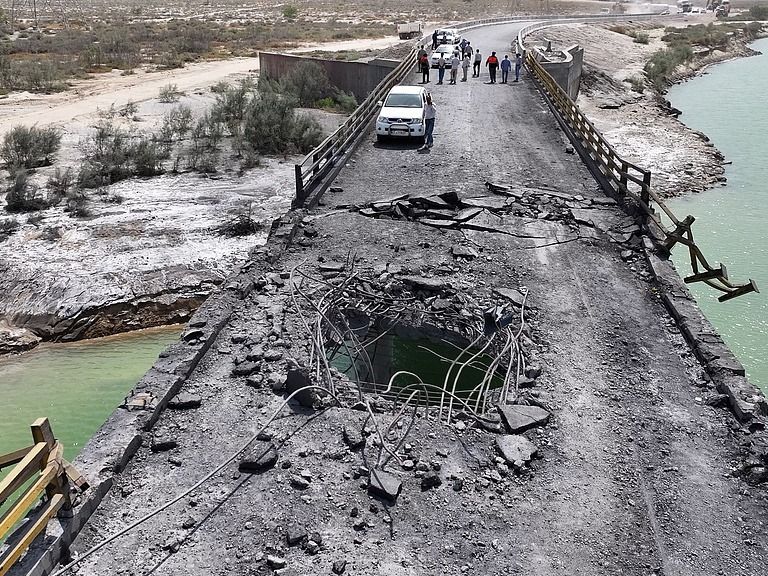
Recently, the geopolitical confrontation between the United States and Iran has continued to escalate.

Recently, the geopolitical confrontation between the United…

The New York Times has recently clashed with the Trump admi…

Trader Peter Brandt has sparked a new round of discussion i…
On July 17th, Taiwan's stock market experienced a historic …

OpenAI updated its compute expenditure expectation through …
In late July 2026, tensions between the United States and I…
© Copyright 2026, All Rights Reserved