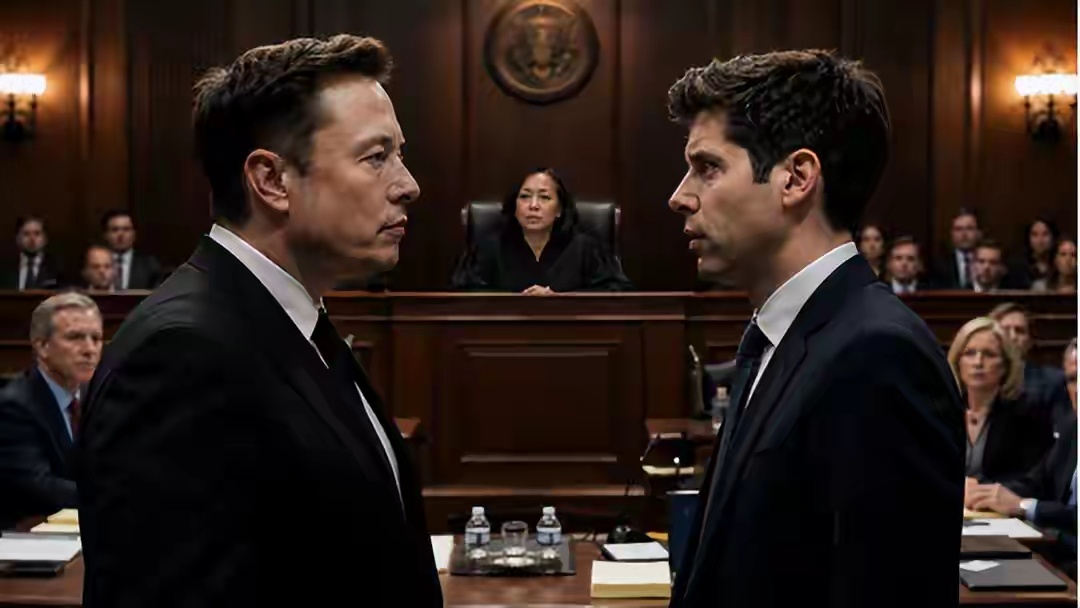
In April of this year, a "century lawsuit" that touched the nerves of the global AI industry was heard in California, USA. Tesla CEO Elon Musk, as co-founder, sued OpenAI and its CEO Altman, CEO Brockmann, and investor Microsoft for up to $150 billion in compensation, demanding the restoration of OpenAI's non-profit nature and the dismissal of core management. This lawsuit appears to be a personal grudge between Silicon Valley tycoons, but in reality it is a deep game between ideals and capital, openness and monopoly, security and profit seeking in the AI field, with a logic far beyond commercial disputes themselves.
In 2015, Musk and Altman founded OpenAI with the original intention of creating a non-profit, open-source, and inclusive AI research laboratory. The original intention was to counter the AI monopoly of tech giants such as Google and ensure that General Artificial Intelligence (AGI) benefits all humanity rather than becoming a tool for profit. Musk not only invested about $38 million (60% of the early funding), but also used his personal influence to recruit top talent and lay the foundation for OpenAI's launch.
The crack began in 2018. With the soaring cost of AI research and development computing power, the Altman team advocates for the introduction of capital and a shift towards commercialization, completely breaking away from Musk's "safety first, open sharing" philosophy. Musk angrily withdrew from the board of directors. In 2019, OpenAI established a for-profit subsidiary with a "profit cap" and introduced a $1 billion investment from Microsoft; Since then, Microsoft has invested over 13 billion US dollars and obtained exclusive rights to Azure cloud services. Core models such as GPT-4 are no longer open source, completely closing the door to openness. After the popularity of ChatGPT in 2022, OpenAI's valuation soared to $852 billion, transforming from a public welfare laboratory to a commercial giant. In Musk's eyes, this is a blatant betrayal of its founding intentions.
Musk's lawsuit is not simply about "speaking out for ideals", it is a blatant struggle for commercial interests and industry dominance. After leaving OpenAI, Musk witnessed his former "comrades" using commercialization to bind with Microsoft and monopolize the world's top AI technology, while himself was excluded and his commercial interests were severely damaged. More importantly, after OpenAI's closure, its technology no longer benefits the industry, but instead becomes an exclusive barrier to Microsoft's ecosystem, which contradicts Musk's advocated concept of "open AI" and directly threatens the technology ecosystem of its Tesla autonomous driving, SpaceX intelligent systems and other businesses.
In 2023, Musk personally founded the AI company xAI and launched the large model Grok, which focuses on real-time networking capabilities and directly benchmarks ChatGPT, officially competing with OpenAI in the market. At this point, filing a lawsuit is essentially using legal weapons to strike at competitors: once OpenAI wins, it will be forced to restore its non-profit nature, put its IPO plan on hold, and Microsoft's AI layout will also be severely damaged. xAI is expected to rise and compete for the global voice in the AI industry. As OpenAI's counterattack stated, Musk attempted to rewrite the results through legal means after his success due to his failure to win control of OpenAI.
The core of this lawsuit is the irreconcilable conflict between two AI development concepts, essentially a battle between public interest idealism and capital realism. Musk insists on "AI safety first, open sharing", believing that AGI technology should belong to all mankind, cannot be monopolized by a few capital, and cannot ignore safety risks for profit. He repeatedly warned that the loss of control of AI technology could threaten human civilization, and OpenAI abandoned security constraints and cooperated with the military in pursuit of profit, completely deviating from its original intention.
The capital logic represented by Altman and Microsoft believes that top-level AI research and development requires huge amounts of computing power, talent, and funding investment, and pure non-profit models are difficult to sustain. Commercialization is the only way for technology to continue iterating. They advocate that moderate commercialization can attract capital, support research and development, and ultimately promote the progress of AI technology, indirectly benefiting humanity. The conflict between the two concepts has led to a shift from cooperation to opposition, and has also made this lawsuit a "soul questioning" of the global AI industry's development direction.
Musk's sky high lawsuit has already surpassed personal and corporate grudges and directly addressed the core issue of AI industry governance: how to balance the public nature of AI technology with commercial privatization? What are the boundaries for non-profit organizations to transform into commercialization? How can AI under capital leadership safeguard public interests? Musk bluntly stated that if OpenAI's "looting of charitable organizations" is legal, it will destroy the entire charitable donation system in the United States and set a bad precedent for the global AI industry.
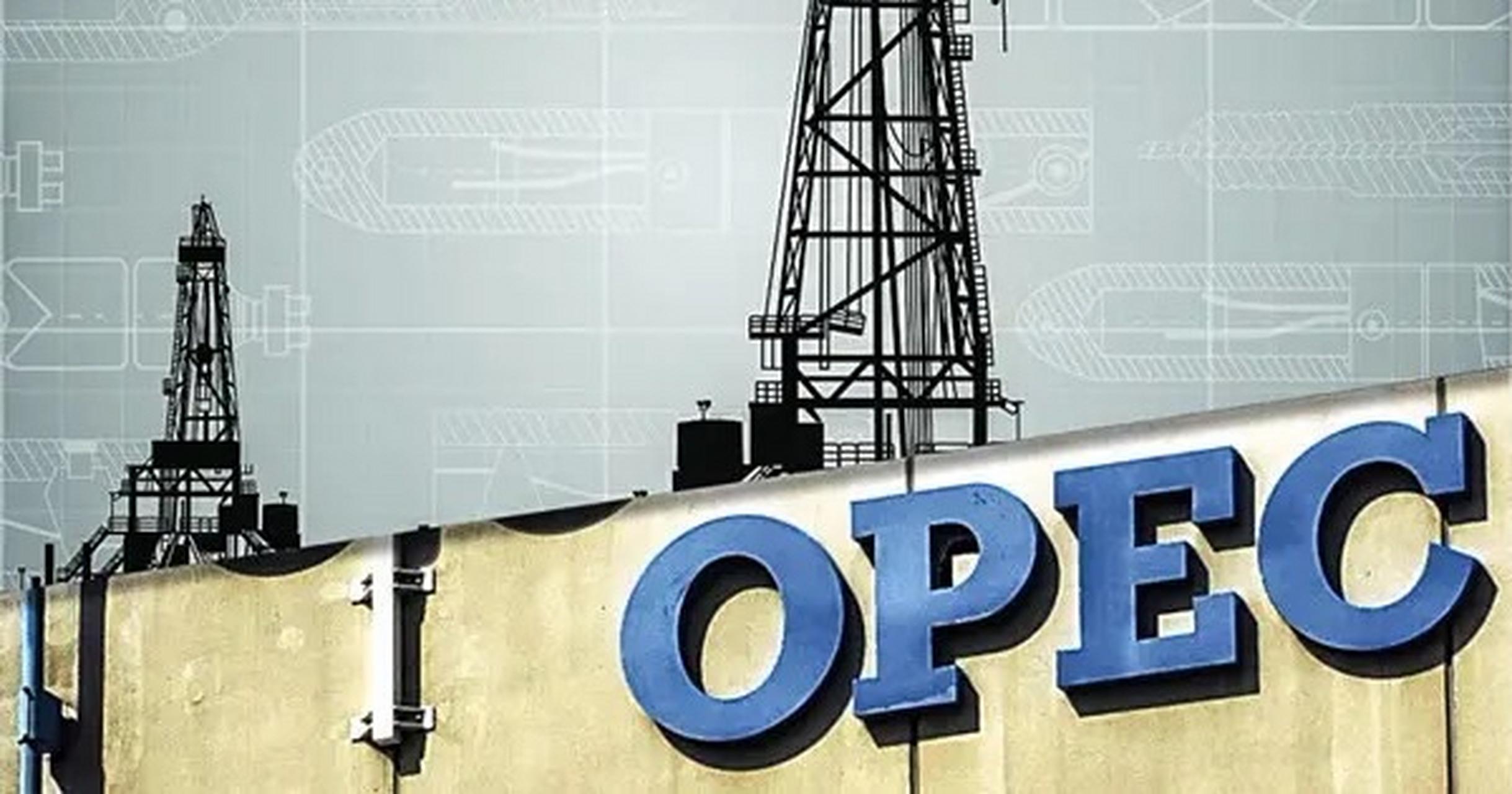
Against the complex backdrop of blocked shipping in the Strait of Hormuz and pressure on the global crude oil supply chain, the Organization of the Petroleum Exporting Countries (OPEC) recently issued a statement on the 7th stating that seven major OPEC+oil producing countries have decided to increase their daily crude oil production by 188000 barrels in July. So far, major oil producing countries have announced production increases for four consecutive months.

Against the complex backdrop of blocked shipping in the Str…
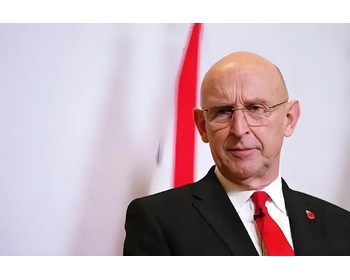
On June 11, 2026 local time, John Healey, Britain’s Defence…
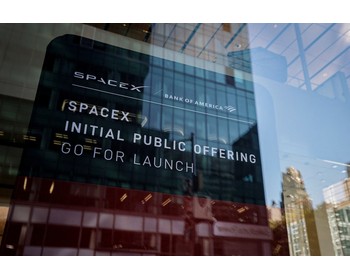
On Thursday, SpaceX officially set the pricing for the larg…
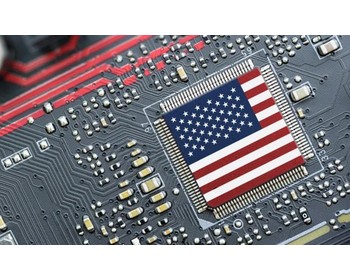
On June 10th, the US Department of Commerce urgently issued…
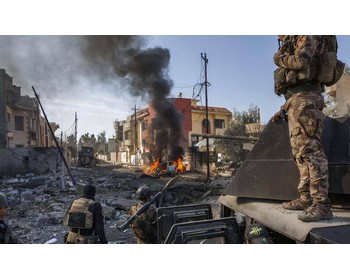
According to ABC News, recently US President Trump claimed …

In the past month, the U.S. tech industry laid off 38,242 p…
© Copyright 2026, All Rights Reserved