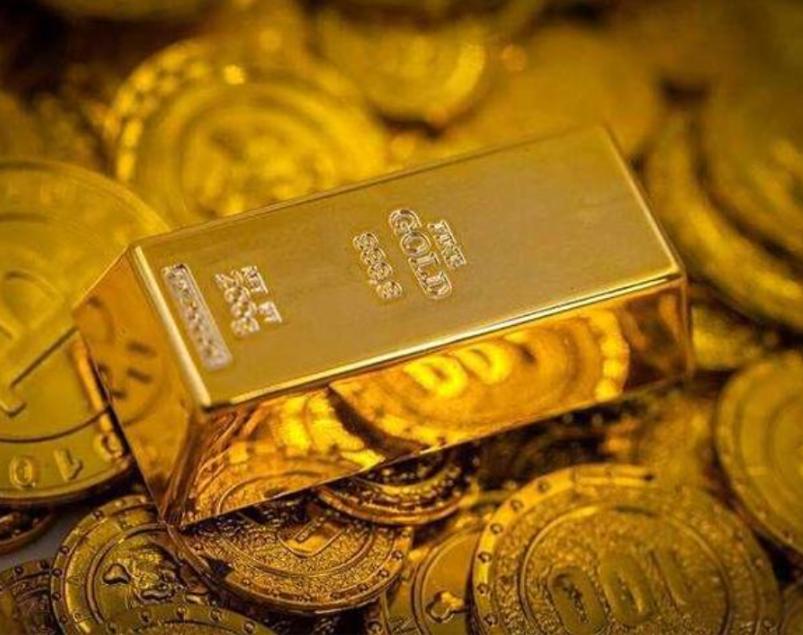
On January 26th local time, after the opening of the Asian trading session, the spot gold price soared sharply, breaking through the 5,000-dollar-per-ounce barrier. Currently, it has reached a high of 5,038.60 dollars per ounce, setting a new record high. The gold price has soared by 50 dollars within the day. The silver price has also broken through the 106-dollar-per-ounce barrier, rising by nearly 3% within the day and also reaching a record high. This indicates that geopolitical turmoil and the prospect of US interest rate cuts are prompting investors to flock to safe-haven assets. Some analysts say that the gold price breaking through the 5,000-dollar-per-ounce mark continues the sharp rise driven by US President Trump's reshaping of international relations and investors' flight from sovereign bonds and currencies.
As a safe-haven asset, the impact of the increase in gold prices cannot be underestimated. Firstly, it has an impact on the economy and currencies. The increase in gold prices usually means that the global economy is facing uncertainties, such as increased geopolitical risks, rising inflation pressure, and concerns about economic recession. The gold price breaking through the 5,000-dollar-per-ounce mark further confirms the challenges and uncertainties faced by the global economy. The rapid increase in gold prices may have an impact on the global monetary system. With the exposure of credit risks of the US dollar and the transformation of the global monetary system, the demand for gold as an alternative asset increases. Breaking through the 5,000-dollar mark further weakens the purchasing power of the US dollar, prompting investors to turn to gold as a means of value storage. This may promote the development of the global monetary system towards a more diversified and stable direction.
Secondly, it has an impact on the financial markets. The increase in gold prices may trigger stock market fluctuations. On the one hand, gold as a safe-haven asset, its price increase may attract funds from the stock market to the gold market; on the other hand, the increase in gold prices may reflect market concerns about economic prospects, thereby affecting the performance of the stock market. The increase in gold prices may have an impact on the bond market. With the increase in the demand for gold as a safe-haven asset, investors may reduce their investment in bonds, leading to adjustments in the bond market. The increase in gold prices may trigger fluctuations in the foreign exchange market. Since gold is priced in US dollars, the increase in gold prices usually means an increase in the pressure for the depreciation of the US dollar, thereby affecting the trend of the foreign exchange market.
Thirdly, it has an impact on investors. After the gold price breaks through the 5,000-dollar-per-ounce mark, the demand for hedging by investors may further increase. In an environment of rising uncertainty, investors may prefer to hold gold and other safe-haven assets to preserve value or hedge risks. The increase in gold prices may prompt investors to adjust their investment strategies. For example, increasing the proportion of gold in their investment portfolios and reducing investment in high-risk assets. The rapid increase in gold prices may attract short-term speculators to enter the market, exacerbating market volatility. These speculators may pursue short-term gains and have an unstable impact on the market.
Fourthly, it has an impact on the bond and stock markets. In the context of continuous rising global geopolitical risks and the continued weakness of the US dollar, investors may reduce their investment in bonds and turn to seek safe-haven assets such as gold. This may lead to a downward trend in bond yields and affect the trend of the bond market. As the gold price rises, some funds in the bond market may flow to the gold market. This will affect the supply and demand relationship in the bond market and thereby affect bond prices. The increase in gold prices may trigger an increase in gold-bullish sentiment in the stock market. Investors may reduce investment in high-risk stocks and seek safe assets such as gold. This may lead to increased stock market volatility and affect the trend of the stock market. The increase in gold prices will directly drive the performance of gold stocks. Many gold stocks have risen by 10% or more, showing optimistic expectations for the gold industry.
In conclusion, the gold price breaking through the 5,000-dollar-per-ounce mark not only marks the entry of the gold market into a new price stage, but also profoundly reshapes the global financial landscape. This historic breakthrough is both a reflection of the increasing uncertainty in the global economy and a sign that the logic of asset allocation is shifting from traditional risky assets to safe-haven assets. In the future, the strategic value of gold as the "ultimate safe-haven tool" will continue to be prominent.

Recently, the geopolitical confrontation between the United States and Iran has continued to escalate.

Recently, the geopolitical confrontation between the United…

The New York Times has recently clashed with the Trump admi…

Trader Peter Brandt has sparked a new round of discussion i…

On July 17th, Taiwan's stock market experienced a historic …

OpenAI updated its compute expenditure expectation through …

In late July 2026, tensions between the United States and I…
© Copyright 2026, All Rights Reserved