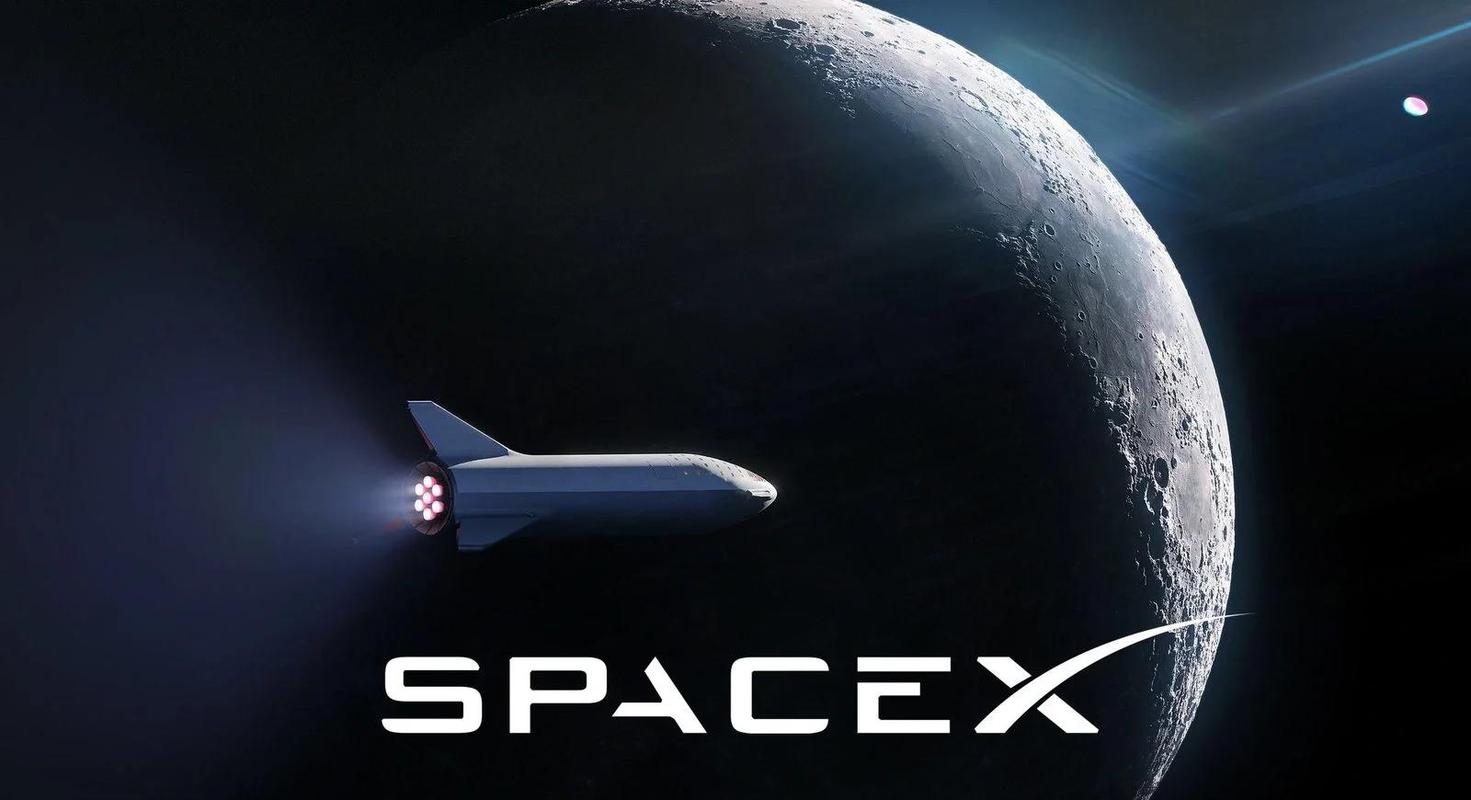
On May 12, 2026, Google is engaged in in-depth negotiations with SpaceX to advance the Suncatcher orbital data center project leveraging SpaceX’s launch capabilities. The two sides plan to deploy prototype satellites by 2027 and realize the normalized operation of space-based computing within a decade, a move expected to break the energy and space bottlenecks constraining terrestrial AI computing power.
The partnership is underpinned by deep capital and business ties. Back in 2015, Google and Fidelity jointly invested 1 billion US dollars in SpaceX, with Google contributing 900 million US dollars. By the end of 2025, Google held a 6.11% stake in SpaceX, ranking among its major shareholders, and Google executive Don Harrison serves on SpaceX’s board of directors. The in-depth alliance has forged a collaborative model: Google provides computing power and algorithms, while SpaceX offers launch services and communication support. SpaceX’s Starlink delivers global high-speed connectivity, and Google supplies TPU chips and cloud computing architecture. For a long time, Starlink’s orbital computing and satellite management systems have been running steadily on Google Cloud.
First unveiled by Google in November 2025, the Suncatcher project aims to build a distributed AI data center constellation in low Earth orbit. According to the roadmap, the project will be carried out in phases. In early 2027, Google will launch two prototype satellites in partnership with satellite manufacturer Planet Labs, equipped with Google’s self-developed Trillium v6e TPU chips to verify computing stability, radiation resistance and inter-satellite optical communication performance in the space environment. The constellation will later expand to 81 satellites deployed in a 650-kilometer low Earth orbit, interconnected via 1.6 Tbps high-speed optical links to form a distributed space computing network.
Space-based computing addresses the core pain points of terrestrial data centers. At present, terrestrial AI computing faces two major constraints. On one hand, it consumes massive amounts of energy. In 2025, global data centers consumed over 190 billion kilowatt-hours of electricity and vast amounts of water for heat dissipation, prompting many countries to limit the expansion of data centers due to energy and environmental concerns. On the other hand, geographical coverage is limited, making it difficult to support real-time computing demands in remote areas such as oceans and deserts. In contrast, solar energy intensity in low Earth orbit is 5 to 8 times that on the ground, providing clean energy with nearly zero marginal cost. The near -270℃ ambient temperature in space enables passive radiative heat dissipation to replace water and air cooling, pushing the Power Usage Effectiveness close to 1.05, far better than the terrestrial average of 1.4. This frees computing infrastructure from reliance on terrestrial power grids and water resources. Meanwhile, in-orbit data processing can cut the response time of disaster early warning, remote sensing monitoring and other scenarios from hours to tens of seconds, achieving seamless global computing coverage.
Despite promising prospects, the project still faces formidable challenges. Technically, intense space radiation may cause chip data corruption and hardware failure. Though Google claims its Trillium chips have passed radiation tests three times the dosage required for a five-year space mission, their long-term commercial stability remains unproven. Heat cannot dissipate naturally in a vacuum, requiring specialized bulky radiative heat dissipation devices that drive up launch costs. In addition, the current maximum bandwidth of space-to-ground optical communication is only 200 Gbps, insufficient to support massive data transmission for large-scale AI training. In terms of cost and operation, rocket launches, satellite manufacturing and in-orbit maintenance entail huge expenses, with the launch cost per kilogram reaching thousands of US dollars. Dense deployment of low-orbit satellite constellations also raises risks of space traffic congestion and orbital collisions, threatening the safety of in-orbit assets.
From an industry perspective, the Google-SpaceX partnership will reshape the global competition landscape of computing power. For Google, space-based computing will complement its terrestrial cloud services, ease the shortage of AI computing power, and open up a new track for space edge computing to consolidate its leading position in cloud services. For SpaceX, the orbital data center stands as a core growth driver following Starlink, bolstering its valuation ahead of the planned IPO in summer 2026 and further strengthening its dominance in space infrastructure. Moreover, the project will prompt global tech giants to accelerate the layout of space computing, driving technological breakthroughs in space launch, inter-satellite communication and radiation-resistant chips, and ushering in a new era of the space computing economy.
From prototype deployment to normalized operation, Google and SpaceX still need to surmount multiple barriers in technology, cost and operation. Nonetheless, the Suncatcher project marks the official expansion of human computing infrastructure from the ground to outer space. Over the next decade, with technological maturity and cost reduction, space-based computing will evolve from an experimental initiative into a key pillar of the AI industry, fundamentally reshaping the global supply model of computing power and bringing revolutionary changes to artificial intelligence, remote sensing mapping, disaster early warning and other fields.

Against the complex backdrop of blocked shipping in the Strait of Hormuz and pressure on the global crude oil supply chain, the Organization of the Petroleum Exporting Countries (OPEC) recently issued a statement on the 7th stating that seven major OPEC+oil producing countries have decided to increase their daily crude oil production by 188000 barrels in July. So far, major oil producing countries have announced production increases for four consecutive months.

Against the complex backdrop of blocked shipping in the Str…

On June 11, 2026 local time, John Healey, Britain’s Defence…
On Thursday, SpaceX officially set the pricing for the larg…

On June 10th, the US Department of Commerce urgently issued…

According to ABC News, recently US President Trump claimed …

In the past month, the U.S. tech industry laid off 38,242 p…
© Copyright 2026, All Rights Reserved