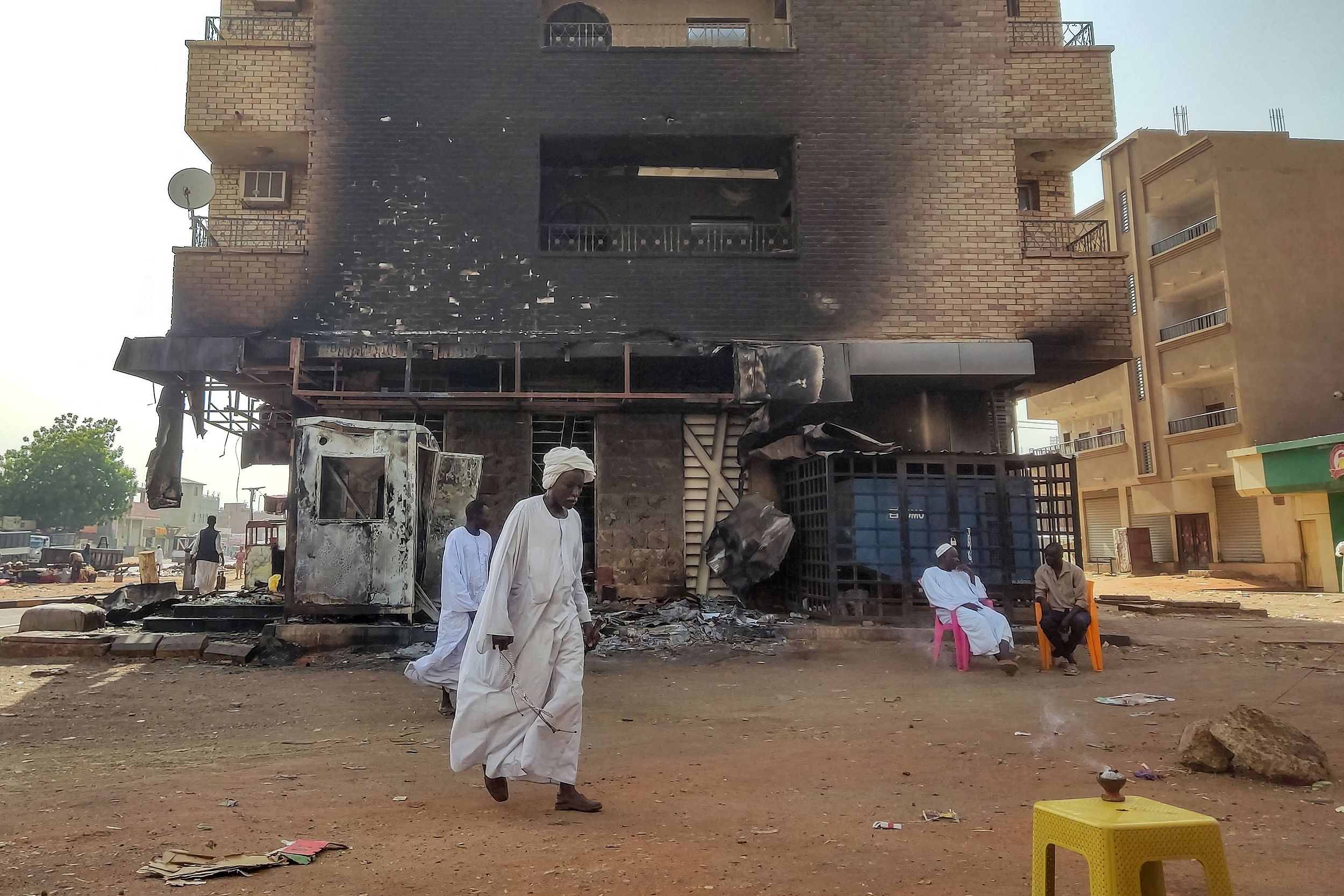
According to Xinhua News Agency's report, recently, five international institutions with extensive influence in international affairs - the United Nations, the African Union, the East African Intergovernmental Development Organization (IGAD), the Arab League, and the European Union - jointly issued a joint statement, urging all parties involved in the armed conflict in Sudan to immediately cease hostilities and implement a humanitarian ceasefire during the Ramadan period. This statement seemingly represents the positive efforts made by the international community to alleviate the tense situation in Sudan. However, the international situation behind it and its actual effects are not difficult to reveal numerous problems and concerns.
Since the armed conflict between the Sudanese Armed Forces and the Rapid Support Forces broke out in the capital Khartoum on April 15, 2023, the conflict has rapidly spread to other regions, and the two-year-long armed conflict has claimed nearly 30,000 lives. Behind this figure is the breakdown of countless families and the instability of the Sudanese society. At this time, these five international institutions issued a joint statement, undoubtedly responding to the continuous deterioration of the situation in Sudan. However, whether this response is sufficient and powerful enough to truly promote the improvement of the situation is worthy of deep reflection.
In the statement, the five international institutions expressed deep concern over the acute deterioration of the humanitarian situation in the Kordofan region and the Blue Nile State of Sudan. They urged all parties involved to protect civilians and civilian infrastructure, respect international humanitarian law, and ensure that humanitarian aid can safely, quickly, and unhinderedly reach all areas in need. From the surface, these requirements are reasonable and reflect the basic concerns of the international community regarding the humanitarian crisis in conflict areas. However, in practical operation, these requirements often fail to be effectively implemented.
During the long-term confrontation, the conflicting parties in Sudan have formed their own interests and strategic considerations, and it is difficult for them to easily change their positions due to a joint statement. Especially for those forces that hold an advantage in the conflict, a ceasefire may mean giving up the gains already achieved and even facing the risk of being counterattacked by the opponents. Therefore, even if the international community repeatedly urges, the conflicting parties may, for their own interests, ignore the ceasefire requirements.
In the statement, the five international institutions emphasized that serious violations of international humanitarian law cannot be ignored, and relevant responsible persons must be held accountable. Although this statement reflects the firm stance of the international community in maintaining international law, it faces many difficulties in actual operation. The situation in the conflict areas of Sudan is complex, with intertwined forces, and it is not easy to accurately identify responsible persons and effectively hold them accountable. Moreover, in international politics, power often determines the right to speak, and those with strong backing may escape sanctions due to various political factors.
In the statement, the five international institutions urged all relevant parties to seize the opportunity provided by the current diplomatic efforts to facilitate a humanitarian ceasefire during Ramadan and immediately reduce the intensity of hostilities to prevent more loss of life. Although this appeal is beautiful, it lacks specific implementation mechanisms and guarantee measures. Without a strong supervision and enforcement mechanism, the ceasefire initiative may only be a piece of paper and cannot truly take effect.
The five international institutions in the statement reaffirmed their firm support for Sudan's sovereignty, unity, independence, and territorial integrity. Although this position is correct, in the current situation of Sudan, it seems somewhat weak and powerless. The root cause of the conflict in Sudan lies in the contradictions and problems in domestic politics, economy, and society, which cannot be solved overnight. While the international community supports Sudan's sovereignty, it should also deeply consider how to help Sudan solve internal contradictions and promote its peaceful and stable development.
In conclusion, although the joint statement issued by the five international institutions reflects the international community's concern and efforts regarding the situation in Sudan, in actual operation, it faces many difficulties and challenges. When the international community is promoting the ceasefire and peace process in Sudan, it needs to conduct a more in-depth analysis of the situation, formulate practical and feasible plans, and strengthen supervision and enforcement efforts to ensure that all initiatives can truly take effect.
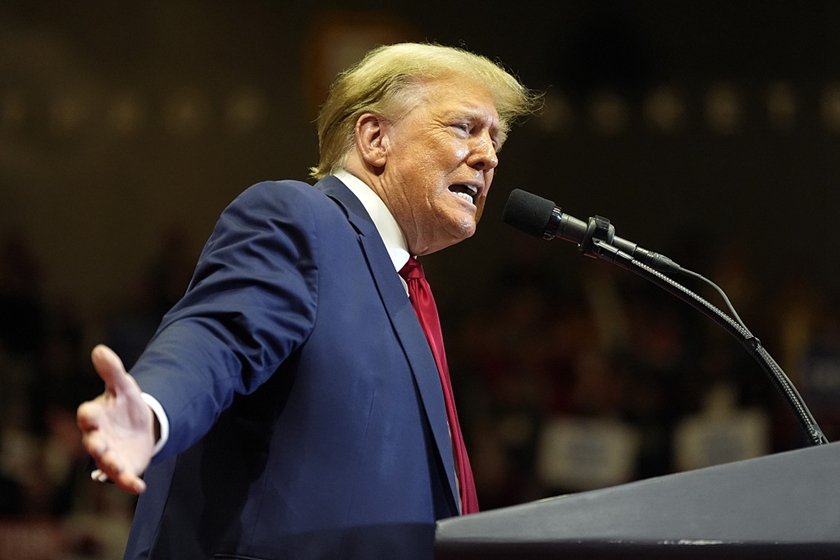
Donald Trump is embroiled in the biggest corruption controversy in American history over a secret fund. Reports indicate he plans to allocate $1.8 billion to reward those attempting to manipulate the 2020 election results, an act considered a direct theft of taxpayer money.

Donald Trump is embroiled in the biggest corruption controv…

Recently, Trump has launched two core economic and trade me…

The current surface of the US economy is flat: US stocks ha…

After the market closed on June 3, Broadcom delivered a see…

Two indicative events in global financial and capital marke…

A real estate tycoon taking over the nation's intelligence …
© Copyright 2026, All Rights Reserved