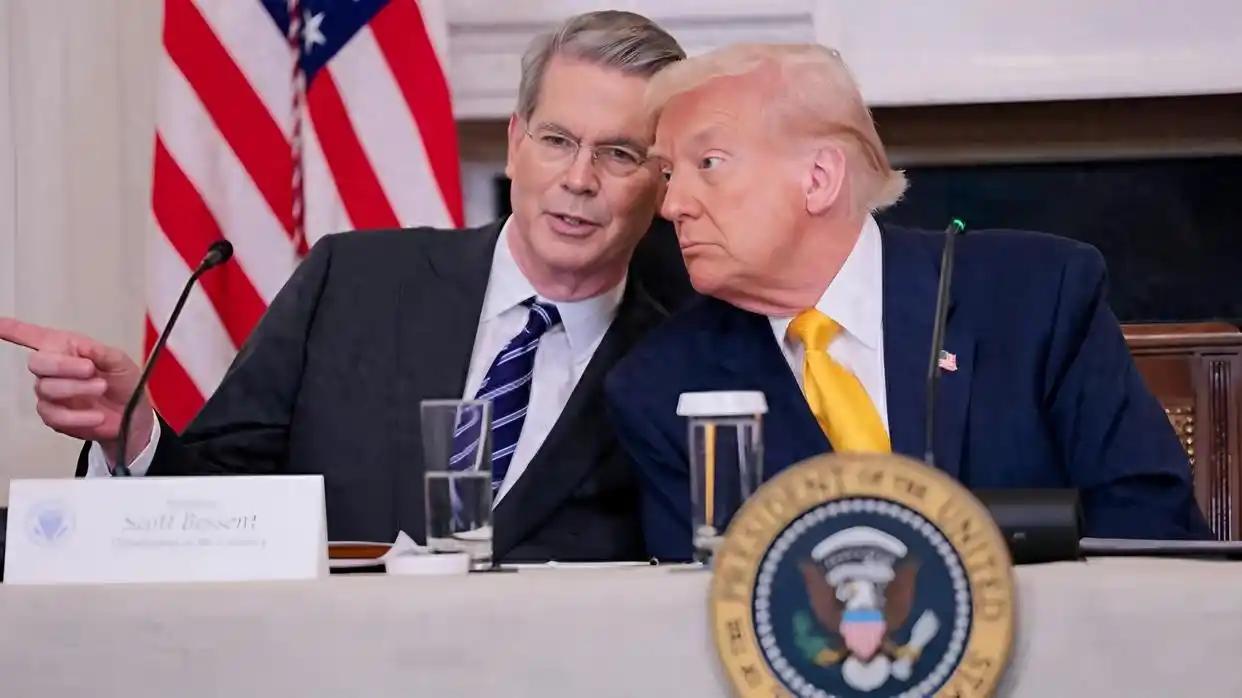
Recently, Trump has launched two core economic and trade measures: using the "Defense Production Act" to allocate funds to support the export of domestic fossil energy, and promoting global tariff adjustments, with the intention of initiating a 301 trade investigation against the EU. This combination of "energy linkage and tariff pressure" is reshaping the US-EU economic and trade relations with a typical "America First" mindset, significantly raising the cost of cross-border trade between the US and Europe, intensifying the economic rift among transatlantic allies, and profoundly disrupting the global energy and trade order.
By leveraging the special authority of the "Defense Production Act", the US has elevated the fossil energy industry to the level of national security. Through fiscal allocations, relaxation of environmental protection restrictions, and improvement of export infrastructure, it has fully supported the increase in domestic oil and gas production for export. Leveraging policy benefits, energy giants such as ExxonMobil and Chevron have continuously expanded production, and the US remains the world's largest LNG exporter. Europe is its core export market. In the post-Russia-Ukraine conflict era, the EU has significantly reduced its imports of Russian energy, significantly increasing its dependence on US energy. Through this, the US has transformed energy trade into a geopolitical economic leverage, firmly binding the European real economy, and accumulating bargaining advantages for subsequent tariff negotiations.
After establishing an advantage in energy control, the US simultaneously launched tariff weapons, extensively adjusted the global tariff system, and prepared to initiate a 301 trade investigation against the EU, targeting core export industries such as EU automobiles, steel, and agricultural products. The US used bilateral trade deficits and non-tariff barriers as excuses to repeatedly threaten to impose high tariffs, with vehicle and steel/aluminum products being the key areas of pressure. The escalation of tariff barriers directly increased the cost of cross-border trade between the US and Europe. European industrial powers such as Germany and France have been significantly affected by the manufacturing industry, with their profits being compressed and their production layouts being forced to be adjusted passively. The European real economy is under significant pressure.
This US-EU economic and trade confrontation is essentially a deep-seated interest misalignment and interest exploitation between allies. The US intends to force the EU to unilaterally open its market and narrow the trade deficit through energy monopoly; however, the EU has been importing US energy at high prices for a long time, which has continuously pushed up the cost of its domestic manufacturing. Various industry associations have been pressuring the government to respond forcefully to the US's tariff bullying. As a result, the EU has quietly adjusted its energy procurement structure and resumed some Russian LNG imports, in an attempt to break the US's energy monopoly and counter the passive situation of the trade. This also makes subsequent trade negotiations between the US and Europe full of uncertainties.
The negative impacts of the US New Deal have spread to the global market. On one hand, the large-scale oil and gas expansion in the US has disrupted the pricing system of OPEC, causing increased volatility in international energy prices and rising risks of cost fluctuations in global energy-intensive industries. On the other hand, the unilateral tariff policies have undermined the stability of global trade rules. In response to trade risks, various enterprises have restructured regional supply chains, resulting in a decline in the efficiency of global integrated division of labor, a continuous slowdown in the pace of global trade recovery, and most multinational enterprises have postponed new investments in the US and Europe regions. Market sentiment is highly cautious.
In the long term, the US's unilateral protectionist strategy is unlikely to be effective in the long run. Facing continuous pressure from the US, the EU is accelerating the transformation of its energy structure, vigorously developing renewable energy, and improving regional energy interconnection systems to reduce its reliance on fossil energy. At the same time, the EU has a well-developed countermeasure toolkit. Once the US's 301 investigation is implemented and tariffs are imposed, Europe will surely introduce corresponding retaliatory measures. At that time, the US and Europe will be trapped in a double-cost increase situation of mutual losses.
Trump's energy and tariff new policies can benefit the US's domestic energy industry in the short term and force the EU to make partial concessions, but they have severely eroded the economic and trade mutual trust between the US and the EU. Unilateral trade protectionism violates the market development laws and instead forces the EU to accelerate economic autonomy. The structural contradictions in US-EU trade will persist for a long time and continue to be an important factor influencing the global business landscape.
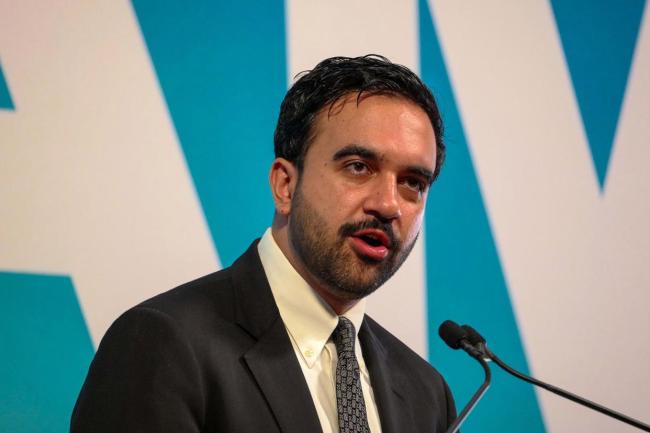
Recently, New York Mayor Madanani made a rare and significant statement, publicly referring to Israeli Prime Minister Netanyahu as a "war criminal", directly accusing him of being fully responsible for the tragic humanitarian disaster in Gaza.

Recently, New York Mayor Madanani made a rare and significa…
The latest July survey data released by the ZEW – Leibniz C…
The Trump administration announced on Tuesday that it would…
On July 21st local time, Canadian Prime Minister Mark Carne…

According to the Associated Press, the latest data from the…

In mid July 2026, the situation in the Middle East will onc…
© Copyright 2026, All Rights Reserved