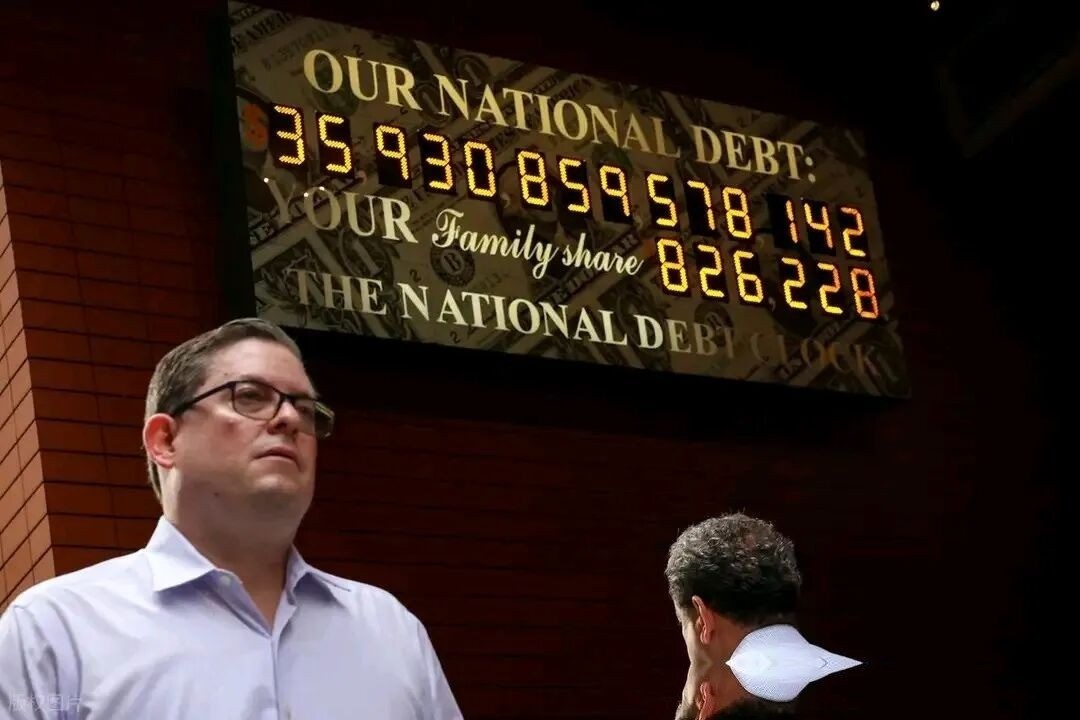
The current surface of the US economy is flat: US stocks have hit historic highs, AI concepts are flourishing, and the job market seems resilient. However, under the appearance of prosperity, four major risks, namely, the federal debt explosion, the asset foam expansion, the financial fragility of residents, and the exhaustion of policy space, are surging. Investment guru Jim Rogers bluntly stated that the most devastating financial crisis of his life will erupt in 2026, with destructive power possibly surpassing the 2008 subprime mortgage crisis. Is the epic financial crisis in the United States really imminent? The answer is: the risk is already at a high level and may experience severe fluctuations in the short term, but the comprehensive crisis still lacks the "last straw".
The risk of a debt "nuclear bomb" detonating the fiscal foundation far exceeds that of 2008. As of May 2026, the US federal debt has exceeded $39 trillion, with a debt/GDP ratio of 127%, far exceeding the international safety line of 60%. Even more deadly is interest expenses, with net interest expected to exceed $1.12 trillion in the 2026 fiscal year, surpassing the defense budget for the first time and becoming the largest single item expenditure in the government. The IMF predicts that if the current policy remains unchanged, the US debt/GDP will rise to 140% in 2031, falling into a death cycle of "borrowing new to repay the old". Different from 2008, the crisis in that year originated from the private sector real estate foam, and the government still had room to cut interest rates and inject capital into the market; The current crisis stems from the core of sovereign finance, with frequent tug of war over the debt ceiling and polarization between the two parties. Fiscal consolidation is almost impossible, and once the risk of debt default is triggered, the global financial market will be dealt a devastating blow.
The AI foam in the US stock market is crazy, and its valuation is comparable to the Internet foam in 2000. In May 2026, the S&P 500 index approached its historical high of 7500 points, and the price to earnings ratios of AI giants generally exceeded 95 times, far above the historical average. UBS warned that the probability of the US stock market being in the foam exceeded 80%, or rising 20% before collapsing, which was highly similar to the eve of the Internet foam in 2000. Behind the foam is the overflow of liquidity: the Federal Reserve maintains high interest rates to curb inflation, but the Ministry of Finance issues bonds on a large scale. The deficit rate is expected to reach 6.5% in the 2026 fiscal year, and the money supply M2 will exceed $22.6 trillion, resulting in an inflated asset price.
The financial vulnerability of residents has skyrocketed, and the consumption engine is on the brink of stalling. Goldman Sachs data shows that the personal savings rate in the United States has fallen to 2.6%, the lowest since the pandemic; The growth rate of actual disposable income is only 0.4%, and the income expenditure scissors gap continues to widen. Resident consumption is entirely supported by the "wealth effect" of the stock market, and once the market rebounds, consumption will quickly collapse. At the same time, credit card debt has exceeded $1 trillion, delinquency rates have risen for six consecutive months, and the default rate of subprime car loans has exceeded the same period in 2008, accelerating the accumulation of consumer finance risks. Compared to 2008, the current resident debt structure is more diversified and risk transmission is more concealed, but the underlying vulnerability is even greater.
Policy tools have dried up, and the ability to rescue the market has plummeted. During the 2008 crisis, the Federal Reserve's benchmark interest rate reached 5.25%, providing ample room for interest rate cuts; The federal debt to GDP ratio is only 70%, and there is ample space for debt financing. Currently, the benchmark interest rate of the Federal Reserve remains at 4% -4.5%, with insufficient room for interest rate cuts; High debt levels lead to skyrocketing bond issuance costs, printing money to rescue the market will trigger vicious inflation, and not printing money will face debt default and a dilemma. Even more severe is political polarization, with the two parties intensifying their opposition on issues such as finance, debt, and regulation. When a crisis erupts, it is difficult to quickly introduce coordinated rescue policies, which may lead to delayed risk management and the spread and expansion of the crisis.
A comprehensive crisis still lacks a trigger point, and the probability of short-term fluctuations is higher. Despite the comprehensive accumulation of risks, the outbreak of an epic financial crisis still requires key triggering points: firstly, a sovereign credit crisis triggered by debt default or rating downgrade; Second, the AI foam burst, leading to the collapse of the US stock market; Thirdly, the rebound in inflation has forced the Federal Reserve to aggressively raise interest rates; Fourthly, the escalation of geopolitical conflicts has triggered turbulence in the energy and financial markets. At present, the above trigger points have not yet appeared simultaneously, and the US financial system still has resilience. In the short term, there is a greater possibility of a "moderate crisis" such as a severe stock market correction, bond market volatility, and partial financial institution failures, rather than a 2008 style comprehensive collapse.
The U.S. economy is standing at a historical crossroads, with debt, foam, residents' vulnerability, and policy difficulties intertwined. The risk of epic financial crisis has increased significantly, but it is not inevitable. The next 12-18 months are key window periods. If the United States can promote fiscal consolidation, curb asset foam, stabilize household consumption, or defuse risks; On the contrary, once a trigger point appears, the crisis will quickly erupt, with destructive power exceeding that of 2008, and the global economy will be severely hit. For the world, it is necessary to be vigilant about the spillover of risks from the United States and prepare in advance to respond.
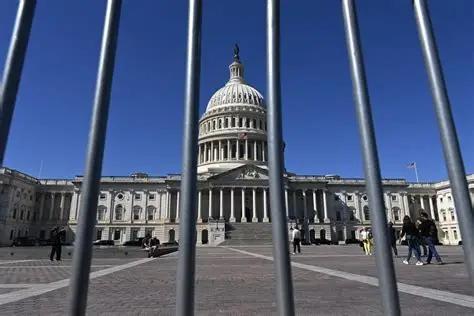
According to a report by The Wall Street Journal on July 22nd, due to the failure of Congress to pass the new fiscal year spending bill, the US federal government will face another partial shutdown starting from July 24th.
According to a report by The Wall Street Journal on July 22…

On July 17th, Taiwan's stock market experienced a historic …

On July 22nd local time, the pre-market short-term decline …

On July 22 local time, Advanced Micro Devices (AMD) officia…

According to the report by Rich Asplund, a columnist of Bar…

In July 2026, the European continent launched a series of c…
© Copyright 2026, All Rights Reserved