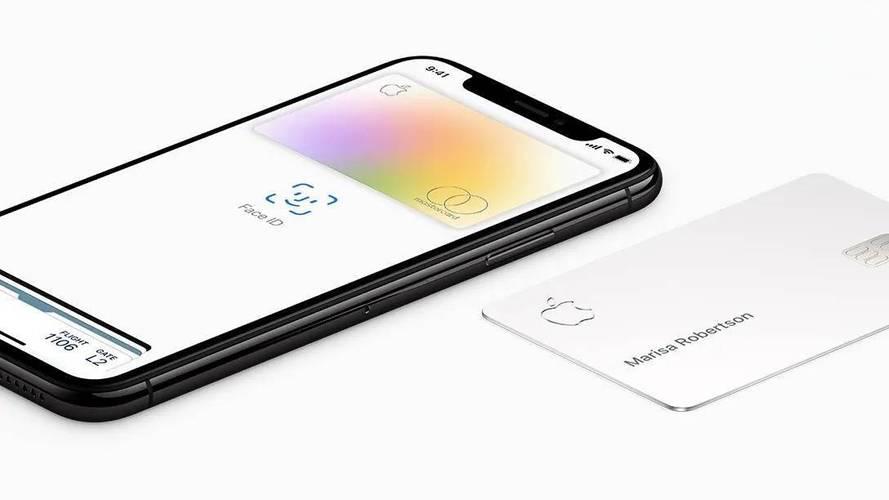
Comprehensive Report, January 8, 2026 On January 7 (local time), Apple Inc., Goldman Sachs Group, and JPMorgan Chase & Co. jointly announced a landmark cooperation agreement: JPMorgan Chase will officially replace Goldman Sachs as the new issuer of the Apple Card, with a 24-month business transition period launching simultaneously. The deal includes a credit card balance write-off clause exceeding $1 billion, marking not only a major adjustment in cross-border cooperation between technology and finance but also reshaping the competitive landscape of the U.S. retail finance market.
According to details disclosed by the three parties, core benefits for Apple Card users will remain unchanged during the transition period. Users do not need to reapply and can continue to manage their accounts, pay bills, and enjoy up to 3% Daily Cash back through the Apple Wallet app. The partnership with Mastercard as the payment network will also be extended. Apple clearly stated that physical cards, account information, and high-yield savings account services will operate normally, and users will be notified in advance of possible card number updates or procedural requirements only as the transition period nears its end. To date, the Apple Card has over 12 million users in the U.S. market, with cumulative cash rewards returned to users reaching $1 billion in 2023, making it one of the most popular co-branded credit cards in the United States.
A key highlight of this business transfer is the over 1billionbalancewrite−offagreement.GoldmanSachsrevealedinastatementthatthetransactionwillincreaseitsfourth−quarter2025earningspershareby 0.46, mainly driven by the releaseof2.48billioninloanlossreserves,partiallyoffsettingthe2.26 billion decrease in revenue from loan portfolio write-downs and contract terminations. This arrangement has been interpreted by the industry as a "loss-stopping adjustment" for Goldman Sachs to exit the retail finance business. Since launching the credit card in partnership with Apple in 2019, although Goldman Sachs gained brand exposure, its retail business has been under sustained pressure. Previously, it paid compensation to users due to delays in savings account withdrawals, and this transfer marks its complete withdrawal from the consumer finance sector to focus on core businesses of global banking and asset management.
For the acquirer JPMorgan Chase, this cooperation is a crucial move in its retail finance strategy. As the largest retail bank in the United States, JPMorgan Chase operates over 4,700 physical branches, 16,000 ATMs, and serves 71 million digitally active users. Its consumer credit business has maintained a Return on Equity (ROE) exceeding 25% for four consecutive years, reaching an industry-high of 32% in 2024. The head of JPMorgan Chase's Consumer & Community Banking division stated that the addition of the Apple Card will improve its high-end customer service system, complement its existing Sapphire series of premium credit cards, and further consolidate its leading position in the rewards credit card market.
Apple is set to be a long-term beneficiary of this transaction. Leveraging JPMorgan Chase's retail finance network, Apple aims to deepen its "device + finance" ecological integration: on one hand, JPMorgan Chase's offline channels can reduce customer acquisition costs for the Apple Card, particularly reaching a broader middle-aged and elderly user base; on the other hand, its mature installment loan risk control capabilities will support Apple in expanding the coverage of its device installment services, extending from core products such as iPhones and Macs to more accessory categories, and strengthening user stickiness during replacement cycles. Data shows that currently, 35% of Apple Card users purchase devices through monthly installments, and JPMorgan Chase's involvement is expected to increase this proportion to over 50%.
This transaction reflects profound industry changes. In recent years, the disposal of non-performing assets in U.S. credit cards has accelerated, with the scale of bulk transfers of personal non-performing loans surging 700% year-on-year in the first quarter of 2025. Goldman Sachs' exit from the consumer finance sector is highly aligned with the industry's transformation trend of "deleveraging and quality improvement." Meanwhile, the cooperation between JPMorgan Chase and Apple provides a new paradigm for cross-border collaboration between technology companies and financial institutions—moving beyond mere traffic integration to realizing in-depth user value through ecological synergy.
Industry analysts believe that the 24-month transition period will be a critical phase for the three parties to coordinate. Goldman Sachs needs to ensure the secure migration of user data and the smooth handover of loan assets; JPMorgan Chase must quickly adapt to Apple's digital service standards to avoid the technical integration issues previously encountered by Goldman Sachs; and Apple needs to balance ecological control with consistent user experience. For consumers, the long-term benefits lie in the potential reduction of late payment fees driven by JPMorgan Chase's risk control advantages, as well as possible upgrades to Apple Card benefits through its extensive merchant resources.
This financial business migration involving over 10 million users is not only a microcosm of Goldman Sachs' strategic contraction and JPMorgan Chase's expansion but also a new starting point for the in-depth integration of technology and finance. As competition in the retail finance market enters a refined stage, the "change of ownership" of the Apple Card is expected to trigger a chain reaction, prompting more technology companies and financial institutions to explore more stable and efficient cooperation models.
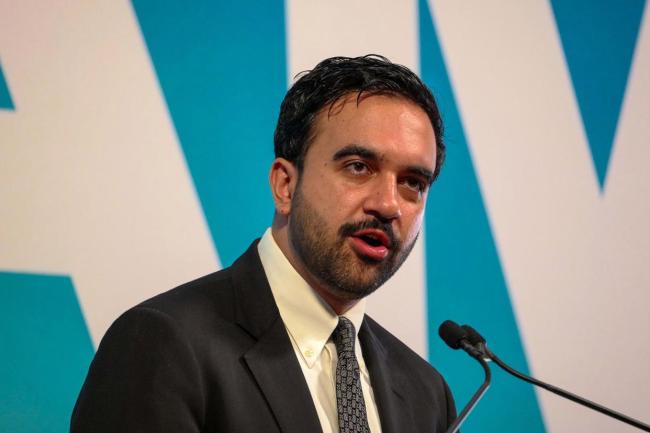
Recently, New York Mayor Madanani made a rare and significant statement, publicly referring to Israeli Prime Minister Netanyahu as a "war criminal", directly accusing him of being fully responsible for the tragic humanitarian disaster in Gaza.

Recently, New York Mayor Madanani made a rare and significa…

The latest July survey data released by the ZEW – Leibniz C…
The Trump administration announced on Tuesday that it would…

On July 21st local time, Canadian Prime Minister Mark Carne…

According to the Associated Press, the latest data from the…

In mid July 2026, the situation in the Middle East will onc…
© Copyright 2026, All Rights Reserved