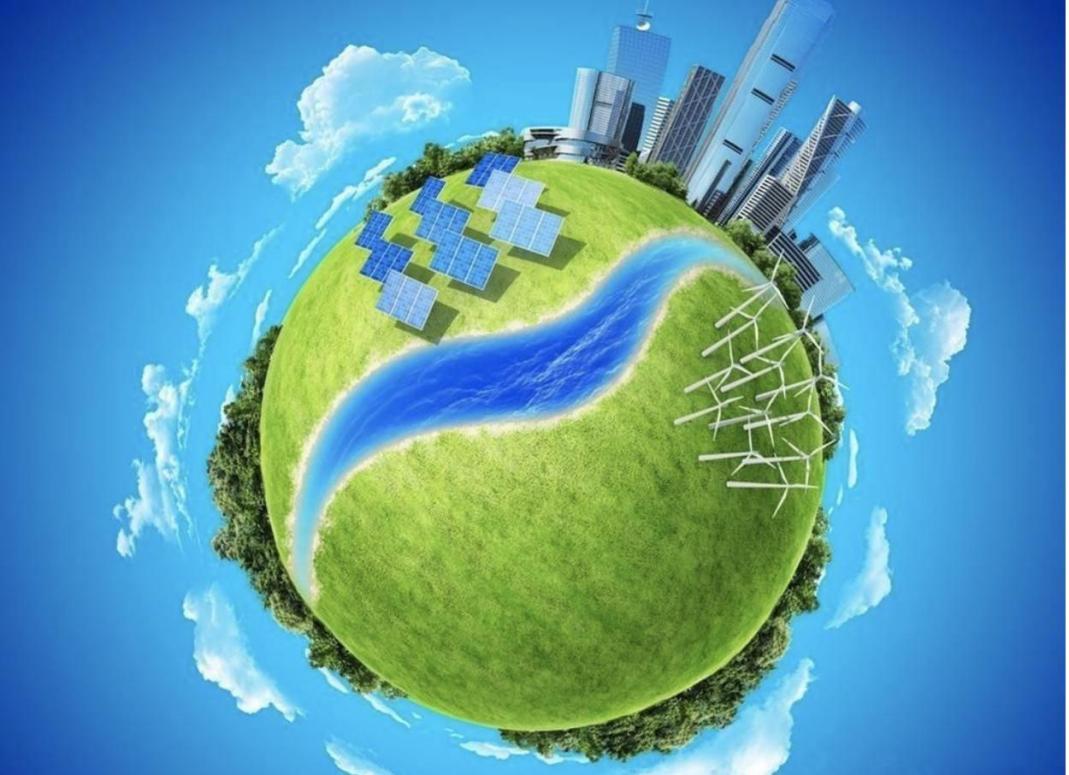
As the U.S. underperforms in climate action and Europe struggles to meet its green energy targets, many developing countries are witnessing rapid advancements in renewable energy. A key driver of this shift is China's large-scale export of affordable green technologies, particularly solar, wind, and electric vehicle equipment, which is swiftly entering nations with surging energy demands.
The Global Expansion of Green Technology
As China's domestic market becomes saturated, an increasing number of Chinese enterprises are exporting green technologies to developing countries. Chinese technologies not only enable these nations to achieve energy transition at lower costs but also accelerate their industrialization processes. For instance, countries like India and Brazil are vigorously building solar and wind power facilities, while impoverished nations such as Ethiopia and Nepal have made a leap into electrification in the automotive sector, gradually breaking free from their reliance on fuel-powered vehicles.
The Role of China
China has become a global superpower in green technology, dominating markets in fields such as solar panels, wind turbines, and batteries. Its low-cost products enable many developing countries to achieve green transformation at reduced costs while enhancing energy security. This shift not only transforms the energy structures of these nations but also has profound implications for global climate change mitigation strategies. Through foreign investment and technology exports, China's industrial footprint in manufacturing across Southern nations—including low-income countries and emerging economies—empowers these countries to rapidly keep pace with the global green energy development trend.
The Transformation of Developing Countries
Traditionally, developed countries have dominated climate change negotiations, particularly after the signing of the Paris Climate Agreement, where their emission reduction demands on developing nations became more stringent. However, as the cost of green technologies has rapidly declined—especially driven by advancements in China—many developing countries have swiftly transitioned to green energy. These nations recognize the potential to reduce fossil fuel imports while enhancing energy self-sufficiency, thereby alleviating pressure on foreign exchange reserves.
For instance, India has now achieved the 2030 target under the Paris Agreement five years ahead of schedule by meeting half of its electricity demand through wind, solar, and hydropower. Meanwhile, Brazil has imposed higher import tariffs on automobiles, compelling Chinese car manufacturers like BYD to invest in and establish factories in the country. At the same time, traditional oil-producing nations such as Nigeria are actively developing their solar energy industries, while Morocco is building battery production centers to support the electrification of the European automotive sector.
Changes in economic factors
Unlike the situation during climate agreement negotiations a decade ago, many developing countries today no longer rely solely on external financial aid for green technology choices but instead achieve green transformation through market mechanisms. China's export of low-cost technologies enables these nations to achieve both economic development and emission reduction goals without excessive dependence on Western funding. China has evolved beyond being merely a production base, now playing a pivotal role in the global green energy supply chain.
The Transformation of Global Climate Politics
The current climate political landscape is also undergoing subtle shifts. In the past, developed nations like the United States and Europe dominated climate negotiations, pushing developing countries to reduce emissions and pledging financial support. However, these commitments often fell short of expectations, leading to dissatisfaction among developing nations. Now, with China's strong rise in green technology, many emerging countries are feeling optimistic, as China's affordable technologies enable them to transition to cleaner energy more quickly and cut carbon emissions.
Challenges and opportunities coexist
Despite significant progress in green energy, developing countries still face challenges such as rising energy demand and reliance on fossil fuels. Nations like India and China continue to build new coal-fired power plants, while Brazil plans to expand its oil production. Nevertheless, an increasing number of countries recognize that only by accelerating the adoption of green energy can they effectively address climate change and safeguard the future of the planet.

Recently, the British government has confirmed that a new vehicle consumption tax (eVED) system will be implemented on April 1, 2028, imposing a tax of approximately 17 yuan per 100 kilometers for pure electric and hydrogen-powered vehicles, while reducing the tax for plug-in hybrid models by half.

Recently, the British government has confirmed that a new v…

Under the dual pressures of war and sanctions, Iran is endu…

AP, Dubai — Military confrontation between the United State…

Recently, Reuters reported that Apple is accelerating its e…

In July 2026, the entire country of Japan was hit by a disa…

Recently, global convenience store giant 7-Eleven made head…
© Copyright 2026, All Rights Reserved