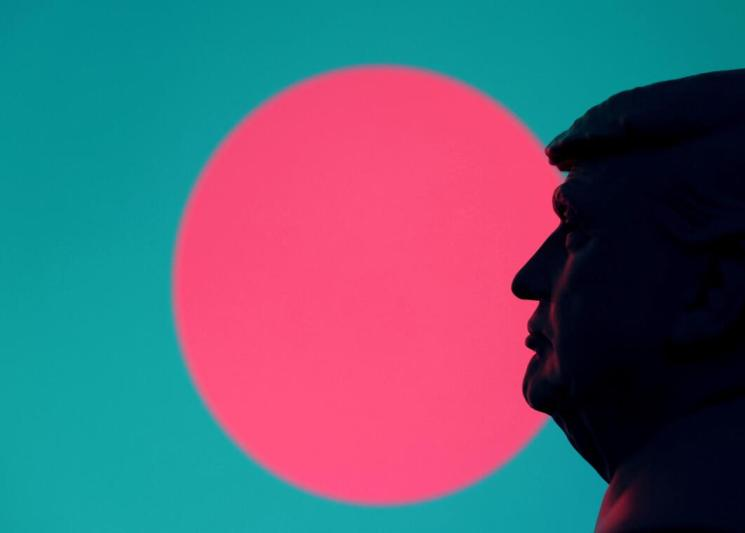
The United States and Bangladesh have reached a trade agreement, reducing the equivalent tariff rate for Bangladeshi goods exported to the US to 19%. Previously, US President Trump had already reduced Bangladesh's tariffs from 37% to 20%.
According to reports from Reuters and Bloomberg, the White House announced on Monday (February 9th) that Bangladesh will reduce non-tariff barriers for US goods and commit to safeguarding labor rights and environmental protection; while the United States will allow some Bangladeshi textiles and clothing produced using US raw materials to enjoy tariff exemptions.
Yunus, the chief advisor of the interim government of Bangladesh, said that Washington "has promised to establish a mechanism that would allow Bangladesh to use certain textiles and garments produced from American cotton and synthetic fibers, and enjoy zero-tariff treatment in the US market."
The White House said that Bangladesh has agreed to offer significant preferential market access for American industries and agricultural products. These products include chemicals, medical equipment, machinery and automotive and component parts, soybean products and dairy products, beef, poultry, nuts and fruits.
Meanwhile, Bangladesh will reduce non-tariff barriers by adopting the US vehicle safety and emission standards, acknowledging the FDA certification of the United States, and lifting restrictions on the import of remanufactured products.
The White House also stated that the United States and Bangladesh are about to reach a series of commercial agreements, including aircraft purchases, an approximately $3.5 billion purchase of American agricultural products, and it is expected that Bangladesh will purchase $15 billion worth of American energy products over the next 15 years.
Yunus said that the two sides began negotiations in April last year and finally reached an agreement after nine months of negotiations.
The international crude oil market saw a sharp one-sided rise this week, with multiple geopolitical supply disruptions driving oil prices to the biggest weekly gain in months.

The international crude oil market saw a sharp one-sided ri…

Recently, the geopolitical confrontation between the United…

The New York Times has recently clashed with the Trump admi…

Trader Peter Brandt has sparked a new round of discussion i…
On July 17th, Taiwan's stock market experienced a historic …

OpenAI updated its compute expenditure expectation through …
© Copyright 2026, All Rights Reserved