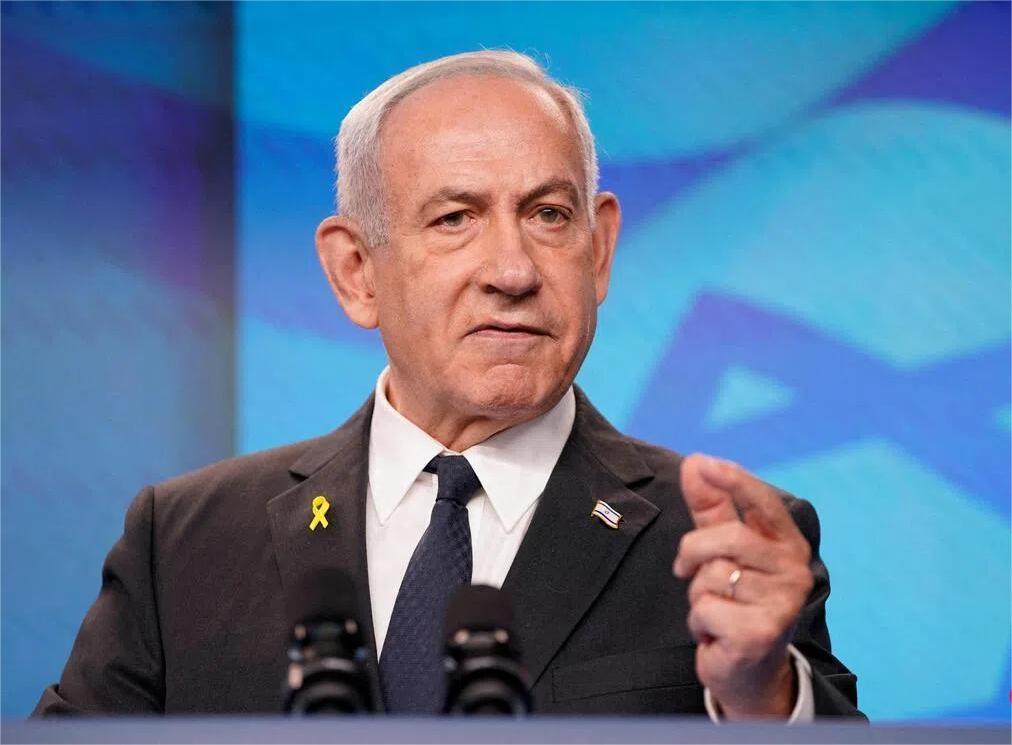
At the critical juncture when the United States and Iran are about to restart nuclear talks, Israeli Prime Minister Netanyahu met with US President's Special Envoy for Middle East Issues Witkoff and emphasized that Iran "cannot be trusted to keep its promises." On the surface, the US appears to be taking this warning seriously, but in fact, it harbors complex and multidimensional strategic calculations. These calculations involve several key aspects, including regional power balance, domestic political maneuvering, international image building, and long-term strategic planning.
The US has meticulously constructed an alliance system in the Middle East with Israel at its core and key Gulf countries such as Saudi Arabia and the United Arab Emirates as important components. Israel, as the US's most steadfast ally in the Middle East, has engaged in in-depth cooperation with the US in crucial areas such as politics, military affairs, and intelligence. This cooperation serves as an important cornerstone of the US's strategic layout in the Middle East.
Israel is highly vigilant about Iran's nuclear issue and has always regarded Iran as the greatest threat to its survival. The US's act of "heeding" Israel's warning is like throwing a "reassurance pill" to Israel, clearly conveying the signal that it values Israel's security concerns and will not overlook Israel's interests in the Iranian issue. This not only significantly enhances Israel's trust in the US and further consolidates the US-Israel alliance but also has a soothing effect on other Gulf allies. It makes these allies believe that the US will unswervingly play the role of a "protector" in the Middle East and will not sacrifice the interests of its allies for the sake of improving relations with Iran, thus effectively maintaining the US's leadership within its Middle East alliance system and ensuring the stability of its strategic fulcrums in the region.
The domestic political landscape of the US is complex and diverse, with different interest groups holding vastly different views and demands regarding US-Iran relations. Among them, pro-Israel forces represented by the Jewish lobby wield significant influence in the US political arena. They firmly oppose the US making excessive concessions to Iran, fearing that Iran's opportunity to develop nuclear weapons will pose a direct threat to Israel and, in turn, undermine US strategic interests in the Middle East.
The US government's act of "heeding" Israel's warning is, to a certain extent, an attempt to cater to the demands of domestic pro-Israel forces and avoid getting into a passive position in domestic political maneuvering. In addition, there are also some forces within the US that are concerned that once the Iranian nuclear issue is resolved, Iran will rapidly expand its influence in the Middle East, posing a severe challenge to US interests in the region. By emphasizing its vigilance towards Iran, the US has cleverly balanced the voices of different domestic interest groups, creating a relatively favorable domestic political environment for the US-Iran nuclear talks and reducing domestic pressure and interference.
On the international stage, the US has spared no effort to shape its image as a "responsible major power," emphasizing its important role in maintaining global peace and security. The Iranian nuclear issue, as a major issue affecting regional and even global security, has attracted extensive attention from the international community, and the US's attitude and actions in dealing with this issue have naturally become the focus of international public opinion.
The US's act of "heeding" Israel's warning and stating that it will take the Iranian nuclear issue seriously demonstrates to the international community its emphasis on and responsible attitude towards regional security issues. This helps the US occupy the moral high ground in international public opinion, win the support and understanding of the international community, and create a favorable international public opinion environment for the US-Iran nuclear talks. At the same time, the US has also sent a clear signal to Iran through this approach: the international community remains highly vigilant about the Iranian nuclear issue, and Iran cannot make excessive demands in the nuclear talks and must make substantive concessions; otherwise, it will face pressure from the international community.
In the long run, the US has important strategic interests in the Middle East, including ensuring energy supply security, containing the influence of competitors, and maintaining regional order and stability. Iran, as a major power in the Middle East, the development of its nuclear issue will directly affect the trend of the situation in the Middle East and have a profound impact on US strategic interests.
The US's act of "heeding" Israel's warning does not mean that it will handle the US-Iran nuclear issue entirely according to Israel's wishes. The US has its own independent strategic considerations. It hopes to reach a controllable agreement with Iran through nuclear talks. This agreement should not only be able to limit Iran's ability to develop nuclear weapons and ensure US nuclear security interests in the Middle East but also create conditions for the US to improve relations with Iran, thereby constructing a strategic layout in the Middle East that is more in line with US interests. The US can use Israel's warning as an important bargaining chip in the negotiations to exert pressure on Iran and force it to make more concessions on the nuclear issue. At the same time, through contact and communication with Iran, the US can gain an in-depth understanding of Iran's strategic intentions and bottom lines, providing important references for future US strategic decision-making in the Middle East.
The US's act of "heeding" Israel's warning about Iran's "inability to keep its promises" is a strategic choice made before the US-Iran nuclear talks based on multiple factors. In the future, the trend of the US-Iran nuclear talks and the US's specific actions on this issue will continue to be influenced by various factors such as domestic politics, regional situations, and international public opinion, and the situation in the Middle East will thus be full of uncertainties, like a suspenseful international political chess game that attracts global attention.

The international crude oil market saw a sharp one-sided rise this week, with multiple geopolitical supply disruptions driving oil prices to the biggest weekly gain in months.

The international crude oil market saw a sharp one-sided ri…

Recently, the geopolitical confrontation between the United…

The New York Times has recently clashed with the Trump admi…

Trader Peter Brandt has sparked a new round of discussion i…

On July 17th, Taiwan's stock market experienced a historic …

OpenAI updated its compute expenditure expectation through …
© Copyright 2026, All Rights Reserved