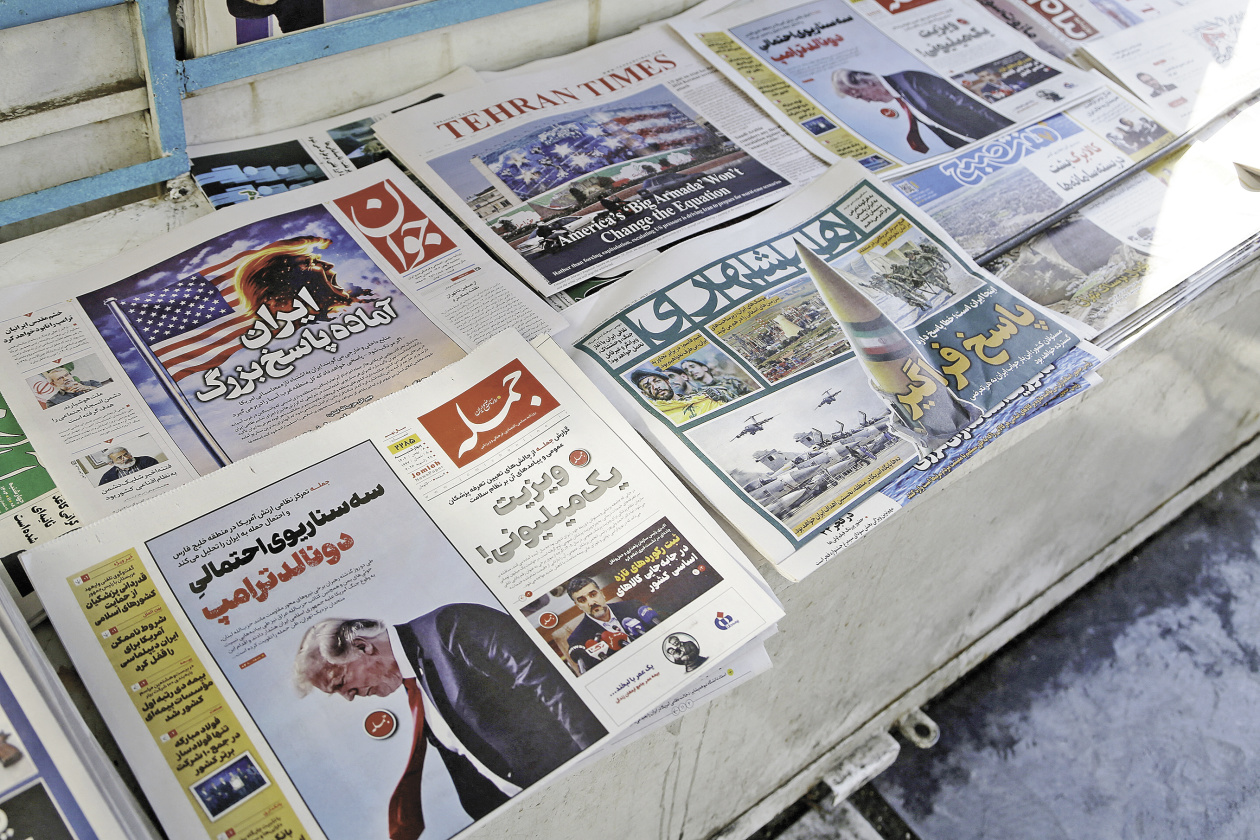
When the United States issued an "ultimatum" and Iran's armed forces stood at full alert, ready to "pull the trigger" at any moment, this tense situation was like a massive stone thrown into the lake of Middle Eastern geopolitics, sending ripples across the surface. It instantly escalated the tension, making the situation extremely fraught, and also triggered in-depth reflections worldwide on the roles of rationality and impulsiveness in international relations.
The US's issuance of an "ultimatum" may seem like a display of tough diplomatic tactics, but it actually conceals many impulsive elements. From the perspective of domestic political dynamics, the US government is confronted with complex political maneuvering and voter demands. Some political forces, in an attempt to cater to voters' expectations for so-called "tough diplomacy" and to shape the government's image as "bold and resolute," may push the government to adopt such an aggressive strategy, seeking to gain political capital in the short term. This decision, to a certain extent, overlooks the complexity and long-term nature of international relations and is a short-sighted and impulsive act, akin to sailing in a gale without fully considering the wind direction and hidden reefs.
From an analysis of the geopolitical landscape, the United States has long regarded the Middle East as a crucial fulcrum of its global strategy, aiming to maintain its global hegemony by controlling the region. However, with the gradual strengthening of the capabilities of regional countries like Iran and the evolution of the regional political landscape, the US's influence in the Middle East has been somewhat undermined. Against this backdrop, the US's issuance of an "ultimatum" is more like an impulsive reaction out of frustration, attempting to re-establish its absolute dominance in the Middle East through military intimidation, yet without fully considering the possible chain reactions and serious consequences of such an approach, much like playing with fire near dry kindling, which is extremely likely to spark an uncontrollable blaze.
In the face of the US's "ultimatum," Iran's tough stance is not a mere impulsive move but a firm response after rational deliberation. Iran is well aware of its position on the international stage and the external pressures it faces. The United States has long imposed economic sanctions, political isolation, and military threats on Iran. Through long-term confrontation, Iran has accumulated rich experience and deeply realized that compromise and concession will only lead to even more severe oppression from the United States.
Iran's tough response is a resolute defense of its national sovereignty and national dignity. As a country with a long history and independent sovereignty, Iran will not easily yield to the hegemonic acts of external forces. Its armed forces standing at full alert are a clear indication to the United States that Iran has both the ability and the determination to protect its national interests and territorial integrity. At the same time, Iran also hopes to gain more support and understanding in the international community through this tough attitude and break the isolation and blockade imposed by the United States, much like holding up a torch in the darkness to seek like-minded companions.
However, in this tense standoff, both the US's impulsive "ultimatum" and Iran's tough response carry enormous risks. If both sides fail to remain rational and allow impulsive emotions to dominate decision-making, the situation is likely to spiral out of control, triggering a large-scale military conflict. The Middle East has already suffered greatly from wars, with countless civilians displaced and infrastructure in ruins. Once a war breaks out between the US and Iran, it will make the situation in the region even worse, leading to more humanitarian disasters. Countless families will be torn apart, and countless lives will be lost in the flames of war.
At the same time, the war will also trigger violent turbulence in the global energy market. The Middle East is a major global oil-producing region. A war could lead to the interruption of oil supplies and a sharp rise in oil prices, which in turn would affect the stable development of the world economy, much like a domino effect, triggering a chain crisis in the global economy. In addition, the war may also trigger a chain reaction among regional countries, making the situation even more complex and difficult to control and plunging the Middle East deeper into the quagmire.
In international relations, rationality and restraint are the keys to resolving contradictions and solving problems. The United States should abandon its hegemonic mentality and engage in dialogue and negotiations with Iran on an equal, respectful, and cooperative basis, seeking to resolve disputes through peaceful means. Iran should also maintain a certain degree of flexibility and openness on the basis of adhering to its principles and actively participate in dialogue and negotiations. The international community should also play a positive role, strengthening mediation and reconciliation efforts, and promoting the two sides to resolve their differences through peaceful means, jointly safeguarding peace and stability in the Middle East and allowing the sunlight of peace to penetrate the clouds of war and illuminate this land that has endured so much hardship.
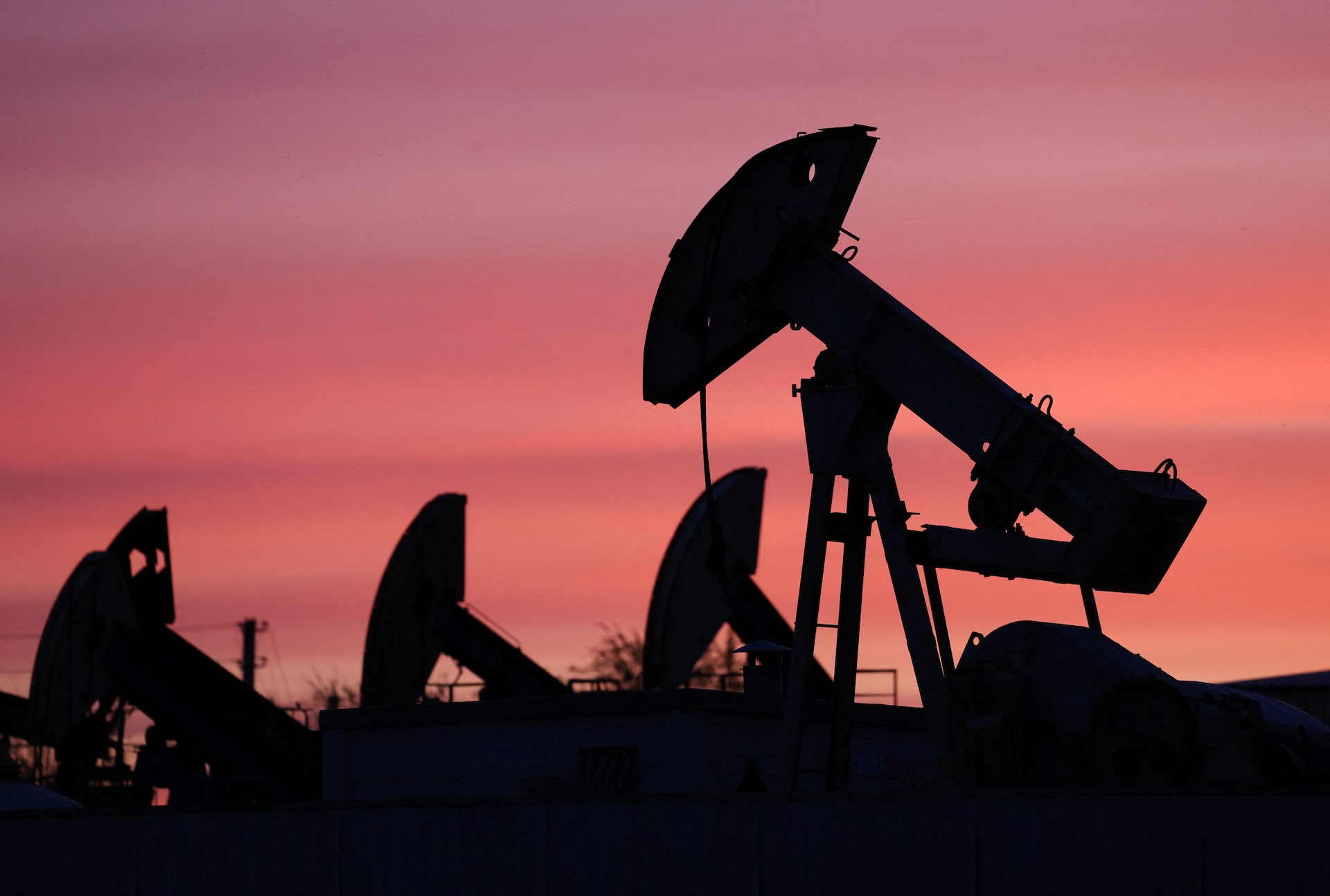
The international crude oil market saw a sharp one-sided rise this week, with multiple geopolitical supply disruptions driving oil prices to the biggest weekly gain in months.

The international crude oil market saw a sharp one-sided ri…

Recently, the geopolitical confrontation between the United…

The New York Times has recently clashed with the Trump admi…

Trader Peter Brandt has sparked a new round of discussion i…

On July 17th, Taiwan's stock market experienced a historic …

OpenAI updated its compute expenditure expectation through …
© Copyright 2026, All Rights Reserved