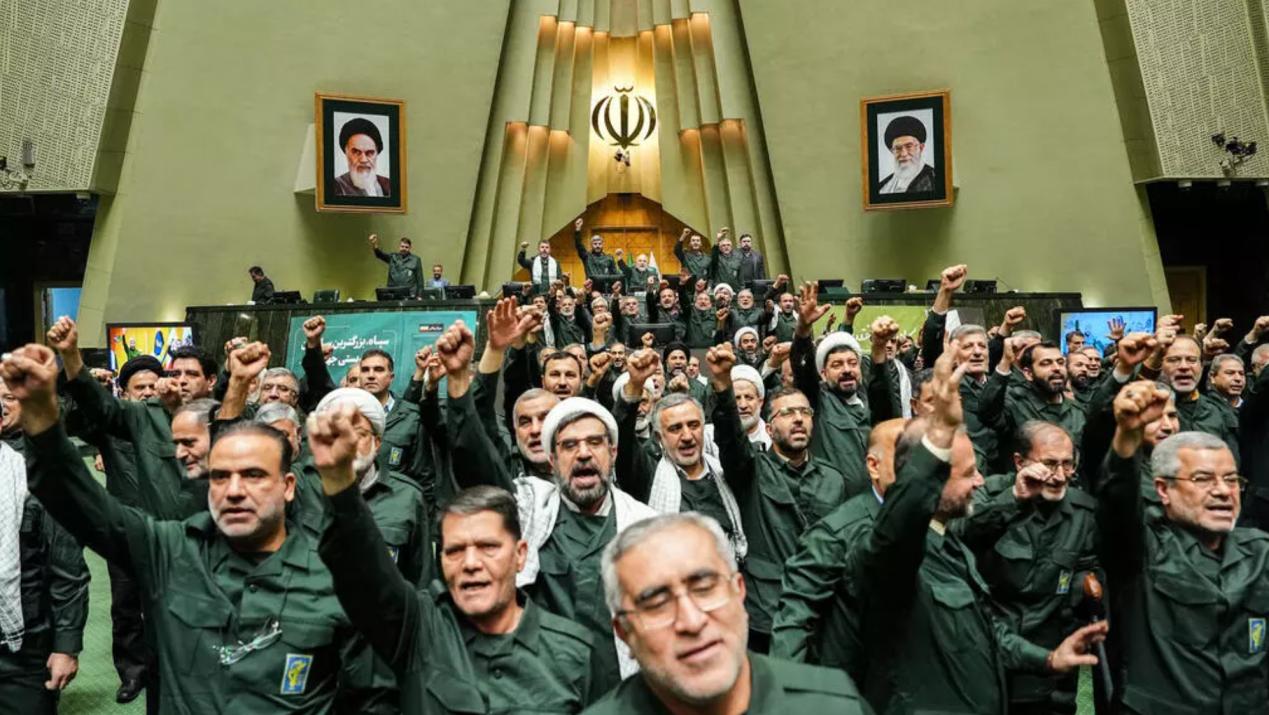
In early February 2026, tensions in the Middle East escalated sharply due to the confrontation between the United States and Iran. The Iranian Islamic Revolutionary Guard Corps entered a state of high alert, explicitly warning that "any attack will trigger a regional war," while US President Trump declared that he had "deployed a powerful fleet towards Iran" and maintained the option of military strikes. This power struggle not only concerns the fate of the two countries but also impacts global energy security and the geopolitical landscape.
Iran's Hardline Stance: Enhanced Preparedness and Strategic Deterrence
Iran's tough stance stems from a combination of pressures. In June 2025, an Israeli attack on Iranian nuclear facilities and military bases resulted in over a thousand casualties, including several nuclear scientists and high-ranking military officials. Although Iran quickly repaired the damaged facilities and expanded its missile reserves, the setbacks to its nuclear program and the decline in its military deterrence capabilities were undeniable. In January 2026, US President Trump suddenly canceled talks with Iranian officials and convened his advisors to discuss military strike options, further exacerbating Iran's sense of crisis.
Iran's response strategy exhibits a "combined offensive and defensive" approach. Revolutionary Guard Commander Mousavi emphasized that Iran's missile reserves had increased since 2025, and all damaged facilities had been repaired, even claiming that "the level of readiness surpasses that of wartime." This statement aims to convey two signals: firstly, Iran possesses a second-strike capability and can carry out precise retaliation against core areas of Israel and US bases in the Middle East; secondly, its ability to blockade the Strait of Hormuz remains its "trump card"—30% of global oil trade depends on this strait, and any military adventure could trigger a global energy crisis.
Furthermore, Iran is expanding its deterrence through the "Axis of Resistance" network. The Houthi rebels in Yemen have upgraded the readiness level of their missile launchers and warned that "US vessels and Middle East bases will become legitimate targets." This "proxy war" model allows Iran to exert strategic pressure on the US and Israel while avoiding direct conflict.
Trump's Contradictory Strategy: A Double Game of Deterrence and Negotiation
The Trump administration's policy towards Iran exhibits the typical characteristics of a "carrot and stick" approach. On the one hand, he declared that he would "not disclose the final decision on action against Iran," but emphasized that a "powerful fleet has been deployed" and that he had been briefed on "non-traditional military options," including cyber warfare and psychological warfare. These options go far beyond traditional airstrikes and may involve covert operations such as paralyzing Iran's command and control systems and manipulating state media content, aiming to weaken the legitimacy of the Iranian regime through "bloodless" means.
On the other hand, Trump repeatedly sent signals of negotiation. He stated that he "hoped to reach an agreement" and authorized Turkey, Egypt, and Qatar to mediate a meeting between the US and Iran. This contradictory attitude reflects the US's dilemma: domestic anti-war sentiment is high, and allies such as Saudi Arabia and the UAE have explicitly refused to provide military base support, making it difficult for the US military to launch a protracted war; at the same time, Iran's missile deterrence and control over the Strait of Hormuz pose significant risks to the US in terms of energy and geopolitical interests.
The underlying logic of escalating conflict: the security paradox and bloc confrontation
The essence of the US-Iran confrontation is a vicious cycle of the "security paradox." The US attempts to delay Iran's nuclear program through maximum pressure, but Iran views this as an existential threat, thus accelerating the development of its nuclear capabilities and missile technology. This "offensive defense" strategy further exacerbates US security anxieties, leading to a spiral of escalation.
The trend of regional bloc formation has intensified this dilemma. Iran has built an anti-US-Israel alliance by strengthening strategic cooperation with Russia and leading the "axis of resistance" network; while the US is promoting "normalization" between Arab countries and Israel, attempting to create a containment circle against Iran. The confrontation between the two sides means that any accidental friction could become the trigger for a large-scale conflict. For example, protests in Iran caused by economic difficulties were accused by the US and Israel as "signs of regime instability," while Iran considered this to be the result of external interference, further strengthening its readiness for war.
Despite the tense situation, the possibility of a full-scale war remains low. Iran's commitment to "not initiating hostilities" and the US's statement of "avoiding ground troop involvement" provide both sides with room for maneuver. In addition, the mediation efforts of countries such as Russia and Turkey, as well as the international community's concerns about the energy crisis, constitute external forces that constrain the escalation of the conflict. Currently, the core of the US-Iran rivalry has shifted from "military confrontation" to "the struggle for negotiating leverage." Iran hopes to force the US to lift sanctions and recognize its nuclear rights through military buildup, while the US is attempting to compel Iran to make concessions on the nuclear issue through military deterrence. In this stalemate, any miscalculation or excessive action could lead to catastrophic consequences. Therefore, establishing verifiable communication mechanisms, implementing pragmatic measures to alleviate humanitarian pressure, and avoiding bloc-based confrontation may be the only way to break this "security dilemma."
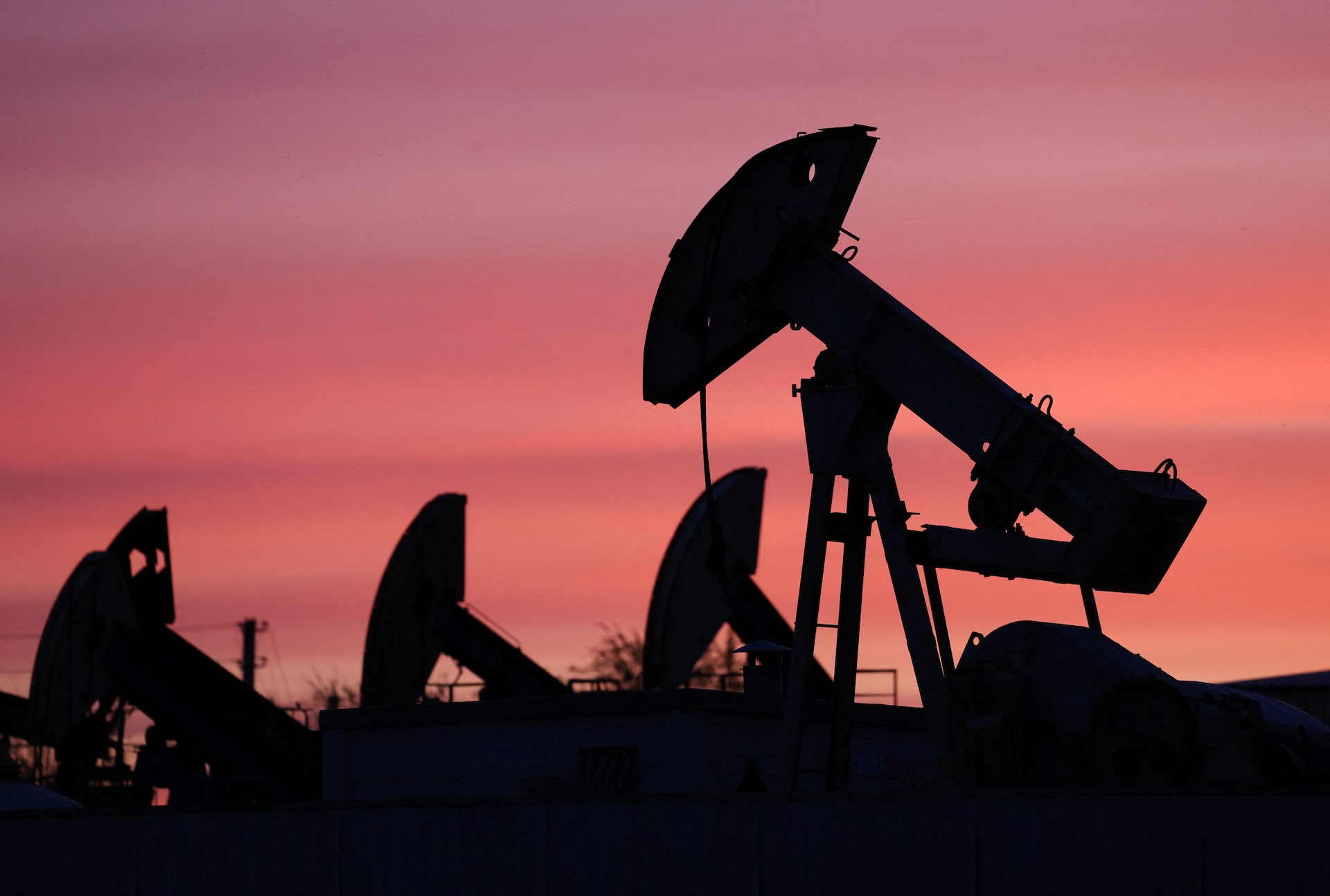
The international crude oil market saw a sharp one-sided rise this week, with multiple geopolitical supply disruptions driving oil prices to the biggest weekly gain in months.

The international crude oil market saw a sharp one-sided ri…

Recently, the geopolitical confrontation between the United…

The New York Times has recently clashed with the Trump admi…

Trader Peter Brandt has sparked a new round of discussion i…

On July 17th, Taiwan's stock market experienced a historic …

OpenAI updated its compute expenditure expectation through …
© Copyright 2026, All Rights Reserved