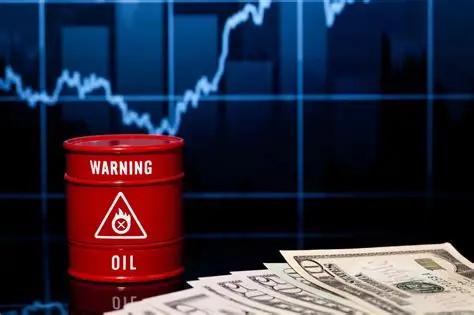
Recently, the international crude oil market has experienced sudden and dramatic changes. On the morning of March 12, WTI crude oil prices surged, consecutively breaking through the $90, $91, $92, and $93 marks, with intraday gains reaching as high as 8.05%. Brent crude futures also saw substantial increases. This extreme volatility has drawn significant attention from global financial markets and is the result of multiple interwoven factors. The measures taken by various countries to cope with the pressure of rising oil prices further highlight the current complexity of the energy market.
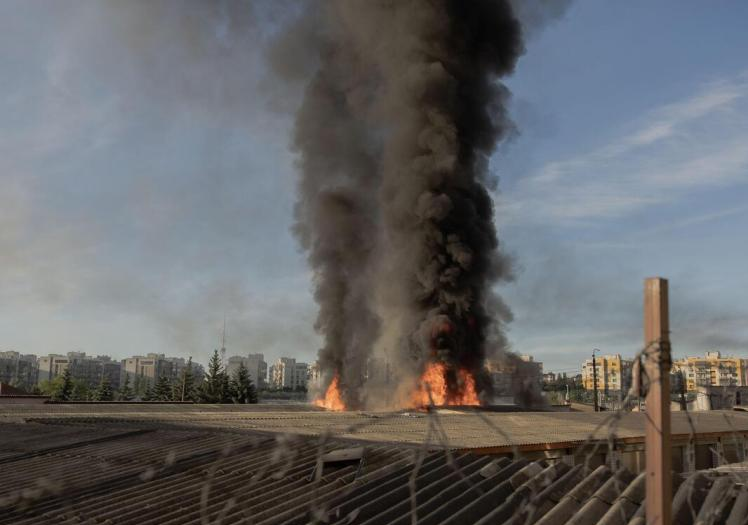
The ongoing geopolitical tensions in the Middle East have become a key "trigger" for the spike in oil prices. The U.S. Central Command claimed that Iran is using civilian ports along the Strait of Hormuz for military purposes and threatened military action against these ports. The Strait of Hormuz, as a crucial chokepoint for global oil transportation, handles nearly one-third of the world’s oil supply daily. Should a military conflict break out in the region, oil transport routes could be blocked, posing a serious risk of global oil supply disruption. Market concerns about crude oil shortages have intensified sharply, driving oil prices significantly higher. The Iranian military responded firmly, stating that if the U.S. military takes action, all ports in the region would become "legitimate targets," making the situation even more uncertain and further heightening market tension.
In addition to geopolitical factors, disruptions on the supply side are also a major driver of rising oil prices. In recent years, after experiencing a series of fluctuations, the balance of supply and demand in the global oil market has become relatively fragile. The recent rise in oil prices reflects market concerns over supply stability. On one hand, production in some major oil-producing countries is affected by various factors, such as domestic political instability and aging equipment maintenance, leading to sluggish output growth. On the other hand, the previous production cut agreements by the Organization of the Petroleum Exporting Countries (OPEC) and its allies continue to limit certain oil supplies. In the context of relatively restricted supply, any potential risk factors could trigger market panic over shortages, thereby pushing oil prices upward.
To cope with the pressure of rising oil prices, member countries of the International Energy Agency (IEA) acted swiftly, announcing the release of 400 million barrels of emergency oil reserves, the largest scale in history. Among them, countries such as Germany, the United Kingdom, and South Korea contributed a certain amount of reserve oil, while the United States authorized the Department of Energy to release 172 million barrels of oil from its strategic petroleum reserves and plans to add 200 million barrels of crude oil reserves next year. Releasing strategic petroleum reserves is an effective short-term means of increasing market supply and alleviating upward pressure on oil prices. By injecting reserve oil into the market, it can to some extent balance supply and demand and stabilize market sentiment. However, this measure is not without risks. In the long term, overreliance on the release of strategic reserves may affect national energy security strategy, and if geopolitical conflicts continue to escalate, the risk of supply disruption remains, and relying solely on reserve releases may not fundamentally solve the problem.
At the same time, countries such as the United States are also considering increasing domestic oil production. Increasing production can improve market supply capacity in the long term, but oil production is a complex process involving multiple stages such as exploration, development, and production, requiring time and financial investment. Moreover, increasing production may also be constrained by environmental policies, market price expectations, and other factors.
In this storm in the international oil market, governments, enterprises, and investors all face immense challenges. Governments need to seek a balance between ensuring energy security, stabilizing prices, and promoting energy transition; enterprises need to reasonably adjust production plans to cope with the pressure of rising costs; investors need to closely monitor market dynamics and make cautious investment decisions. This turbulence in the international crude oil market reminds us once again that the stability of the energy market is crucial to the healthy development of the global economy, and all parties should work together, through dialogue and cooperation, to maintain market stability and sustainable development.
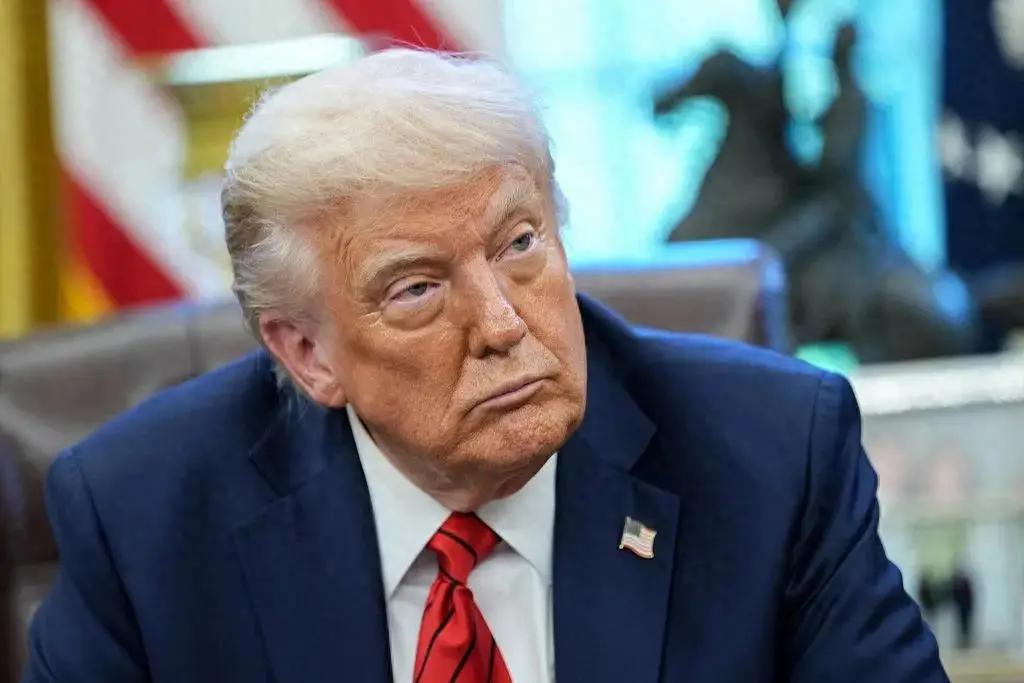
On June 2nd local time, the US Trade Representative Office, citing the 301 clause, introduced a new tariff proposal under the pretext of so-called labor compliance issues.
On June 2nd local time, the US Trade Representative Office,…
AP, Washington — The U.S. government has rolled out a new r…

According to a report by Reuters on June 2nd, the US Depart…
According to recent reports by US media, US President Trump…
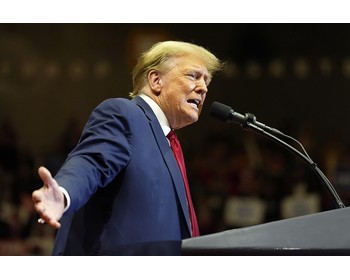
Donald Trump is embroiled in the biggest corruption controv…

Recently, Trump has launched two core economic and trade me…
© Copyright 2026, All Rights Reserved