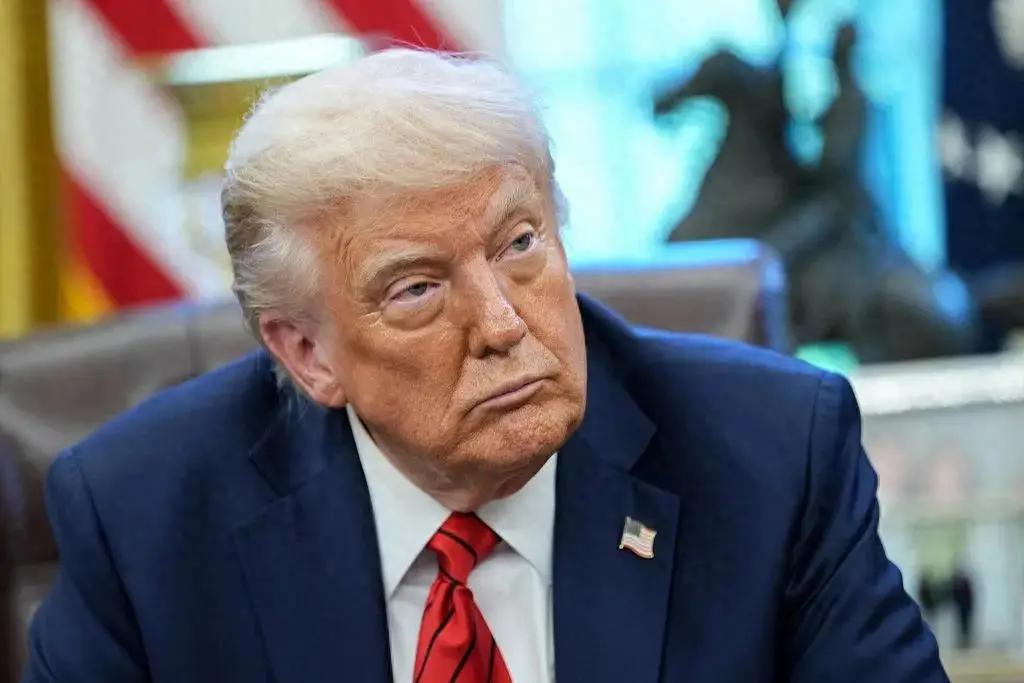
On June 2nd local time, the Office of the United States Trade Representative issued a new tariff proposal based on Section 301, using so-called labor compliance issues as an excuse, proposing to impose additional tariffs on 60 major economies in two tiers: 16 economies including the European Union, the United Kingdom, and Canada will be subject to a 10% tariff, while 44 countries including China, Japan, South Korea, India, and Australia will be subject to a 12.5% tariff. The relevant bill will hold a hearing on July 7th, and after its implementation, it will reshape the domestic political situation of many countries, tear apart the alliance system, and shake the global multilateral governance structure. It will profoundly rewrite the current international political landscape from three dimensions: national internal affairs, alliance relationships, and global order. This unilateral tariff seems to be an economic and trade measure, but in essence, it is a powerful tool that overflows from the domestic political game of the United States. Its political shock wave has already broken through the economic and trade boundaries and continues to ferment in the global political arena.
The first to be affected is the US political arena. The current round of large-scale tax increases is a product of partisan struggles and midterm election games in the United States. The majority of the cost of new tariffs is borne by US importers and end consumers, and the rise in prices of daily consumer goods has directly pushed up domestic inflation. The ruling party, which originally relied on tariff policies to win votes, has instead faced collective protests from local governors and industrial unions. The opposition party has seized on real issues such as rising prices and corporate losses, and continues to launch attacks in Congress, criticizing the current government for abusing its trade power and trading people's living costs for short-term political benefits. The confrontation between the two parties in the United States over trade policies continues to deepen, and the differences between the House and Senate over tariff bills continue to widen. In the future, the process of amending and implementing relevant regulations will be accompanied by frequent parliamentary tug of war, further exacerbating the polarization between populism and establishment in the United States. At the same time, the arbitrariness of US trade policy has also highlighted the contradictions between the two major systems of the US administration and judiciary. After the courts rejected large-scale tariff bills one after another, the executive branch changed the legal basis and forcibly implemented tax increases, indirectly weakening the judicial balance of administrative power. The political operation logic of the separation of powers in the US has been challenged by reality, and the cracks in the domestic system continue to widen.
Secondly, the EU system has been hit hard by the tariffs this time. Traditional allies such as the European Union, Japan and South Korea, and Canada and Mexico are facing indiscriminate taxation, completely shattering the inherent understanding of "the United States prioritizing the interests of the alliance" in their political circles. The political direction within the alliance camp is collectively shifting, and the logic of geopolitical dependence is gradually disintegrating. The German Chancellor and French Foreign Minister have successively made public statements, accusing the United States of unilateral tariffs that violate the free trade consensus and ignore the cooperation of allies. The European Commission has begun to draft a list of reciprocal countermeasures to tariffs. The diplomatic route of compromise with the United States originally pursued by ruling parties in many European countries has been questioned by opposition parties and local businesses. Members of the European Parliament from multiple countries have proposed that excessive dependence on US trade rules will continue to sacrifice local industrial interests, promote the EU to accelerate the improvement of its own trade rules, deepen regional economic and trade integration, and continue to loosen the geopolitical binding between Europe and the United States in the future. At the same time, the ruling party in Canada is facing a wave of protests in the domestic export industry, and the opposition party is using the tariff crisis to create momentum and advocate for adjusting its pro American foreign policy; The Mexican President publicly criticized the US for abandoning its commitment to regional cooperation, reached a consensus between the ruling and opposition parties, accelerated the deepening of free trade cooperation with Latin American and Asia Pacific countries, and significantly weakened the geopolitical cohesion of North America. There have also been diplomatic disagreements in the political arena of Commonwealth countries such as Australia, with the Prime Minister openly questioning the reasonableness of US tariffs, domestic think tanks and opposition parties calling for a reduction in economic and trade dependence on the US, and the alliance system gradually shifting from political binding to interest based games.
Finally, geo economics and geopolitics are deeply intertwined, and countries are simultaneously deepening security and diplomatic coordination in economic and trade cooperation. The world is gradually moving away from a single US dominated geopolitical pattern, and the process of multipolarity is accelerating through this round of tariff crises. Multiple geopolitical regions such as China, the United States, Europe, ASEAN, and Latin America rely on economic and trade ties to deepen political cooperation. The game between major powers has extended from a single military and diplomatic confrontation to a competition of economic and trade rules, and the global geopolitical landscape has undergone structural adjustments.
In summary, this global tariff proposal has already surpassed the scope of ordinary economic and trade policies and become an important driving force for global political changes. In the current context of globalization facing headwinds, this tariff dispute once again confirms that unilateral bullying trade policies cannot bring long-term benefits to the country. Only by adhering to multilateral negotiations and mutual benefit and win-win situations can the mainstream direction of foreign and economic policies be formulated in the political arena of various countries around the world.
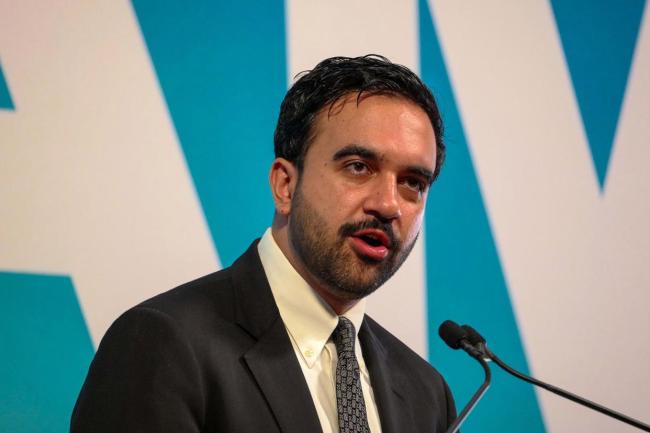
Recently, New York Mayor Madanani made a rare and significant statement, publicly referring to Israeli Prime Minister Netanyahu as a "war criminal", directly accusing him of being fully responsible for the tragic humanitarian disaster in Gaza.
Recently, New York Mayor Madanani made a rare and significa…
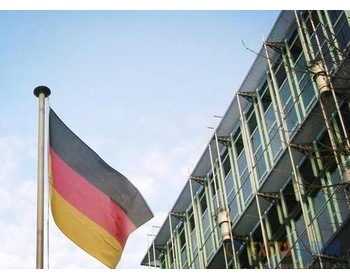
The latest July survey data released by the ZEW – Leibniz C…
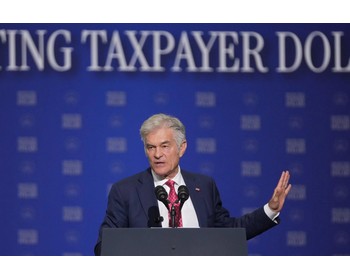
The Trump administration announced on Tuesday that it would…
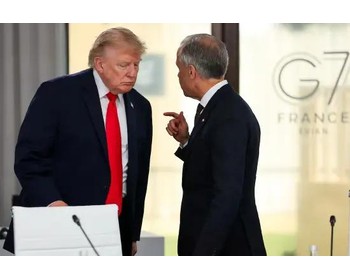
On July 21st local time, Canadian Prime Minister Mark Carne…
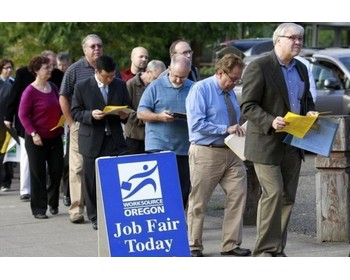
According to the Associated Press, the latest data from the…
In mid July 2026, the situation in the Middle East will onc…
© Copyright 2026, All Rights Reserved