AP, Washington — The U.S. government has rolled out a new round of sweeping tariff proposals, imposing tiered additional duties on sixty major global economies on the grounds that trading partners have failed to curb imports of goods made with forced labor. Launched after multiple previous tariff policies were overturned by judicial rulings and federal tariff revenues slumped, the new trade initiative aims to rebuild U.S. tariff barriers and fill fiscal gaps. It has meanwhile jolted the global trade system and drawn widespread international skepticism, further heightening global trade frictions.
Released late Tuesday, the official proposal adopts a two-tier tariff structure covering major global trade entities. Sixteen economies including Canada, Mexico, the European Union and the United Kingdom will face a 10 percent import tariff, while forty-four trade partners such as China, Japan, India, South Korea and Switzerland will be subject to a higher 12.5 percent levy. The U.S. argues that these economies have failed to fully enforce bans on forced labor products, creating unfair competition and burdening U.S. commercial operations. The new policy will not take effect immediately. It will undergo public comment and official review, with public hearings scheduled to kick off on July 7, leaving a buffer period for formal implementation.
The new tariff policy stems largely from domestic judicial setbacks and fiscal pressures. The previous round of sweeping global tariffs was ruled ultra vires by the Supreme Court for improper legal authorization, invalidating all relevant measures and allowing domestic enterprises to apply for tariff refunds. A subsequent temporary universal 10 percent tariff was also deemed illegal by a trade tribunal and is set to expire on July 24, remaining in effect only pending judicial proceedings. Repeated judicial defeats have led to a sharp decline in U.S. tariff revenue, dropping from a peak of over $31 billion in October last year to $22 billion in both March and April this year. To offset fiscal losses caused by tax cuts and stabilize federal revenue, the U.S. has shifted to Section 301 of the 1974 Trade Act, a legally verified provision, to restart large-scale tariff imposition.
To ease public discontent ahead of the midterm elections and stabilize domestic sentiment, the new tariff plan includes targeted exemptions. Key commodities including aircraft parts, food products such as coffee and beef, and rare earth minerals essential for smartphone and automobile manufacturing are exempted from additional duties. Products from Canada and Mexico bound by North American trade agreements are also excluded from the tariff scope, intended to mitigate inflationary pressures from higher tariffs. Nevertheless, the cost increments will primarily fall on U.S. importers and are likely to be passed on to end consumers, embedding long-term inflation risks.
The proposal has triggered extensive global opposition and doubts over its disguised trade protectionism. The Chair of the European Parliament’s Trade Committee publicly refuted the U.S. accusation, stating that the EU has enforced the world’s strictest regulations on forced labor products and that the U.S. allegations are groundless and fabricated to justify tariff measures. Canada also emphasized its robust legal framework governing supply chain labor practices and continuous efforts to eliminate forced labor and child labor, refusing to recognize the unreasonable U.S. accusations.
Objectively, the new tiered tariff policy delivers distinct pros and cons for the United States. On the positive side, it enables the U.S. to rebuild its tariff system via compliant legal channels, replenish fiscal revenue, sustain its rule-making influence over global trade, and ease short-term domestic inflation pressure through targeted exemptions, catering to public sentiment ahead of the midterm elections. On the negative side, broad tariff hikes risk exacerbating imported inflation, raising raw material and operational costs for domestic manufacturers and dampening corporate vitality. Such unilateral protectionist moves undermine the multilateral trade order, intensify frictions with major global economies and jeopardize long-term trade stability. For the global trade landscape, the policy pushes up cross-border trade costs and disrupts global supply chains in the short run, while potentially triggering reciprocal countermeasures, proliferating trade barriers and hindering globalization progress in the long term.
In summary, the U.S. new tiered tariff initiative is essentially a trade protection and fiscal remedy measure introduced under the pretext of labor compliance, following successive judicial failures. With refined designs of tiered taxation and targeted exemptions, it balances fiscal revenue growth and domestic public sentiment, improving legal compliance and implementability while retaining clear unilateralist attributes. Widespread international opposition and expanding U.S. trade investigations have accumulated mounting global trade friction risks. Going forward, the launch of public hearings and policy advancement will drive profound adjustments in global supply chains, cross-border trade countermeasures and international economic and trade rule competition, becoming core variables shaping the global commercial landscape.
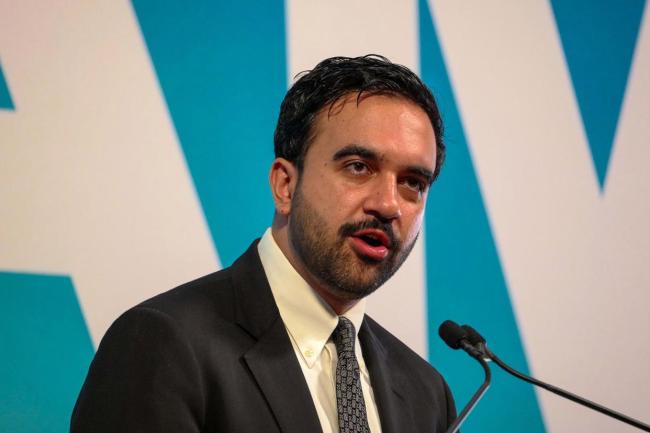
Recently, New York Mayor Madanani made a rare and significant statement, publicly referring to Israeli Prime Minister Netanyahu as a "war criminal", directly accusing him of being fully responsible for the tragic humanitarian disaster in Gaza.
Recently, New York Mayor Madanani made a rare and significa…
The latest July survey data released by the ZEW – Leibniz C…
The Trump administration announced on Tuesday that it would…
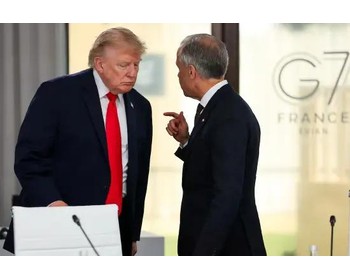
On July 21st local time, Canadian Prime Minister Mark Carne…
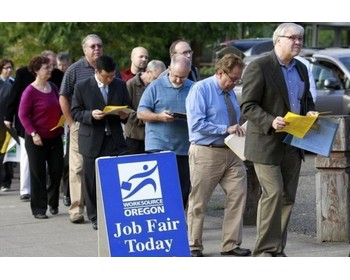
According to the Associated Press, the latest data from the…

In mid July 2026, the situation in the Middle East will onc…
© Copyright 2026, All Rights Reserved