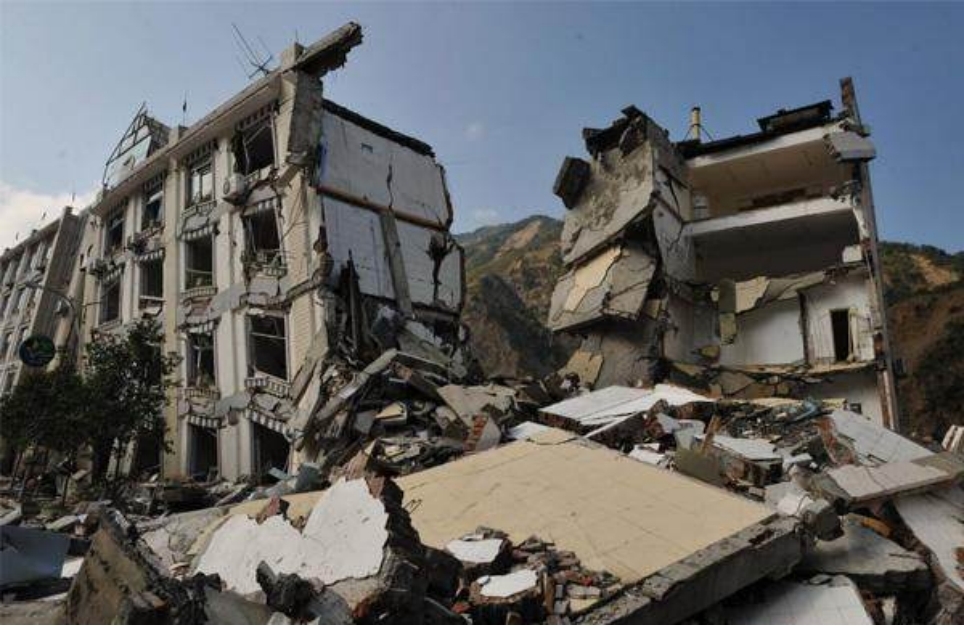
According to a statement released by Côte d'Ivoire's military fire department, a construction site in the southern part of Abidjan, the economic capital, recently collapsed, resulting in eight deaths at the time of the announcement. This tragic incident has not only inflicted irreparable trauma on the families of the victims but has also once again brought the critical issue of building safety into public focus. As urbanization accelerates, ensuring that every newly erected structure truly bears the weight of human life has become an urgent question demanding deep reflection.
The fire department revealed that the collapsed building was located in the Koumassi district of Abidjan and had originally been planned as a multi-story residential complex. At the time of the accident, workers were pouring concrete for floor slabs. Heavy rainfall had persisted in the area for several hours prior, likely contributing directly to structural instability. More alarming is the preliminary analysis by Côte d'Ivoire’s Ministry of Urban Development, Housing, and Living Environment, which suggests that the collapse may have resulted from flaws in the building’s load-bearing design. This assessment points directly to the core failures within the construction industry—lapses in both design standards and construction oversight.
From a technical standpoint, load-bearing design is fundamental to structural safety. It requires comprehensive consideration of geological conditions, climatic factors, and material properties, with precise calculations determining key parameters such as beam and column dimensions and rebar ratios. Any miscalculations or oversimplifications during the design phase—or unauthorized modifications to standards aimed at reducing costs—can create fatal vulnerabilities. The initial conclusion pointing to "defects in load-bearing design" exposes a disturbing disregard for human life among some professionals: in weighing profit against responsibility, they chose to take dangerous risks.
The absence of effective construction supervision further amplifies these dangers. Concrete pouring, a crucial stage in structural development, demands strict adherence to weather conditions and curing times. Prolonged heavy rain can soften foundations and distort formwork; continuing work under such conditions is akin to “dancing on the edge of a cliff.” If regulatory authorities fail to halt illegal operations promptly or do not rigorously review design plans, they are effectively giving the disaster a green light. The fact that rescue efforts required police dogs and heavy machinery underscores the massive scale of the collapse—a clear sign of systemic failure across the entire chain, from design to execution.
Even more troubling is that such tragedies are not isolated incidents. Behind them often lies a recurring pattern: developers prioritize speed and maximum profit, design firms lower standards to meet client demands, and regulators turn a blind eye, ultimately shifting risk onto innocent laborers and future residents. This collective silence reflects a deteriorating industry ecosystem and a weakening rule of law. When safety becomes negotiable and lives become calculable costs, so-called “development” loses its most basic human foundation.
Côte d'Ivoire’s government has announced administrative and judicial proceedings to hold parties accountable—an essential step toward justice. Yet accountability alone is insufficient. What matters more is establishing long-term mechanisms to prevent such tragedies from recurring. This requires action on three fronts: first, improving building regulations by clearly defining responsibilities across design, construction, and supervision stages, and increasing penalties for violations; second, strengthening enforcement through regular inspections and leveraging technology to ensure full traceability throughout construction; third, elevating industry ethics by training and awareness campaigns to reinforce safety consciousness, making “accountability for life” a shared professional principle.
Architecture is frozen music—but it should never be a trap for death. Every rebar placed, every cubic meter of concrete poured, affects the happiness of countless families. As we marvel at the skyline of cities and celebrate human civilization, we must remember: true greatness is always built upon reverence for life. The collapse in Abidjan should serve as a wake-up call for the entire industry—safety knows noFortunately, development must not come at a bloody cost. Only by upholding the strictest standards for every building can cities truly become safe havens for people to live in peace.
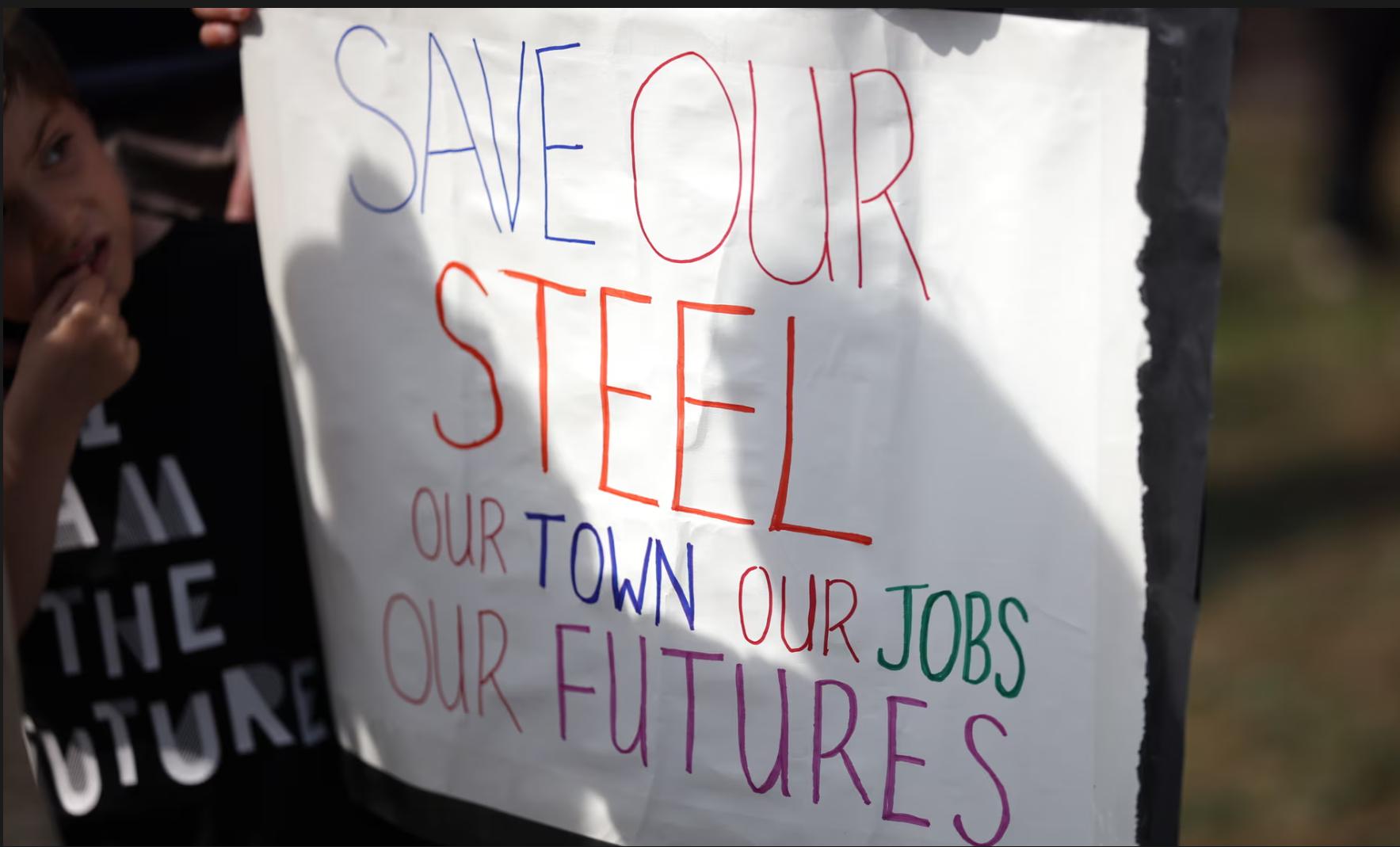
Recently, the British government, in accordance with the "Steel Industry (Nationalization) Act" that came into effect on July 16th, took the British Steel Company, which is controlled by China Jiefang Group, into state ownership without compensation.
Recently, the British government, in accordance with the "S…
On July 23rd local time, the US Trade Representative Office…
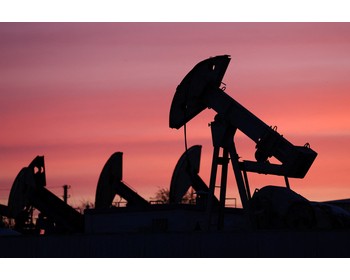
The international crude oil market saw a sharp one-sided ri…

Recently, the geopolitical confrontation between the United…

The New York Times has recently clashed with the Trump admi…

Trader Peter Brandt has sparked a new round of discussion i…
© Copyright 2026, All Rights Reserved