
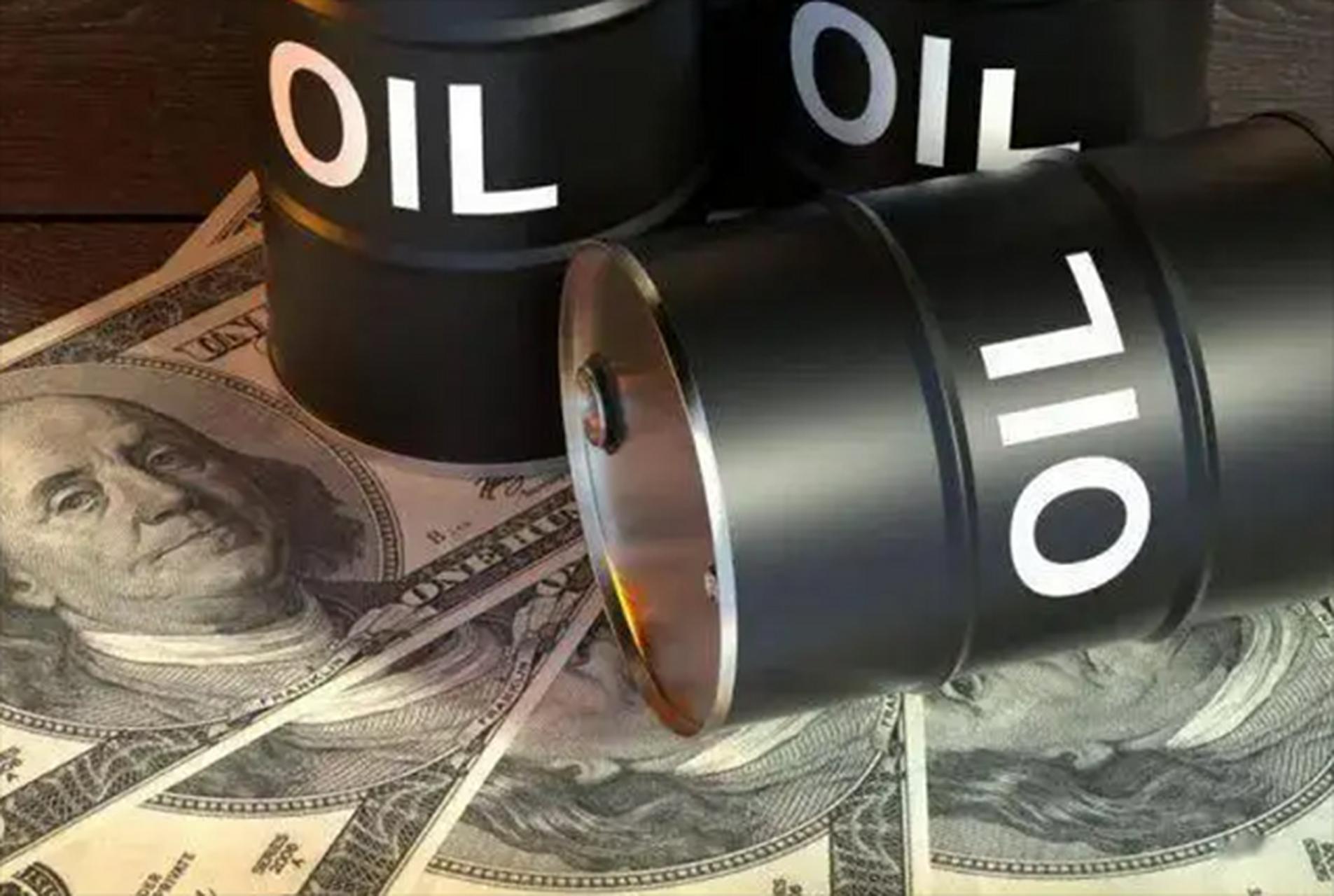
Recently, international oil prices have surpassed $110 per barrel, reaching a new high since 2022. This is mainly due to the escalation of geopolitical conflicts in the Middle East and the disruption of shipping in the Strait of Hormuz, causing concerns over supply. For the world as a whole, this is not merely a simple increase in oil prices; it is an economic shockwave that sweeps across all countries, like dominoes, affecting everything from macroeconomics to financial markets, from industry trends to people's livelihoods, and having a wide-ranging impact. No country can remain unaffected.
From a global macroeconomic perspective, the most direct impact of high oil prices is to push up prices and slow down growth, and even potentially bring back the "stagflation" risk seen in the 1970s - rising prices and a cooling economy. Oil is known as the "blood of industry", and almost all industries in the world rely on it. An increase in oil prices is equivalent to adding a "fuel tax" to the entire world economy. It is estimated that for every 10% increase in oil prices, global prices will rise by 0.6 to 0.7 percentage points. If this persists, the gradually declining inflation will return, causing the purchasing power of currencies in various countries to shrink.
At the same time, high oil prices will directly drag down global economic growth. Goldman Sachs predicts that if oil prices remain in the range of $100 to $120 for a long time, global economic growth will decline by approximately 1 percentage point. It also warns that if the crisis in the Strait of Hormuz persists, oil prices may reach historical highs, with the impact being 17 times that of the 2022 Russia-Ukraine conflict. Different countries are affected differently: major countries that rely on imported oil, such as the Eurozone, Japan, South Korea, and India, may see their economic growth rates reduced by 0.2 to 0.5 percentage points. The soaring import costs will also exacerbate trade deficits; while energy-exporting countries like Saudi Arabia, Russia, and Canada can earn more foreign exchange by selling oil, their economies will benefit slightly, but will also be indirectly affected by the slowdown in the global economy.
The fluctuations in the financial market also intensified, and global assets underwent re-pricing. In the early stage of the sharp increase in oil prices, the sentiment of seeking safety rose, causing a collective decline in the stock markets of the United States, Europe, Japan, and South Korea. The South Korean stock market even triggered a circuit breaker at one point. However, as signals of easing in the Middle East emerged, oil prices dropped sharply, and the stock markets rebounded, presenting a state of intense volatility. It is worth noting that the traditional rule of "buying gold in troubled times" has temporarily lost its effectiveness, as the expectation of interest rate hikes triggered by high oil prices has reduced the attractiveness of non-interest-bearing assets like gold. In the foreign exchange market, the US dollar strengthened due to its hedging attributes in the short term, while Asian currencies that relied on oil imports came under pressure at one point. With the fall in oil prices, they gained breathing space.
On the contrary, downstream industries worldwide are facing greater pressure. The transportation industry is the first to be affected. The fuel cost for aviation accounts for 30% to 40% of the total cost, and the increase in oil prices has significantly squeezed airlines' profits, ultimately passing the cost increase on to consumers through higher fuel surcharges. The fuel cost for the global logistics industry is also high. The increase in oil prices will push up delivery fees and freight costs, which will eventually be passed on to various goods. The midstream and downstream industries of chemicals are the same. The raw materials for plastics, fibers, and rubber all come from oil, and when the raw material prices rise, enterprises either have to absorb the cost and reduce profits or increase product prices, further pushing up global inflation.
In Japan and South Korea, the sharp increase in oil prices has caused panic among the public. Many car owners queued up overnight to refuel and even hoarded barrel-sized oil. Local ride-hailing and taxi services have raised fuel surcharges, and the cost of daily travel has significantly increased. At the same time, the increase in logistics and raw material prices will be passed on to end consumers. The prices of fresh produce, daily necessities, and textiles have generally risen, equivalent to the same amount of money being able to buy fewer things, further increasing the pressure on middle and low-income groups.
In conclusion, the oil price exceeding $110 represents a major test for the global economy. For all countries, only by strengthening cooperation, ensuring stable energy supply, and accelerating energy transformation can they effectively counter the impact of high oil prices and promote the stable recovery of the global economy.

Recently, the British government, in accordance with the "Steel Industry (Nationalization) Act" that came into effect on July 16th, took the British Steel Company, which is controlled by China Jiefang Group, into state ownership without compensation.

Recently, the British government, in accordance with the "S…

On July 23rd local time, the US Trade Representative Office…

The international crude oil market saw a sharp one-sided ri…

Recently, the geopolitical confrontation between the United…

The New York Times has recently clashed with the Trump admi…

Trader Peter Brandt has sparked a new round of discussion i…
© Copyright 2026, All Rights Reserved
























