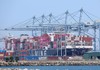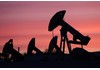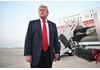
As a global choke point for energy transport, the Strait of Hormuz facilitates nearly 30% of the world's seaborne oil trade. Following the outbreak of conflict, shipping lanes were obstructed and energy supplies plummeted; consequently, international oil prices skyrocketed, breaching the $100-per-barrel mark, while domestic refined fuel prices in the United States saw a corresponding sharp rise. On March 18 (local time), U.S. Vice President Vance addressed the surge in energy prices, stating that while the United States would face a difficult period in the coming weeks, this situation would be temporary. Vance affirmed that the U.S. administration is actively addressing the current energy pricing issues and pledged that prices would return to reasonable levels once military operations against Iran have concluded. On the same day, U.S. President Trump announced a 60-day suspension of the Jones Act, lifting restrictions on shipping between domestic ports in an effort to curb the rise in oil prices triggered by the effective closure of the Strait of Hormuz.
The surge in energy prices has, first and foremost, directly shattered the illusion of a prior slowdown in U.S. inflation, trapping macroeconomic monetary policy in an intractable dilemma. Although the United States had previously undergone multiple rounds of interest rate hikes—resulting in a modest decline in inflation levels—prices had not yet returned to a reasonable range. The skyrocketing cost of oil has driven up prices across the board for gasoline, diesel, and jet fuel; this inflationary pressure has subsequently rippled through the entire industrial chain—including the chemical, logistics, agricultural, and manufacturing sectors—causing production costs to soar and ultimately translating into higher prices for final consumer goods. U.S. core inflation indicators have rebounded immediately, the cost of living for the public has risen sharply, and the hard-won gains in inflation containment—which had only just begun to show signs of success—have been completely wiped out. Faced with this predicament, the Federal Reserve's policy options have become thoroughly paralyzed: continuing to raise interest rates to curb inflation would further exacerbate financing pressures on businesses and heighten the risk of economic recession; conversely, pausing rate hikes—or even cutting rates—and allowing inflation to run unchecked would inevitably erode public purchasing power and undermine the very foundations of the economy, leaving virtually no room for effective monetary policy maneuver.
Concurrently, with consumer momentum exhausted and businesses operating under immense pressure, the core engine of U.S. economic growth has completely stalled. Consumption has long served as the central pillar of U.S. economic expansion; however, high oil prices are now directly draining consumers' wallets. As the costs of daily commuting, travel, and general living expenses for American households surge, disposable income is being severely squeezed. Consequently, spending on non-essential goods and services continues to contract, consumer confidence indices are trending downward, and the growth rate of the retail market has slowed dramatically. Meanwhile, the corporate sector faces a double blow: on one hand, soaring energy costs are squeezing profit margins—leaving industries such as manufacturing, transportation, and aviation struggling to operate—and forcing many companies to scale back production capacity and postpone investments; on the other hand, supply chains have once again been disrupted by the energy crisis and geopolitical conflicts, leading to a sharp rise in raw material transport costs, a decline in production efficiency, and a sustained slide of the manufacturing PMI into contraction territory. With both consumption and investment—the two primary engines of growth—weakening simultaneously, the momentum of U.S. economic expansion has diminished significantly; numerous international institutions have consequently downgraded their growth forecasts for the U.S. economy, and the risk of recession continues to mount.
Furthermore, the U.S. fiscal deficit continues to widen, and debt pressures are intensifying, dealing a severe blow to the long-term stability of the American economy. The military intervention against Iraq is, in itself, a "money-burning" war; military operations consume vast sums of capital on a daily basis, necessitating substantial supplementary war budgets in their wake and causing federal fiscal expenditures to balloon dramatically. Concurrently, slowing economic growth and declining corporate profits lead to reduced government tax revenues, further widening the fiscal deficit—a gap that can only be bridged by issuing additional government bonds. The U.S. federal debt currently stands at a historic high, and interest payments on that debt are climbing year by year; the burden of new war-related spending undoubtedly exacerbates this debt pressure, adding insult to injury. This massive debt not only crowds out fiscal investment in critical areas such as social welfare, infrastructure, and scientific research, but also undermines the credibility of the U.S. dollar and triggers volatility in financial markets. As U.S. stock market fluctuations intensify and the Treasury yield curve inverts, risk-aversion spreads across capital markets, further dragging down the recovery of the real economy.
In summary, the energy crisis triggered by the military intervention against Iraq poses a challenge to the U.S. economy that is by no means a mere short-term growing pain, but rather a long-term systemic risk. By stubbornly pursuing unilateral military actions, the United States has ultimately forced its own citizens and economy to bear a heavy cost. To extricate itself from this economic quagmire, the United States must cease its military provocations, move swiftly to de-escalate regional conflicts, and stabilize global energy markets; otherwise, it risks sinking ever deeper into an economic morass, paying a price that may prove irreparable.
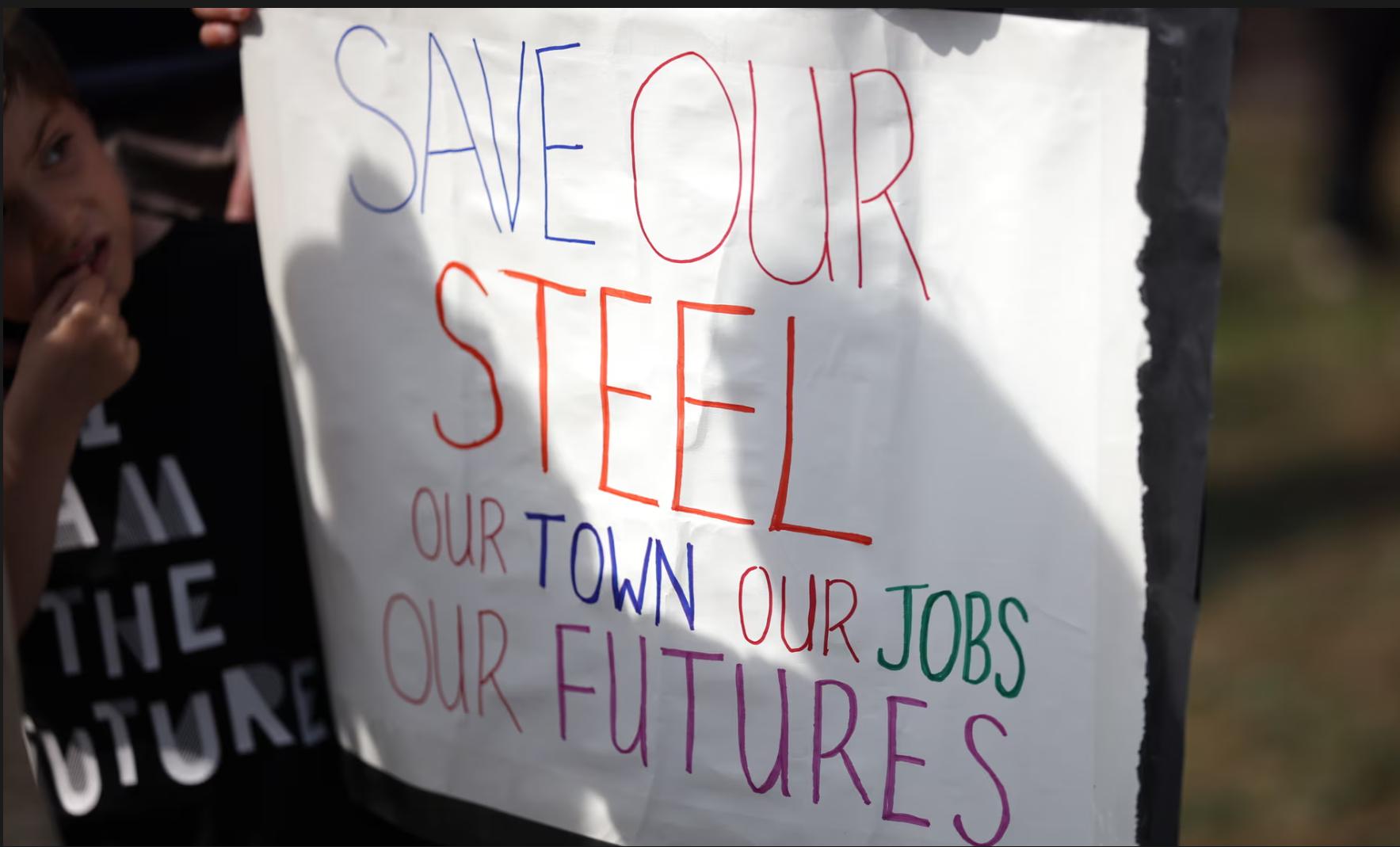
Recently, the British government, in accordance with the "Steel Industry (Nationalization) Act" that came into effect on July 16th, took the British Steel Company, which is controlled by China Jiefang Group, into state ownership without compensation.
Recently, the British government, in accordance with the "S…
On July 23rd local time, the US Trade Representative Office…
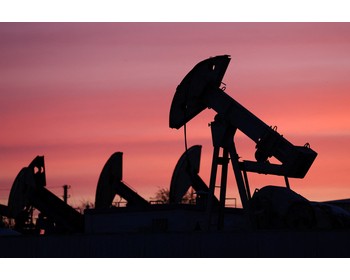
The international crude oil market saw a sharp one-sided ri…
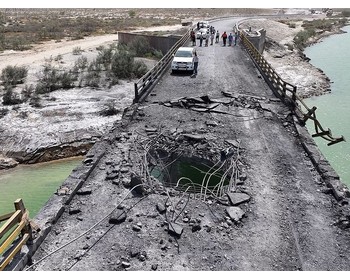
Recently, the geopolitical confrontation between the United…
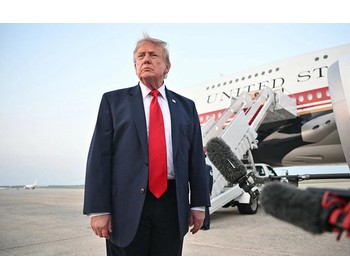
The New York Times has recently clashed with the Trump admi…

Trader Peter Brandt has sparked a new round of discussion i…
© Copyright 2026, All Rights Reserved