
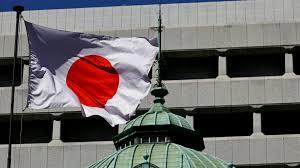
In April 2026, a crucial turning point is expected to occur in the global monetary policy landscape. Market expectations are that the Bank of Japan is likely to initiate an interest rate hike at this month's policy meeting. The probability of an interest rate hike has risen to 70%, indicating that Japan's decade-long ultra-loose monetary policy may officially come to an end. Under the influence of multiple factors such as the rise in energy prices due to geopolitical conflicts, the continuous increase in domestic inflation, and the support from wage growth, the Bank of Japan has finally broken its long-held loose framework. This move will not only profoundly affect Japan's economic direction but also trigger a chain reaction through global financial markets.
The turmoil in the Middle East has led to a significant increase in international energy prices. As a country heavily dependent on imported energy, Japan's imported inflation pressure has sharply risen, becoming the most direct trigger for the central bank's policy shift. The prices of crude oil, natural gas, and other commodities are at an all-time high, directly pushing up the production costs of Japanese enterprises and consumer prices. Coupled with the gradual fading effect of previous energy subsidy policies, the prices of essential goods such as food and daily necessities have been raised in a concentrated manner, maintaining the inflation level above the target set by the Bank of Japan. At the same time, the 2026 spring labor and wage negotiations in Japan came to an end, with wage growth remaining at a high level for three consecutive years, achieving a steady increase in real wages, breaking the deflation cycle that has persisted in Japan, and providing domestic demand support for the continuous rise in inflation. The Bank of Japan has long regarded sustainable wage growth as a core condition for exiting the loose policy, and now this key prerequisite has been met, making an interest rate hike feasible with a solid economic foundation.
However, the Bank of Japan's policy shift is not without concerns. Instead, it faces many dilemmas and constraints, which determines that its interest rate hike pace will be relatively cautious. Japan's government debt ranks among the highest in the world, with a debt-to-GDP ratio far exceeding that of other developed economies. An interest rate increase will directly increase the government's debt repayment burden and impact the already strained fiscal situation. At the same time, Japan's economic recovery foundation is not yet solid, and domestic consumption and private investment remain weak. The rising financing costs brought about by the interest rate hike may suppress corporate expansion and residents' willingness to purchase houses and consume, dragging down the overall economic recovery process. Moreover, the yen, as a key global carry trade currency, involves a large-scale cross-border capital flow. An interest rate hike may trigger liquidation of carry trades, causing funds to flow back from emerging markets and high-risk assets to Japan, intensifying global financial market volatility.
The impact of the Bank of Japan's interest rate hike will be felt across borders, manifesting simultaneously in the domestic and global markets. In Japan, the yen is expected to end its long-term depreciation trend and gradually enter an appreciation channel, alleviating the pressure of imported inflation, but it will also put pressure on the profits of export-oriented enterprises. Treasury yields will continue to rise with the interest rate increase, banks will benefit from an expanded net interest margin, while the real estate and high-debt industries will face significant pressure. Looking globally, the expectations of the Bank of Japan's interest rate hike and the delay of the Federal Reserve's interest rate cut have formed a resonance, further tightening global liquidity. Emerging market currencies and stock markets may face capital outflow pressure, and the valuations of core assets such as US Treasuries and US stocks will also be tested.
Overall, the Bank of Japan's interest rate hike in April is not only a routine monetary policy adjustment but also an important sign of the end of the era of low interest rates globally. It means that Japan has officially shaken off the long-term deflationary predicament, entered a new stage of economic development, and has brought higher funding costs and more complex volatility to global financial markets. For policymakers and market participants of various countries, they need to closely monitor the pace of Japan's policy shift, balance inflation control and economic growth, and be vigilant about external risks brought about by cross-border capital flows, and find their position and respond calmly in the reshaping of global monetary policies.

Recently, the British government, in accordance with the "Steel Industry (Nationalization) Act" that came into effect on July 16th, took the British Steel Company, which is controlled by China Jiefang Group, into state ownership without compensation.

Recently, the British government, in accordance with the "S…

On July 23rd local time, the US Trade Representative Office…

The international crude oil market saw a sharp one-sided ri…

Recently, the geopolitical confrontation between the United…

The New York Times has recently clashed with the Trump admi…

Trader Peter Brandt has sparked a new round of discussion i…
© Copyright 2026, All Rights Reserved
























