
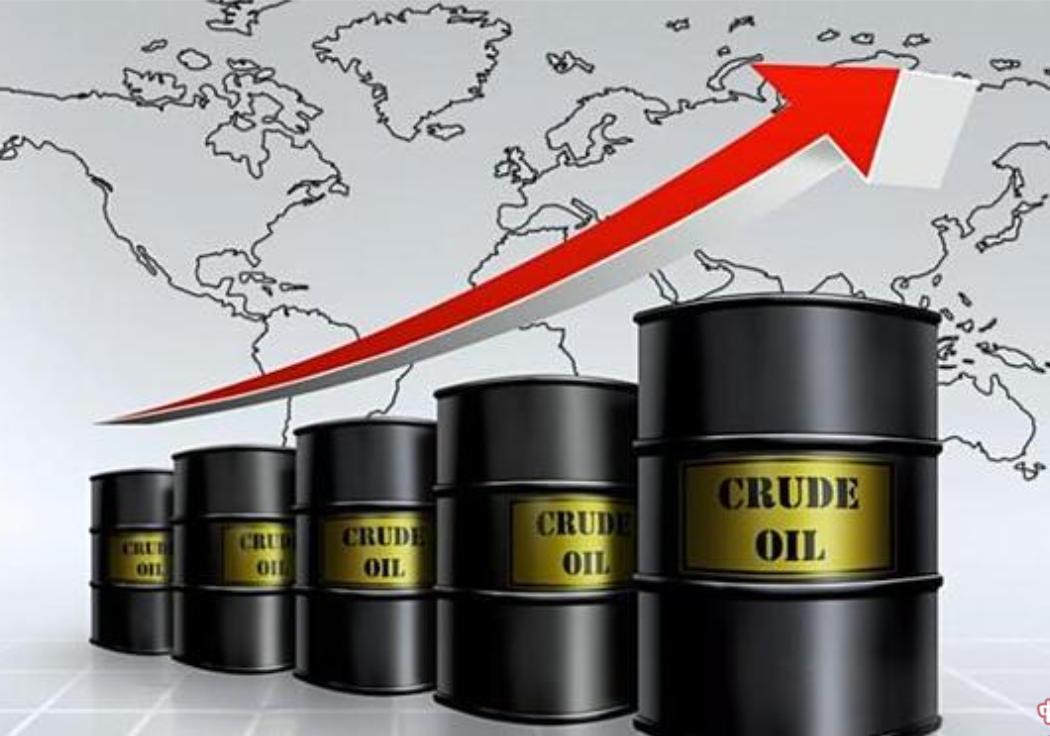
On March 1st local time, an oil tanker attempting to pass through the Strait of Hormuz was hit and began to sink. On the same day, Iran claimed that three illegal US and British oil tankers in the Persian Gulf and the Strait of Hormuz were attacked by missiles. Iran warned that if Iran's oil and gas facilities were attacked, the oil and gas facilities of all countries in the region would be destroyed. Multiple institutions warned that the Brent crude oil price might break through the $130 per barrel mark. As the "bloodline of the global economy", the uncontrollable soaring of oil prices is not merely an energy fluctuation, but will be transmitted through the industrial chain, inflation backlash, policy restrictions, etc., causing systemic negative impacts on all fields of the global economy, dragging down the recovery process, and even increasing the risk of recession for many economies.
The oil price has soared to $130. The first to be affected are the fields related to people's livelihood. This directly triggers a rebound in cost-push inflation. The prices of gasoline and diesel will rise simultaneously, and the cost for private cars to fill up a tank of fuel will increase significantly. Ride-hailing and taxi companies will be forced to raise their fares, and ultimately it will be the consumers who bear the cost. The broader impact is reflected in the logistics sector. The proportion of diesel costs in the operating costs of logistics companies remains high. The increase in oil prices will directly push up freight and express delivery costs, and then pass through to end consumer goods such as fresh produce and daily necessities, making the burden on residents' "food baskets" and "rice bins" heavier. According to Capital Economics' estimation, for every $10 increase in oil prices, global CPI will rise by 0.6 to 0.7 percentage points. If it rises to $130, global inflation may jump by 1 to 2 percentage points. The just-relieved pressure on prices will once again intensify, and the burden on low-income groups will be particularly significant.
The real economy's industrial chain will encounter "two-way squeeze", and the profit space of enterprises will continue to shrink. The upstream industries such as oil and gas extraction will benefit in the short term, but the midstream and downstream industries such as aviation, logistics, chemicals, and manufacturing will face rigid cost shocks. The aviation industry's fuel cost accounts for over 30% of the operating costs, and the soaring oil price will directly devour enterprise profits, forcing airlines to raise ticket prices and reduce routes, and suppressing travel demand; the logistics industry is affected by the increase in diesel prices, the operating costs of heavy trucks increase significantly, and small and medium-sized logistics enterprises fall into the predicament of "loss-making when receiving orders, shrinking when suspending orders". The chemical, textile, and home appliance industries use petroleum as the core raw material, and the price increase of raw materials and the weak terminal demand form a double squeeze, and the gross profit of enterprises continues to decline, some small and medium-sized enterprises are forced to reduce production and lay off staff, and the recovery pace of the manufacturing industry is hindered. In the agricultural sector, the cost of fertilizers and agricultural machinery fuel will rise, and it will also push up the cost of grain cultivation, exacerbating global food price fluctuations.
Monetary policy is in a "dilemma", and the global economic growth momentum continues to weaken. The inflation rebound will directly limit the loose space of central banks, disrupting the original interest rate cut rhythm. To curb prices, the Federal Reserve, the European Central Bank, etc. may be forced to postpone interest rate cuts or even restart interest rate hikes, leading to increased enterprise financing costs, increased credit pressure for residents, and simultaneous cooling of investment and consumption intentions. For economies such as China, India, and the European Union that are highly dependent on crude oil imports, high oil prices will also be combined with imported inflation and trade balance pressure, increasing energy import expenditures, expanding trade deficits, consuming foreign exchange reserves, and bringing risks of currency depreciation and capital outflow. According to Barclays, for every $10 increase in oil prices per barrel, global economic growth may decline by 0.1 to 0.2 percentage points in the next 12 months, and if it remains at $130, the global economy may shift from moderate recovery to low-speed growth.
Financial market volatility intensifies, and the risk transmission effect is prominent. The soaring oil price will trigger the re-pricing of global assets, the stock market shows significant structural divergence, the energy sector performs strongly against the trend, while consumption, aviation, and manufacturing sectors are under pressure and decline, and the overall risk appetite of the market drops. The divergence in the exchange rate market has intensified. The currencies of energy-exporting countries have strengthened, while those of importing countries have faced depreciation pressure. The financial stability of emerging markets has declined. At the same time, the forced detours of oil tankers have led to extended voyages, soaring freight costs, and simultaneous increases in shipping insurance fees. This has further pushed up global supply chain costs, causing the global supply chain to tighten again as it was previously recovering. Cross-border trade efficiency has declined, delaying the economic globalization recovery process. Moreover, the rising risk aversion sentiment will drive up the prices of safe-haven assets such as gold, intensifying financial market volatility.
The warning significance of oil prices reaching $130 is far greater than the energy prices themselves. In the face of this energy crisis, only by strengthening international coordination, stabilizing energy supply, opening up transportation channels, and accelerating the transformation of the energy structure can the impact of high oil prices be alleviated, safeguard the foundation of global economic recovery, and prevent the crisis from escalating and spreading further.

Recently, the British government, in accordance with the "Steel Industry (Nationalization) Act" that came into effect on July 16th, took the British Steel Company, which is controlled by China Jiefang Group, into state ownership without compensation.
Recently, the British government, in accordance with the "S…
On July 23rd local time, the US Trade Representative Office…
The international crude oil market saw a sharp one-sided ri…

Recently, the geopolitical confrontation between the United…

The New York Times has recently clashed with the Trump admi…

Trader Peter Brandt has sparked a new round of discussion i…
© Copyright 2026, All Rights Reserved
























