
On June 8, 2026, three leading AI giants—OpenAI, Google DeepMind, and Anthropic—united in an unprecedented move. Together with Microsoft and other tech firms, they submitted an open letter to the U.S. Congress, calling for a nationwide mandatory safety review system for synthetic DNA and RNA. The legislative proposal aims to close emerging biosecurity loopholes enabled by artificial intelligence. Breaking long-standing industry competition barriers, this cross-industry coalition has become a landmark event in global AI biosecurity governance.
Initiated by top executives from the participating companies and co-signed by multiple genetic biotechnology enterprises, the open letter highlights a critical security challenge: AI has drastically lowered the technical barriers for high-risk biological research, rendering traditional biosecurity defense systems outdated. In the past, developing and modifying pathogenic organisms required elite research teams, sophisticated laboratory equipment, and years of professional expertise, which naturally deterred most malicious attempts. Today, advanced large language models enable ordinary individuals to design gene sequences, modify pathogens, and synthesize toxins with simple AI tools, democratizing and low-costing the development of biological weapons.
Industry red-team tests and scientific research have verified the authenticity and urgency of these risks. AI can rapidly generate gene sequences for lethal toxins that easily evade mainstream commercial screening systems with high omission rates. More critically, AI can camouflage high-risk genetic sequences by altering non-essential gene fragments while retaining their lethal toxicity, bypassing existing screening protocols and creating highly concealed biosecurity threats. Traditional regulatory screening methods are no longer capable of countering AI-assisted malicious biological research.
Loose regulatory frameworks for the synthetic gene industry in the United States further exacerbate security crises. Current transactions of synthetic DNA and RNA only adopt voluntary screening mechanisms without unified legal constraints or mandatory review standards. Gene synthesis orders are available for cross-border online transactions, with inconsistent verification of buyer identities and usage purposes. Some platforms relax risk controls to capture market share, allowing unidentified individuals to access high-risk genetic materials easily. The combination of lax regulation and AI empowerment has downgraded biological threats from state-level risks to low-cost dangers executable by individuals or small groups.
To address these vulnerabilities, the open letter puts forward three core legislative demands to build a full-chain regulatory system. First, mandatory sequence screening requires all gene synthesis companies to conduct risk assessments for high-risk sequences in every order. Second, strict qualification verification mandates thorough checks of buyers’ real identities, institutional credentials, and research purposes, prohibiting unqualified entities from purchasing high-risk genetic materials. Third, full traceability requires permanent retention of all transaction records and genetic data to ensure traceable risks and accountable liabilities. The coalition also calls for international regulatory coordination to unify screening standards and prevent cross-border regulatory arbitrage.
This industry-led initiative for stricter regulation carries transformative significance. Long focused solely on technological innovation, leading AI firms are now proactively imposing constraints on technological development, reflecting a clear recognition of AI’s dual-edged nature. It marks a strategic shift from innovation priority to balanced development of innovation and safety. The endorsement from genetic industry players further demonstrates the widespread demand for unified rules, as unregulated and lenient market environments only amplify systemic security risks.
The integration of AI and synthetic biology has forged a new technological landscape that outpaces traditional biosecurity governance systems. As countries worldwide accelerate regulatory upgrades, this joint appeal from top U.S. AI enterprises provides a vital reference for global biosecurity supervision. Technological innovation must be bounded by safety bottom lines. While empowering biomedical research and bio-manufacturing, AI must be strictly regulated against abusive applications. Only through legislative mandatory regulation, industrial self-discipline, and international collaboration can humanity secure its biosecurity baseline and ensure cutting-edge technologies serve public health and social progress.
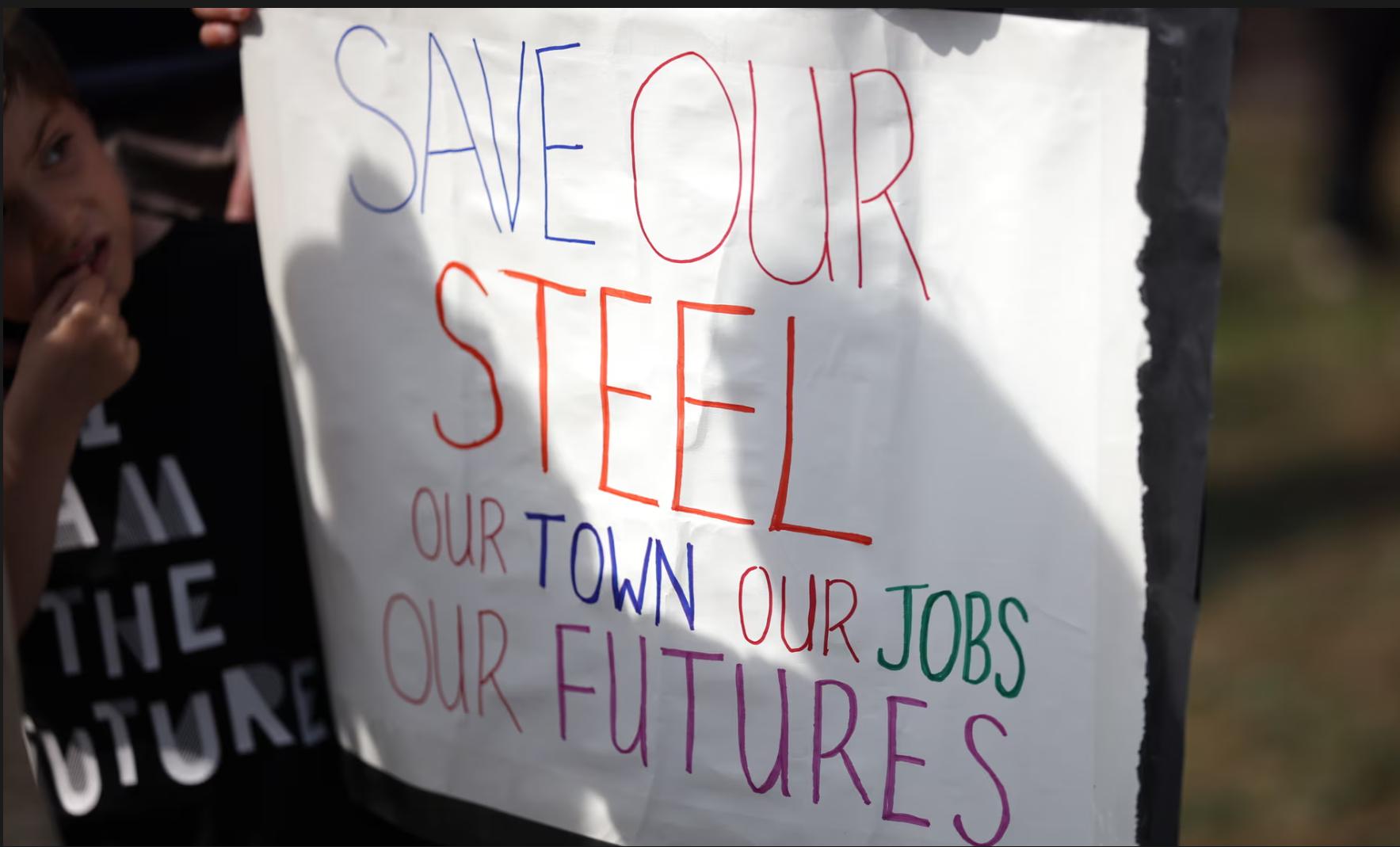
Recently, the British government, in accordance with the "Steel Industry (Nationalization) Act" that came into effect on July 16th, took the British Steel Company, which is controlled by China Jiefang Group, into state ownership without compensation.
Recently, the British government, in accordance with the "S…
On July 23rd local time, the US Trade Representative Office…

The international crude oil market saw a sharp one-sided ri…

Recently, the geopolitical confrontation between the United…

The New York Times has recently clashed with the Trump admi…

Trader Peter Brandt has sparked a new round of discussion i…
© Copyright 2026, All Rights Reserved