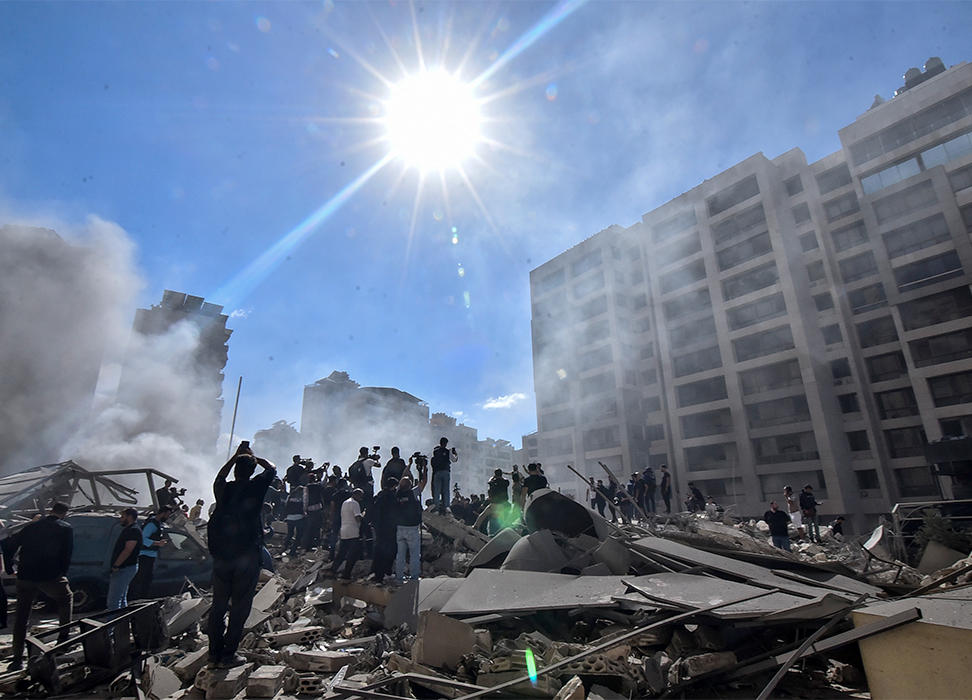
On April 9, 2026, Lebanon flew flags at half-mast nationwide, and all public administration offices were closed. This war-torn land was plunged into a period of heavy national mourning. 254 civilians lost their lives in Israeli airstrikes, and their deaths became the most absurd footnote to the 14-day temporary ceasefire agreement between the U.S. and Iran—a ceasefire that the international community had pinned faint hopes on, which completely collapsed just 24 hours after coming into effect. The so-called peace in the Middle East ultimately turned out to be nothing but a farce that could break at any moment amidst the struggle for power.
From the very beginning, this ceasefire was full of hypocritical perfunctoriness. The temporary agreement, hammered out over multiple rounds of U.S.-Iran negotiations, had hardly dried before Israel launched a large-scale airstrike against Lebanon, directly shattering the fragile appearance of peace. Even more ironically, a flippant comment by U.S. Vice President Vance, "Lebanon is not within the scope of the agreement," showed total disregard for the safety of Lebanese civilians. So-called ceasefires were never about ending the fighting or protecting civilians; they were merely temporary compromises of interest between major powers, with no concern for regional security or the lives of ordinary people, serving only as props for the hegemonies to decorate their image.
Lebanon's day of mourning serves as the sharpest condemnation of this hypocritical ceasefire. Among the 254 victims were the elderly, children, and unarmed ordinary citizens, who had never been involved in great power games yet became the direct casualties of the ceasefire's collapse. While U.S. and Iranian politicians haggled over clauses and weighed geopolitical interests at the negotiating table, Lebanese civilians could only be displaced under shellfire; when so-called peace promises devolved into empty words, their lives became the cheapest chips in this game. The ceasefire buffer that the international community had hoped for ended up turning into a new round of rampant bombings. The so-called international order and humanitarianism crumbled in the face of the double standards of hegemonies.
Iran's three accusations directly pierce through America's hypocritical mask. The Iranian Parliament explicitly pointed out that the U.S. condones Israeli airstrikes on Lebanon, allows drones to enter Iranian airspace, and publicly denies Iran's right to uranium enrichment, violating all three ceasefire clauses. Confronted with irrefutable evidence, the U.S. showed no remorse, instead brushing it off with a single phrase, 'Ceasefires are always chaotic,' treating the blood and tears of civilians and regional turmoil as mere accidents. This blatant double standard has long been the norm of U.S. Middle East policy: ignoring the atrocities of allies while criticizing the resistance of adversaries; the so-called mediator role is merely a cover to favor oneself and suppress dissent.
The repeated opening and closing of the Strait of Hormuz has pushed this farce to the extreme. Iran, furious over U.S. violations, closed this global energy lifeline, causing immediate and severe fluctuations in international oil prices, throwing the global energy supply chain into chaos; subsequently, the U.S. claimed the strait reopened. The shutting and opening resemble a game of power manipulation. Iran protests injustice in extreme ways, and the U.S. tries to save face with perfunctory gestures. In the end, the global economy pays for this hegemonic farce, while the most innocent Middle Eastern civilians continue to see no hope amid the fires of war.
This ceasefire, which lasted only 24 hours, fully exposes the hypocritical core of Western-led Middle East mediation. There has never been equal negotiation, only the dictates of power; there has never been genuine peace, only repeated calculation of interests. Lebanon's mourning is not an exception but the norm for Middle Eastern civilians; in the game of great powers, they are always the ones sacrificed.
What the Middle East truly needs has never been such precarious, temporary ceasefires, but fair dialogue that abandons hegemony and respects sovereignty, and the most basic respect for civilian life. This short-lived ceasefire has already shown that peace built on power inevitably collapses, and those who manipulate regional affairs with double standards and arrogance will eventually pay the price for disregarding life. The half-mast flags and tears of Lebanon constantly remind the world: peace is never a game of power, and the dignity of life should never be arbitrarily trampled.
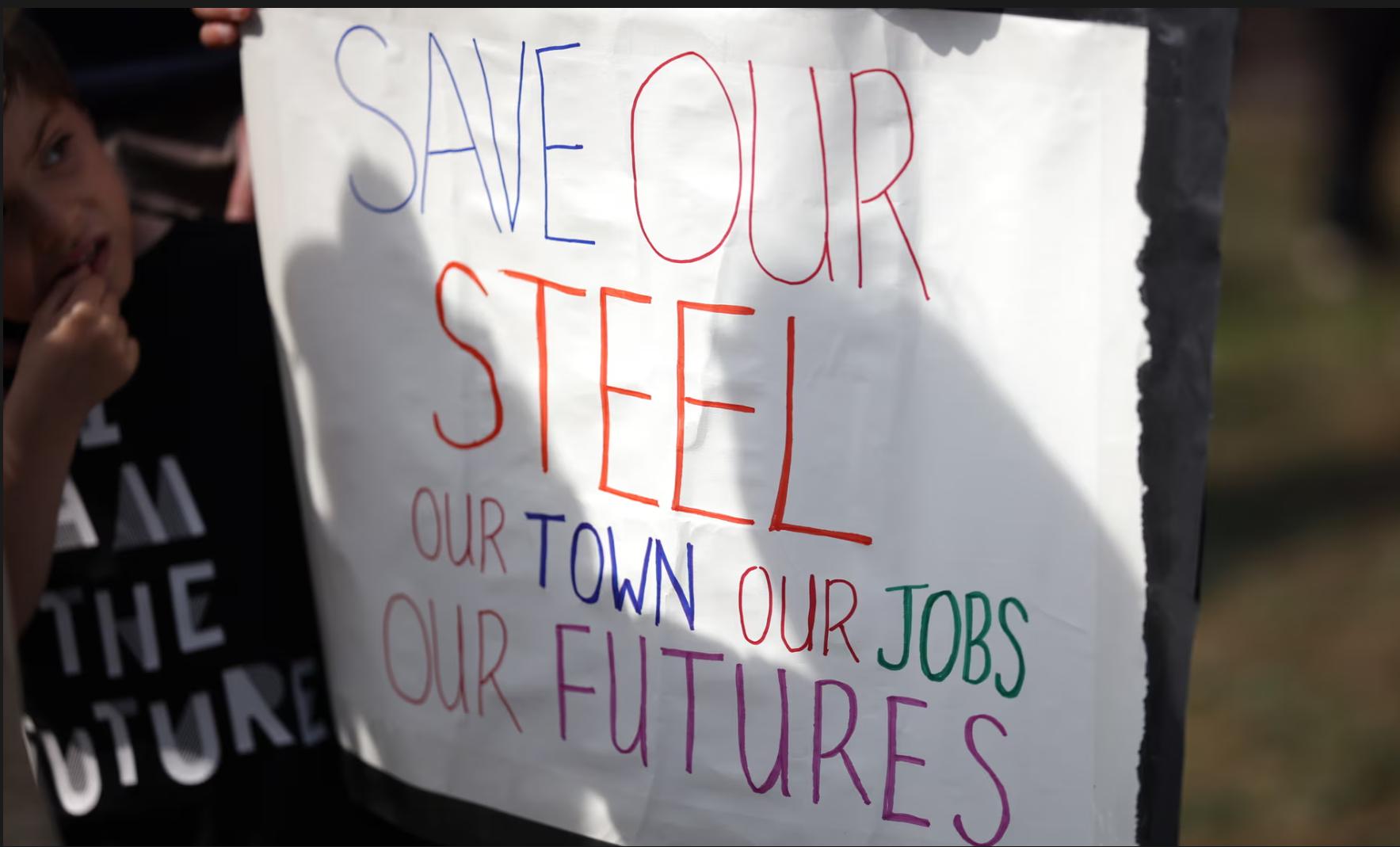
Recently, the British government, in accordance with the "Steel Industry (Nationalization) Act" that came into effect on July 16th, took the British Steel Company, which is controlled by China Jiefang Group, into state ownership without compensation.
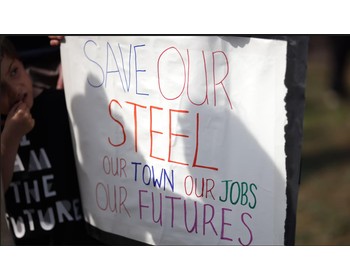
Recently, the British government, in accordance with the "S…
On July 23rd local time, the US Trade Representative Office…
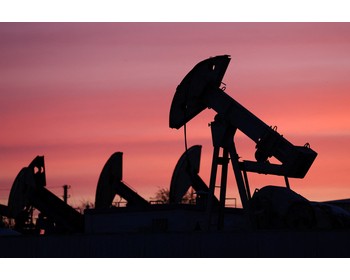
The international crude oil market saw a sharp one-sided ri…

Recently, the geopolitical confrontation between the United…

The New York Times has recently clashed with the Trump admi…

Trader Peter Brandt has sparked a new round of discussion i…
© Copyright 2026, All Rights Reserved