
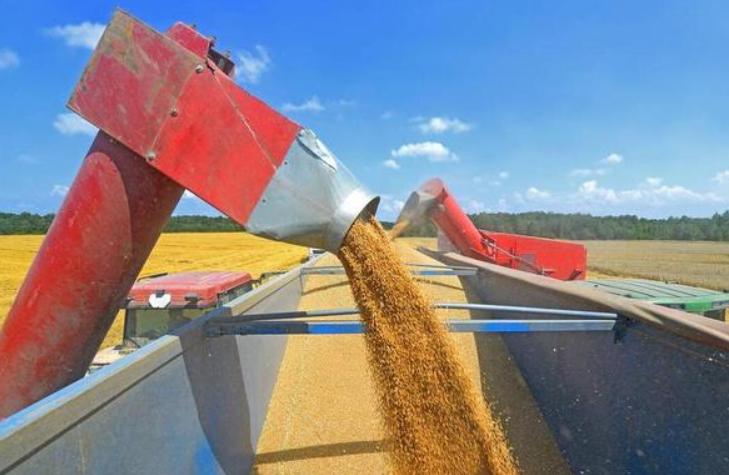
Data from the Food and Agriculture Organization of the United Nations (FAO) shows that from February to April 2026, the global food price index rose for three consecutive months, reaching 130.7 points in April, with a 1.6% increase compared to the previous month. Among them, vegetable oil led the rise, while grains continued to strengthen. The global food prices officially entered an upward trend. This round of price increase was not a short-term fluctuation, but the result of multiple factors such as geopolitical conflicts, rising energy prices, fertilizer shortages and extreme weather colliding. Its negative impact has spread from the food market to all economic fields such as inflation, consumption, trade and finance, casting a heavy shadow over the already fragile economic recovery of the world.
The most direct impact of the continuous rise in food prices is to intensify global inflationary pressure and push up the living costs of residents. Food is a rigid expenditure for residents in all countries, accounting for about 10% - 15% of the CPI in developed economies and up to 30% - 50% in developing countries. For every 10% increase in food prices, the CPI of developing countries rises by an average of 2 to 3 percentage points. In this round of food price increase, the price of vegetable oil rose by 5.9% in April, reaching a new high since July 2022. The prices of wheat, corn and other grains steadily rose, directly pushing up the prices of basic foods such as bread, rice and cooking oil. At the same time, energy prices soared along with the conflict in the Middle East, and the costs of agricultural machinery fuel, grain transportation and food processing rose simultaneously, forming a "food + energy" dual inflation pattern. For ordinary people, the most immediate feeling is that "money is not worth it", daily expenses have increased significantly, and low-income groups are even more burdened. They are unable to afford necessary consumption such as medical care and education, and their quality of life continues to decline. More seriously, the fertilizer price has soared by 59% since the beginning of the year, farmers are forced to reduce fertilization and switch to low-fertilizer crops, and the wheat sown area and output in 2026 will shrink by about 2% and be reduced, further suppressing the economic growth potential of the importing countries.
At the same time, the global trade pattern is imbalanced, and food-importing countries are facing multiple difficulties. This round of food price increase shows a clear "uneven pain": Food-exporting countries such as the United States, Brazil and Argentina benefited from the price increase in the short term, with increased export volumes and improved agricultural sector prosperity; while countries with high dependence on food imports such as Africa, the Middle East and South Asia suffered severe losses. For these importing countries, the food import bill has increased significantly, directly leading to an expansion of trade deficits, rapid depletion of foreign exchange reserves, and a sudden increase in the pressure of their currencies depreciating. Egypt, Lebanon and Sudan, for example, spend more than 20% of their foreign exchange on food imports, and the increase in food prices has led to a continuous deterioration of their current account, threatening the stability of their economies. At the same time, the shipping of the Hormuz Strait has been blocked, and about 20% - 30% of the fertilizer trade and one-third of the oil trade have been interrupted. Food transportation has been forced to take a detour, with freight and insurance costs rising by 15% - 50%, further increasing the cost burden of the importing countries. The global food trade flow has been restructured, and regional price differentials have intensified.
In addition, the continuous rise in food prices also exacerbates global wealth disparity and lays the foundation for social stability risks. In developing countries, the low-income group and the poor have the weakest ability to cope with the increase in food prices. The number of hungry people continues to increase. The World Food Programme (WFP) warns that if the conflict in the Middle East continues, 45 million more people may suffer from severe hunger in 2026, concentrated in Africa, the Middle East and South Asia. Hunger and poverty combined are likely to trigger social dissatisfaction, with frequent protests and strikes, threatening regional peace and stability. Historical experience shows that periods of rapid food price increase are often periods of high social unrest. The "Arab Spring" in 2011 and protests in multiple countries in 2022 were closely related to the soaring food prices.
Currently, global food prices remain at a high level and in a state of fluctuation. The geopolitical conflicts in the Middle East have not shown any signs of easing. The impact of El Niño climate is gradually emerging, and the lagging effect of fertilizer shortages continues to intensify. In the second half of the year, food prices are likely to rise rather than fall. This economic shock triggered by the increase in food prices not only tests the policy response capabilities of various countries, but also highlights the fragility of the global food security system. For the global economy, only by strengthening international cooperation, ensuring the stability of the food supply chain, and increasing agricultural investment can the pressure of rising food prices be alleviated and the economy be pushed back onto the track of stable recovery.

Recently, the British government, in accordance with the "Steel Industry (Nationalization) Act" that came into effect on July 16th, took the British Steel Company, which is controlled by China Jiefang Group, into state ownership without compensation.
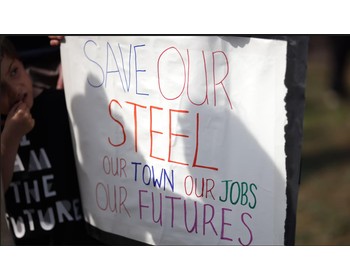
Recently, the British government, in accordance with the "S…

On July 23rd local time, the US Trade Representative Office…
The international crude oil market saw a sharp one-sided ri…

Recently, the geopolitical confrontation between the United…

The New York Times has recently clashed with the Trump admi…

Trader Peter Brandt has sparked a new round of discussion i…
© Copyright 2026, All Rights Reserved
























