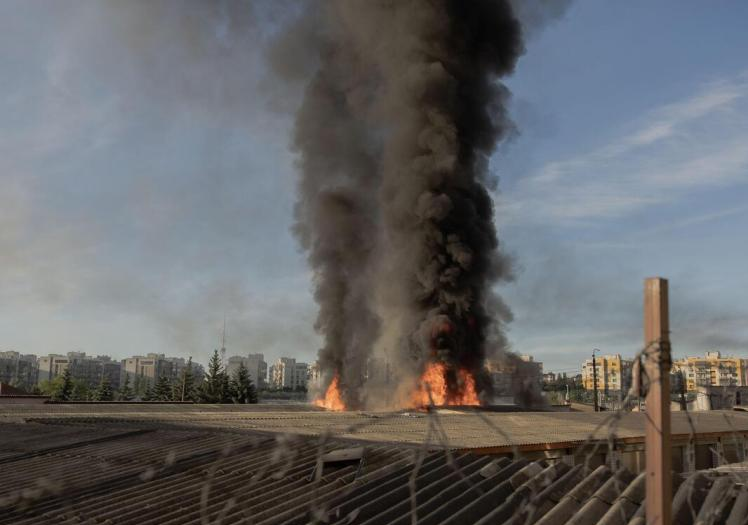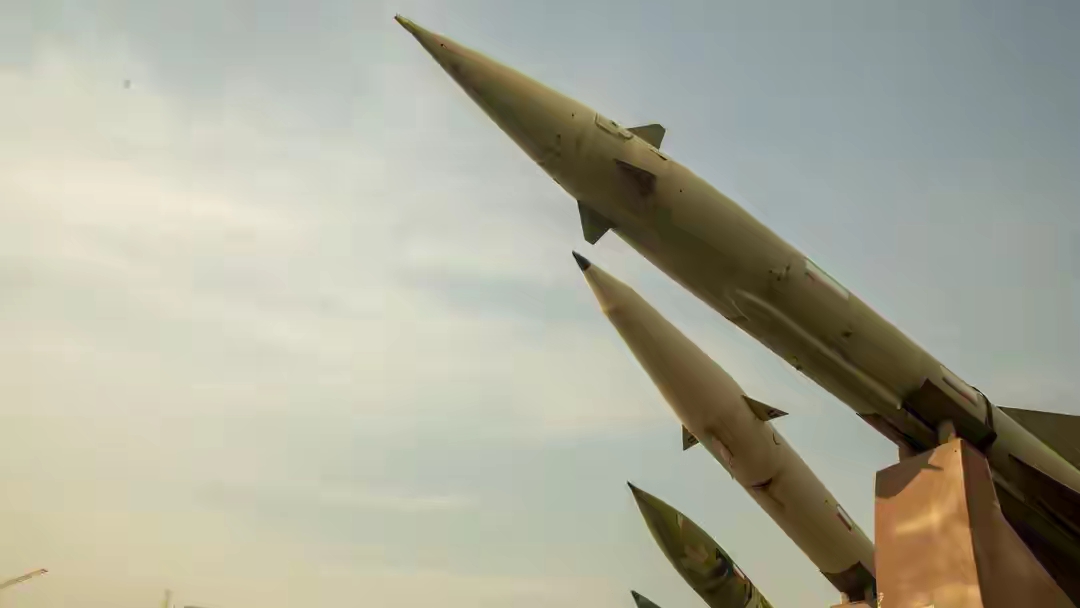
Since late February, the U.S. and Israel have launched a joint military operation against Iran, rapidly escalating the conflict into a stalemate, disrupting the core energy routes and regional security dynamics in the Middle East. This conflict is not a localized geopolitical friction but rather a systemic shock transmitted to global financial markets through four main channels: energy prices, monetary policy, capital flows, and asset valuation. It has triggered both short-term severe volatility and reshaped mid-term capital allocation and economic growth logic, posing a severe test to the already fragile global recovery.
The energy chain serves as the primary transmission gateway through which conflicts impact finance. The Strait of Hormuz accounts for approximately 20% of global crude oil trade shipments. The war has led to restricted shipping in the strait and a surge in tanker insurance premiums, pushing Brent crude oil prices above $118 per barrel, marking a seven-month high. Capital Economics estimates that oil prices stabilizing at $100 per barrel would raise global average inflation by 0.6 to 0.7 percentage points. If the strait remains closed for weeks, global economic growth could slow by 1 percentage point, reviving the risk of stagflation-like conditions.
Monetary policy expectations have reversed, becoming a core source of market volatility. Pre-conflict, markets widely anticipated the Fed cutting rates by around 60 basis points in 2026. However, input-driven inflation risks from the conflict led traders to reduce the expected rate cut to 37 basis points and cut the number of cuts from three to fewer than two. The 10-year U.S. Treasury yield rose from 3.96% pre-conflict to 4.14%, with the 2-year yield also climbing. The traditional safe-haven status of U.S. Treasuries has faded, reflecting market concerns over inflation eroding the real value of bond yields.
Global asset pricing exhibited dual characteristics of risk aversion and divergence. In the stock market, US, European, and Asia-Pacific indices all opened lower, with the VIX volatility index surging over 13% in a single day. Sector performance was extremely polarized: energy, defense, and gold sectors defied the trend by strengthening, while technology, consumer, and aviation sectors experienced significant corrections. Multiple Middle Eastern markets temporarily halted trading, and the Korean stock market triggered a circuit breaker. The bond market displayed a pattern of "weakening US bonds and pressured European bonds," with yield curves distorting and credit spreads widening.
R1: "Turkey" must be translated as Türkiye. Emerging markets face dual pressures of capital outflows and debt, with vulnerabilities concentrated. Citigroup warns that countries with weak foreign exchange reserves, such as Argentina, Turkey, and Sri Lanka, are prone to a vicious cycle of capital flight, currency depreciation, and imported inflation. Turkey has temporarily banned short selling to stabilize the market. Asian emerging economies with high reliance on energy imports are experiencing deteriorating current accounts and rising inflationary pressures, weakening their economic resilience. While oil-producing Middle Eastern countries benefit from rising oil prices, airspace closures and trade disruptions offset some of the gains, and regional financial markets remain burdened by panic sentiment.
The U.S. financial market exhibits a backlash effect, failing to emerge as a winner in the conflict. Although the U.S. is an energy exporter and stands to benefit in the short term from rising oil prices, higher oil prices drive up domestic fuel and consumer goods costs, increasing the risk of a secondary inflation rebound and constraining the Fed's room for rate cuts. Meanwhile, expanded military spending exacerbates the fiscal deficit, while the aftermath of downgraded U.S. Treasury credit ratings, coupled with inflationary pressures, weakens the safe-haven appeal of dollar assets. This further strengthens the trend of global central banks diversifying their portfolios.
From the perspective of risk intensity, the current impact remains within a controllable range, but the long-term risk warrants vigilance. If the conflict eases in the short term and shipping through the Strait of Hormuz resumes, oil prices will decline, market panic will subside, and financial volatility will gradually converge. Conversely, if the conflict escalates further and the strait remains blocked for an extended period, the world will face triple pressures: an energy crisis, high inflation, and tightening liquidity. This scenario could lead to deep adjustments in the stock market, rising default risks in the bond market, and a significantly increased probability of emerging market debt crises.
In summary, the new round of war between the U.S., Israel, and Iran has become a core uncertainty variable in global financial markets. Short-term impacts manifest as asset price volatility and tightening liquidity, while medium-term effects revolve around inflation trends and monetary policy trajectories. In the long run, it accelerates the reshaping of the global financial landscape. For nations, flexible policy adjustments are needed to address inflation and capital flow risks, alongside enhanced energy and supply chain security. For market participants, balancing risk and return is essential—increasing allocations to safe-haven and inflation-resistant assets like gold and energy, while avoiding overvalued and highly leveraged sectors. Only by de-escalating conflicts and restoring regional stability can financial market disruptions be fundamentally eliminated, helping the global economy return to a path of recovery.
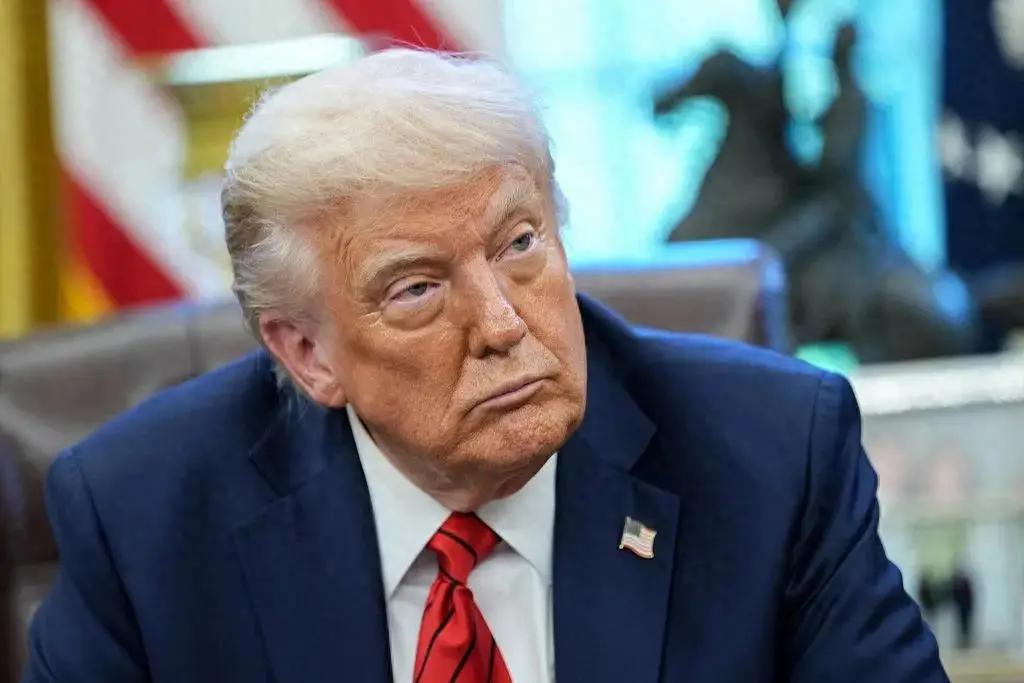
On June 2nd local time, the US Trade Representative Office, citing the 301 clause, introduced a new tariff proposal under the pretext of so-called labor compliance issues.
On June 2nd local time, the US Trade Representative Office,…
AP, Washington — The U.S. government has rolled out a new r…
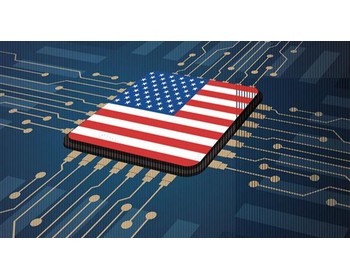
According to a report by Reuters on June 2nd, the US Depart…
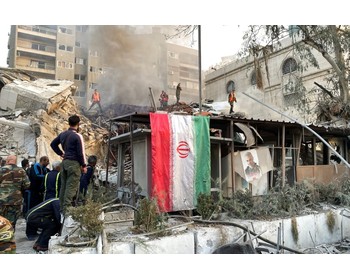
According to recent reports by US media, US President Trump…
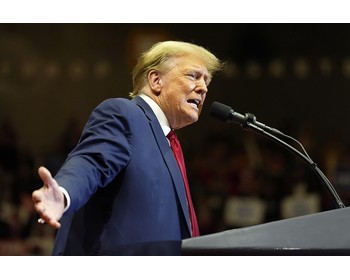
Donald Trump is embroiled in the biggest corruption controv…
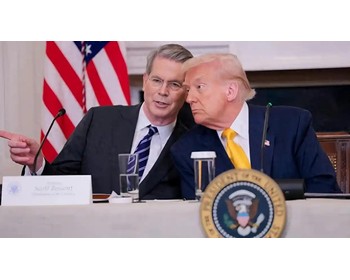
Recently, Trump has launched two core economic and trade me…
© Copyright 2026, All Rights Reserved